
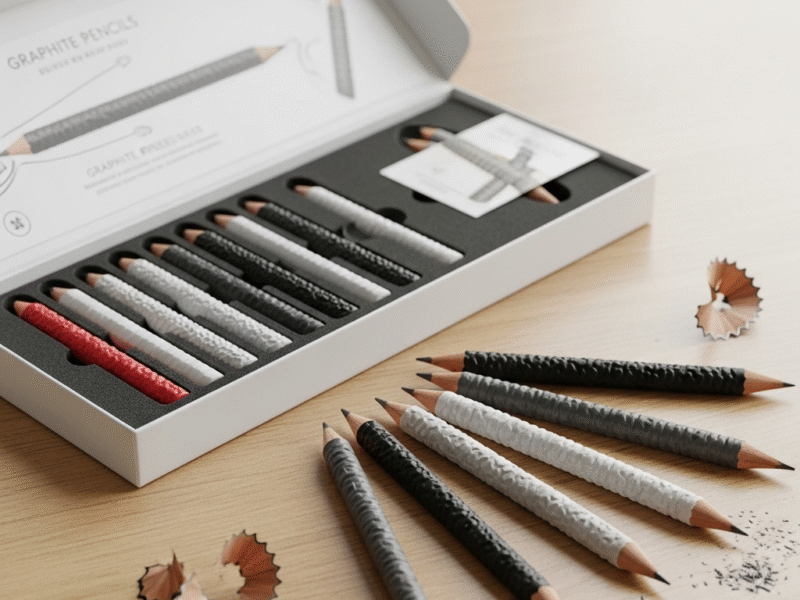
The humble pencil has remained a staple of human communication for centuries, yet its design is far from static. While the core functionality—depositing carbon on paper—remains the same, the interface between the tool and the human hand has seen significant innovation. Professionals, educators, and artists are increasingly moving away from the standard hexagonal wooden shaft in favor of graphite pencils with custom grip options. This shift is not merely an aesthetic choice; it is a response to the physiological demands of prolonged writing and the need for precision in technical and artistic applications.
Understanding why a custom grip is a superior choice requires a look at both ergonomics and material science. When we hold a standard pencil, our fingers often exert excessive pressure to maintain stability, especially if the surface is slick or the diameter is too narrow for our hand size. Over time, this leads to muscle fatigue, known colloquially as “writer’s cramp,” but known medically as focal dystonia in extreme cases. By integrating a specialized grip, manufacturers can redistribute this pressure, allowing for a lighter touch and more fluid movement across the page.
The Ergonomic Science of Hand Health
The human hand is a complex arrangement of tendons, nerves, and small muscles. When using graphite pencils with custom grip designs, the primary goal is to maintain the “neutral zone” of the wrist and fingers. A standard thin pencil forces the hand into a tight “pinch” grip, which compresses the median nerve and puts strain on the first dorsal interosseous muscle.
Custom grips often feature a triangular or contoured shape. This is not accidental. The triangular profile naturally guides the fingers into the functional “tripod grip,” which is widely considered by occupational therapists to be the most efficient and least taxing way to hold a writing instrument. For further reading on the importance of hand health in repetitive tasks, you may consult the Mayo Clinic’s guide on repetitive strain. By reducing the force required to hold the pencil, users can write for longer periods without the onset of tremors or discomfort.
Manufacturing Excellence: Material Choices for Custom Grips
From an OEM (Original Equipment Manufacturer) perspective, the production of graphite pencils with custom grip elements involves sophisticated material selection. Traditionally, pencils were just wood and graphite. Today, we see the integration of Thermoplastic Elastomers (TPE), silicone, and high-density foams.
TPE is particularly popular in the stationery industry because it offers a “soft-touch” feel while remaining durable and resistant to skin oils. Unlike cheaper rubbers, high-quality TPE does not become “sticky” over time. For high-end artistic pencils, manufacturers might use a knurled metal grip or a textured lacquer that provides friction without the bulk of a rubber sleeve. This level of customization allows the user to choose a tool that matches the specific humidity of their environment and the natural oiliness of their skin, ensuring the pencil never slips during a critical stroke.
Enhancing Artistic Precision and Control
For the professional artist, the pencil is an extension of the nervous system. The feedback provided by the paper through the pencil is essential for shading, hatching, and fine-line work. Many artists find that graphite pencils with custom grip features allow for a more nuanced “overhand” grip. When a grip is designed with a slight flare or a tacky texture, it provides a pivot point that enables the artist to swing the pencil from the shoulder or elbow rather than just the wrist.
This mechanical advantage is crucial when working on large-scale charcoal or graphite drawings. A custom grip provides a consistent tactile reference point. When your fingers always land in the same specialized grooves, your muscle memory develops faster. This consistency is why many professional illustrators refuse to switch brands once they have found a grip profile that suits their anatomy. You can learn more about the technical evolution of drawing tools via The Smithsonian’s collection of writing instruments.
Comparison: Standard Pencils vs. Custom Grip Pencils
| Feature | Standard Graphite Pencil | Custom Grip Graphite Pencil |
|---|---|---|
| Pressure Distribution | Concentrated on fingertips; high strain. | Distributed across a larger surface area; low strain. |
| Grip Stability | Prone to slipping, especially with sweat. | Enhanced friction through textures or materials. |
| Ergonomic Support | Minimal; relies on user’s hand strength. | Active correction of finger placement (tripod grip). |
| Long-term Comfort | High risk of fatigue and cramping. | Designed for multi-hour usage and comfort. |
| Versatility | Generic; one size fits all. | Available in various sizes (Jumbo, Mini, Contoured). |
Educational Advantages for Early Learners
In the world of pedagogy, the transition from “fist grip” to “tripod grip” is a major developmental milestone for children. Educators often recommend graphite pencils with custom grip zones for students who struggle with fine motor skills. A pencil that feels “comfortable” reduces the frustration associated with learning to write.
When a child doesn’t have to fight against a slippery pencil, they can focus their cognitive energy on letter formation and spelling. Furthermore, “Jumbo” pencils with built-in ergonomic grips are specifically designed for smaller hands that haven’t yet developed the muscular maturity for standard-diameter tools. This early intervention can prevent the development of poor writing habits that lead to chronic hand pain in adulthood.
The B2B Perspective: Custom Branding and Functionality
For businesses and stationery brands, offering graphite pencils with custom grip options is a powerful way to differentiate in a crowded market. Customization isn’t just about the logo on the barrel; it’s about the physical experience of the product. High-quality grips can be color-coded to indicate graphite hardness (e.g., a blue grip for 2B, a red grip for HB), which adds a layer of functional utility for architects and engineers who frequently switch between different grades of lead.
From a supply chain and manufacturing standpoint, the “co-molding” process allows the grip to be an integral part of the pencil rather than a slide-on accessory. This ensures that the grip won’t slide off or rotate during use, a common complaint with cheap, aftermarket pencil cushions. For companies looking to source these products, understanding the bond between the wood (usually incense cedar or basswood) and the grip material is key to ensuring product longevity.
Sustainability in Modern Pencil Design
A common concern with graphite pencils with custom grip additions is the environmental impact of using synthetic materials like plastic or rubber. However, the industry is pivoting toward sustainability. Many high-end manufacturers are now utilizing bio-based plastics or natural latex-free rubbers that are biodegradable.
Furthermore, because a pencil with a high-quality grip is seen as a “premium tool” rather than a disposable commodity, users are less likely to waste them. When the tactile experience is superior, the user tends to use the pencil down to the very last inch, often utilizing a pencil extender to maintain the ergonomic benefit. The marriage of traditional wood and modern eco-elastomers represents the future of sustainable stationery. For more on the standards of sustainable forestry in pencil making, see the Forest Stewardship Council (FSC) website.
Technical Drawing and the Need for Stability
In fields like drafting and cartography, where a deviation of a millimeter can result in significant errors, the stability of the writing tool is paramount. Using graphite pencils with custom grip textures allows for microscopic adjustments in pressure. When drawing a technical line, the user needs to rotate the pencil slightly to keep the graphite point sharp and even.
A well-designed custom grip provides the necessary “purchase” for the fingers to execute this rotation smoothly. In contrast, a smooth, round pencil often slips during the rotation, resulting in an uneven line weight. This is why many mechanical pencils, the cousins of the wooden pencil, feature heavy knurling; the wooden pencil industry has adopted this logic by creating textured grip zones that offer the same level of professional-grade control.
Psychological Impact of Tactile Comfort
There is a psychological component to writing that is often overlooked. The “haptic feedback” of a tool influences our creative flow. When a tool feels “right” in the hand, the barrier between the mind and the page thins. graphite pencils with custom grip designs contribute to what psychologists call a “flow state.”
If you are constantly adjusting your hand or shaking out a cramp, you are being pulled out of your creative or analytical process. A soft, supportive grip provides a sense of comfort that can actually reduce the stress associated with difficult tasks, such as taking a high-stakes exam or sketching a complex portrait. The “feel-good” factor of a premium stationery item should never be underestimated in its ability to boost productivity.
Choosing the Right Grip for Your Needs
When making a purchase decision, it is important to identify your specific pain points. Are your hands large? You might need a “Jumbo” graphite pencils with custom grip profile. Do you suffer from hypermobility in your joints? A firm, triangular grip will provide the external stability your fingers lack.
For those who write in high-pressure environments, such as journalists or students, a cushioned foam grip can absorb the tension of rapid note-taking. Conversely, for detailed graphite art, a thinner, textured “non-slip” zone is often preferable to a bulky cushion, as it maintains the center of gravity closer to the lead for better balance.
Ultimately, the choice to move toward graphite pencils with custom grip technology is a commitment to both performance and physical well-being. By selecting a tool that respects the anatomy of the hand, users can transform the act of writing from a potential chore into a seamless, comfortable, and highly precise experience. Whether you are a student, a professional artist, or a corporate buyer, the benefits of ergonomic design are clear: better control, less pain, and a more professional result.
Related Reading
- Mini Graphite Pencils for Effective Promotional Marketing
- Custom Packaging for Graphite Pencils: Boost Your Brand
- Custom Length Graphite Pencils for Your Branding Needs
- Graphite Pencils with Eraser Top: Best Options Reviewed
- Hexagon Graphite Pencils: A Retailer’s Buying Guide
- Custom Logo Graphite Pencils for Effective Branding
- OEM Graphite Pencils Supplier in Thailand for Retailers
- Top Graphite Pencils for US Retailers: A Guide