
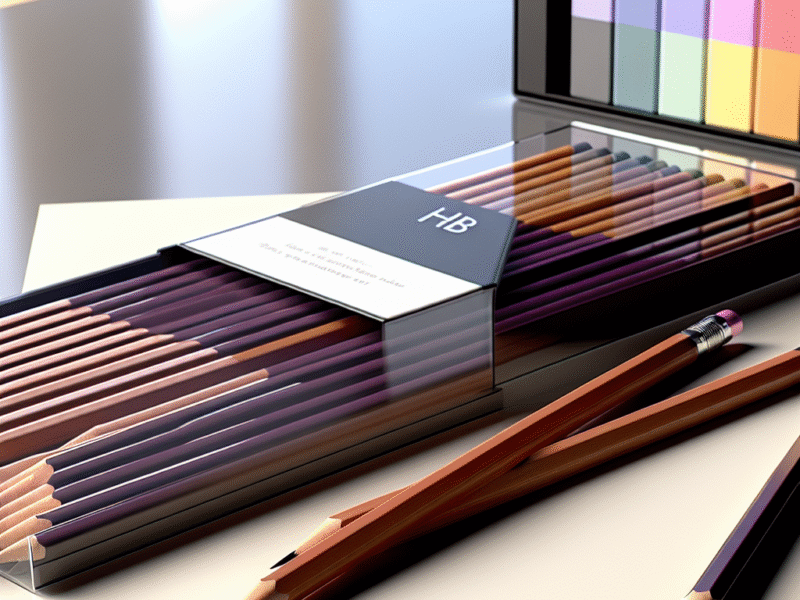
For art supply retailers in the United States, few product categories are as enduring and essential as graphite pencils. Whether catering to professional illustrators, design students, or everyday sketchers, graphite pencils remain a staple of creative expression and technical work. But with dozens of brands and quality levels on the market, selecting the right graphite pencils for your retail inventory can be a challenge. This guide breaks down the top-performing options, what sets them apart, and how retailers can make informed stocking decisions that align with artist expectations and market trends.
Why Graphite Pencils Still Matter in a Digital Age
Despite the rise of digital tools, demand for high-quality graphite pencils has remained steady—and even grown—within certain sectors. Artists, architects, and students continue to favor the tactile control and expressive range that only a pencil can offer. For retailers, this presents a unique opportunity: by curating a selection of top-tier graphite pencils, stores can meet the needs of discerning customers while differentiating themselves in a competitive market.
From soft leads ideal for shading to hard grades suited for technical drawing, graphite pencils offer an unmatched level of versatility. Retailers who understand these nuances are better equipped to serve their customers and build loyalty among artists and hobbyists alike.
Understanding Graphite Grades and Artist Preferences
Graphite pencils are graded on a scale from 9H (hardest) to 9B (softest), with HB sitting at the midpoint. The grade affects how dark the mark appears and how easily the lead glides across the paper. Artists often use a range of grades for different techniques—harder pencils for fine lines and details, softer ones for rich shading and expressive strokes.
Retailers should aim to stock a balanced selection across this spectrum, especially in multi-grade sets. Offering open stock options (individual pencils) is also a smart move, as professional artists often replenish specific grades rather than buying full sets repeatedly.
Top Graphite Pencil Brands Worth Stocking
Based on expert reviews and artist feedback, several brands consistently rise to the top in terms of performance, manufacturing quality, and brand loyalty. Below is a breakdown of the most recommended options for U.S. retailers to consider.
| Brand | Country of Origin | Grade Range | Key Features |
|---|---|---|---|
| Mitsubishi Hi-Uni | Japan | 10H–10B | Exceptional smoothness, consistent core, luxury packaging |
| Staedtler Mars Lumograph | Germany | 9H–8B | Break-resistant core, widely trusted in schools and studios |
| Caran d’Ache Grafwood | Switzerland | 4H–9B | High-density graphite, stylish design, color-coded barrels |
| Faber-Castell 9000 | Germany | 6H–8B | Eco-friendly wood, smooth laydown, excellent blending |
| Prismacolor Turquoise | USA | 9H–9B | Popular among students, affordable, reliable performance |
Spotlight on Top Performers
Let’s take a closer look at the pencils that have earned consistent praise from artists and reviewers.
Mitsubishi Hi-Uni is often cited as the gold standard for graphite pencils. According to The Art Gear Guide, Hi-Uni pencils offer unparalleled smoothness and consistency across the grade range. They are particularly favored by illustrators and fine artists who demand precision and luxurious feel. The elegant lacquered finish and sturdy construction also make them a premium option for gift sets or upscale art stores.
Staedtler Mars Lumograph is another top-tier choice, known for its durability and broad availability. These pencils are a staple in academic settings and professional studios alike. Their break-resistant leads and consistent graphite density make them ideal for both beginners and advanced users. Notably, Staedtler also offers a “Black” version with a higher carbon content for deeper, richer blacks—an excellent companion product for sketch artists.
Caran d’Ache Grafwood pencils combine Swiss precision with aesthetic flair. Each grade is color-coded, making it easy for artists to find the right pencil at a glance. The core is slightly denser than most, providing a velvety application that excels in tonal work. As noted in Toad Hollow Studio’s comparison guide, the Grafwood series is especially loved by portrait artists for its smooth transitions and deep blacks.
Balancing Quality and Price for Different Customer Segments
Not every customer is looking for the most luxurious pencil on the shelf. Retailers should consider offering a range of price points to cater to different buyer personas:
- Students and beginners often prioritize affordability. Brands like Prismacolor Turquoise and General’s Cedar Pointe offer solid performance at accessible prices.
- Hobbyists and intermediate artists may be willing to invest in mid-range options like Faber-Castell 9000 or Staedtler Mars Lumograph.
- Professional artists typically seek out premium brands such as Mitsubishi Hi-Uni or Caran d’Ache Grafwood for their superior performance and feel.
Offering both sets and open stock pencils across these tiers ensures that your retail space serves a broad audience without overwhelming inventory complexity.
OEM and Manufacturing Considerations
For retailers sourcing directly from manufacturers or private-labeling their own lines, understanding the supply chain is crucial. Most high-end graphite pencils are made in Japan, Germany, or Switzerland—regions known for precision manufacturing and strict quality controls. When evaluating OEM partners, consider the following:
- Wood sourcing: Sustainable cedar or basswood is preferred for its sharpenability and minimal splintering.
- Graphite formulation: A blend of graphite and clay determines the pencil’s hardness and smoothness. High-quality brands tightly control this ratio to ensure consistency.
- Bonding methods: Some manufacturers use SV (secure bonding) techniques to reduce breakage, especially in softer grades.
Retailers exploring private label options should request samples across the full grade spectrum and conduct field testing with artists before committing to large orders.
Packaging, Presentation, and Shelf Appeal
In retail environments, presentation matters. Premium brands often stand out due to their elegant packaging—metal tins, embossed logos, and color-coded barrels all contribute to a sense of quality. For example, the Mitsubishi Hi-Uni set comes in a velvet-lined case that appeals to collectors and gift buyers.
Retailers can enhance shelf appeal by organizing pencils by grade, offering swatch charts for comparison, and providing sample pads for customers to test products before purchase. This tactile experience can significantly increase conversion rates, especially in physical stores.
Trends and Consumer Insights
Recent years have seen a growing interest in mindfulness and analog creativity, which has boosted demand for traditional art supplies. Graphite pencils fit perfectly into this trend, offering a screen-free creative outlet that appeals to both new and seasoned users.
Additionally, environmentally conscious consumers are increasingly seeking products with sustainable materials and ethical sourcing. Brands like Faber-Castell have leaned into this demand by promoting their FSC-certified wood and eco-friendly manufacturing practices—important selling points for modern buyers.
Final Recommendations for Retailers
To maximize sell-through and customer satisfaction, U.S. retailers should consider the following strategies:
- Stock 3–5 top brands across price tiers
- Offer both sets and individual pencils
- Educate staff on grade differences and artist needs
- Highlight premium features in signage and online listings
- Stay updated on artist preferences through reviews and forums
By aligning your inventory with the expectations of artists and art educators, you position your store as a trusted destination for quality materials. Whether you operate a boutique art supply shop or a larger retail chain, understanding the nuances of graphite pencil quality and branding can elevate your product offering and build long-term customer loyalty.
For further industry insights and detailed product comparisons, see the reviews from Toad Hollow Studio and The Art Gear Guide.