
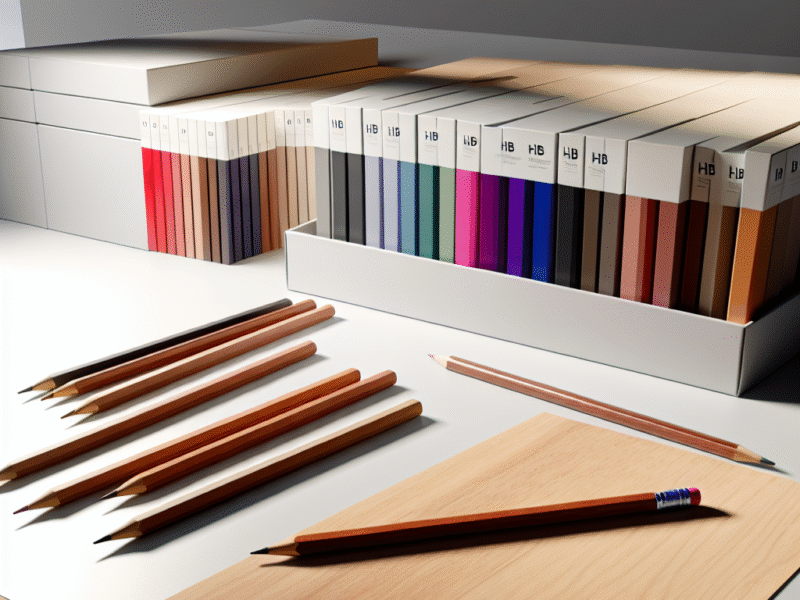
In the world of construction and woodworking, precision isn’t just a luxury—it’s a necessity. Whether you’re framing a house, cutting joinery, or installing cabinetry, the accuracy of your markings can make or break the final result. That’s where the humble carpenter pencil comes into play. But not just any pencil will do. Professionals need tools that can withstand harsh job site conditions, deliver consistent performance, and mark on a variety of surfaces. The search for durable carpenter pencils is more than a matter of preference—it’s about performance, reliability, and efficiency.
In this guide, we’ll explore what makes a carpenter pencil durable, how different grades and designs affect usability, and which models stand out in the field. If you’re looking to upgrade your marking tools or simply want to understand what sets professional-grade pencils apart, this comprehensive breakdown is for you.
Why Durability Matters in a Carpenter Pencil
Unlike standard pencils, carpenter pencils are engineered for tough environments. They must endure heavy use, resist snapping under pressure, and function reliably on uneven or rough surfaces. These pencils often face conditions that include:
- Exposure to moisture and temperature fluctuations
- Frequent drops or impacts on hard surfaces
- Use on abrasive materials like concrete and metal
- Extended periods in tool belts or pockets
Durability, in this context, refers to both the structural integrity of the pencil body and the resilience of the core (commonly referred to as the lead). A pencil that breaks easily or wears down too quickly can disrupt workflow, waste time, and compromise accuracy.
Core Design: The Signature Shape That Works
One of the defining features of a carpenter pencil is its flat, rectangular body. This design serves several practical purposes. First, it prevents the pencil from rolling off uneven surfaces—a small but significant advantage on sloped roofs or cluttered workbenches. Second, the broader surface allows for more controlled grip and better leverage when marking.
According to Wikipedia’s overview, this unique shape also supports quick fractional markings, such as 1/4″ or 1/2″, which are commonly used in carpentry. The wide lead can be shaped into a chisel tip, offering both fine and broad strokes depending on the angle of use. This versatility makes the carpenter pencil a staple in every tradesperson’s toolkit.
Material Matters: Wood vs. Composite Bodies
The body material of the pencil plays a significant role in its durability. Traditional carpenter pencils are made from high-quality woods like cedar, which is valued for its strength, straight grain, and ease of sharpening. Cedar also resists splitting, ensuring the pencil stays intact even after repeated sharpening or pressure.
However, some modern pencils opt for composite or plastic casings. These materials offer increased resistance to moisture and impact, making them ideal for outdoor or high-humidity environments. While purists may prefer the tactile feel of wood, composite models often provide better longevity in extreme conditions.
Understanding Lead Hardness and Its Impact
Lead hardness significantly affects how a pencil performs on different surfaces. The grading system ranges from soft (B) to hard (H), with HB sitting in the middle. Softer leads (e.g., 2B, 3B) produce darker lines but wear down quickly and require frequent sharpening. Harder leads (e.g., 2H, 3H) last longer and provide finer lines but can be less visible on rough materials.
Insights from seasoned woodworkers on Woodworking Masterclasses suggest that the ideal grade depends on the task at hand. For example:
- 2H or 3H: Best for fine joinery or layout work where precision is key.
- HB: A balanced choice for general-purpose marking.
- 2B: Ideal for rough lumber or dark surfaces where visibility is crucial.
Professionals often carry multiple pencils with varying lead grades to adapt to different marking needs throughout the day.
Top Picks: Durable Carpenter Pencils That Professionals Trust
Let’s take a closer look at some of the most respected carpenter pencils on the market. These models have earned their reputation through consistent performance, rugged construction, and thoughtful design.
| Brand | Key Features | Best For |
|---|---|---|
| Pica Dry Pencil | Waterproof casing, replaceable lead, marks on wood, metal, and concrete | Outdoor and multi-surface use |
| Staedtler Carpenter Pencil | High-density wood, break-resistant lead, ergonomic grip | Precision layout work |
| Dixon Industrial Carpenter Pencil | Traditional cedar body, medium-hard lead, smooth sharpening | General carpentry |
| Irwin Strait-Line | Durable construction, thick core for heavy-duty marking | Framing and rough carpentry |
| Lyra Dry Profi | Automatic feed, refillable, writes on wet surfaces | Plumbers and outdoor contractors |
Pica Dry Pencil: A Case Study in Durability
Among the most praised options is the Pica Dry Pencil, which stands out for its innovative construction and versatility. As highlighted in TF Tools’ product review, the Pica Dry is engineered for job site resilience. It features a waterproof casing, a built-in sharpener in the cap, and a robust clip that attaches securely to tool belts or pockets.
What truly sets it apart is its refillable lead system. Users can choose from a range of lead types—graphite, colored, or even water-soluble—for marking on everything from timber to tile. The lead is protected inside a mechanical housing, reducing breakage and extending the pencil’s lifespan. For professionals working in variable conditions, the Pica Dry offers unmatched adaptability and reliability.
Sharpening Techniques: Get the Most from Your Pencil
Durability isn’t just about how long a pencil lasts—it’s also about how well it performs over time. Proper sharpening is critical. Most carpenter pencils are too thick for standard pencil sharpeners, so tradespeople often use utility knives to shape the tip into a chisel point. This allows for both fine and broad strokes, depending on the angle of application.
Some brands, like Pica and Lyra, include integrated sharpeners in the pencil cap, offering a more convenient solution. Regardless of method, maintaining a sharp, clean tip is essential for accurate marking.
Tips for Choosing the Right Pencil for Your Trade
Different trades have different marking needs. Here’s a quick guide to help you choose the most durable carpenter pencil based on your profession:
- Framers: Opt for thick, hard leads that resist breakage and stay visible on rough lumber.
- Cabinetmakers: Choose fine-point pencils with medium to hard lead for clean, precise lines.
- Electricians & Plumbers: Use mechanical pencils like Pica Dry that can mark on metal, plastic, and wet surfaces.
- Roofers: Look for weather-resistant casings and bright-colored leads for high-visibility marking.
Environmental and Supply Chain Considerations
As sustainability becomes increasingly important in manufacturing, some pencil brands are shifting toward responsibly sourced wood and recyclable packaging. Cedar, while prized for its quality, is also a limited resource. Look for certifications like FSC (Forest Stewardship Council) to ensure your tools are environmentally responsible.
From a supply chain perspective, durable carpenter pencils that use refillable cores or modular components (like the Pica Dry) also reduce waste and lower long-term costs. These innovations are particularly valuable for companies managing large crews or outfitting multiple job sites.
Final Thoughts: Investing in Quality Pays Off
In the fast-paced world of construction, every tool in your belt should pull its weight. A high-quality, durable carpenter pencil may seem like a small detail, but it can significantly impact your workflow and end results. By choosing the right pencil—one that matches your trade, work conditions, and marking needs—you’re investing in accuracy, efficiency, and professional-grade craftsmanship.
Whether you prefer the traditional feel of a cedar pencil or the high-tech versatility of a mechanical model, the key is to prioritize durability, usability, and adaptability. With the right pencil in hand, every cut, measurement, and layout becomes a little more precise—and a lot more professional.