
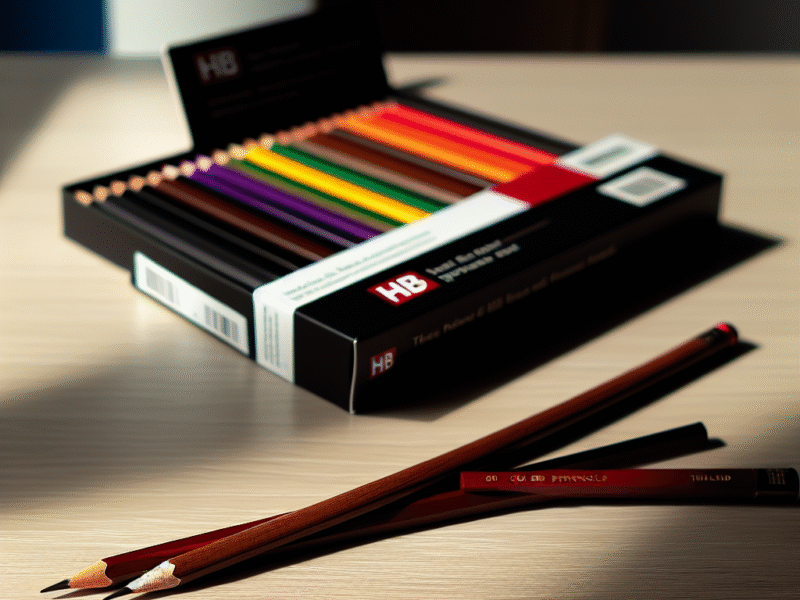
The pencil industry in Thailand, though often overlooked, plays a significant role in the country’s manufacturing and export sectors. Whether you’re a local producer sourcing raw materials or an international supplier looking to enter the Thai market, understanding the import regulations is crucial. These regulations not only impact the movement of goods but also influence production timelines, compliance obligations, and overall business strategy.
In this guide, we delve deep into the import regulations that govern the Thai pencil industry. From customs procedures to safety standards and documentation requirements, this article provides a structured overview for manufacturers, importers, and stakeholders aiming to operate compliantly and efficiently in the Thai market.
Why Import Regulations Matter in Pencil Manufacturing
Thailand’s pencil industry relies heavily on imported raw materials such as cedarwood, graphite, clay, lacquer, and ferrules. These components are often sourced from countries with specialized production capabilities. Import regulations directly affect procurement costs, lead times, and product compliance.
Failing to understand or adhere to these regulations can result in costly delays, penalties, or even seizure of goods. On the other hand, a thorough understanding can streamline operations, reduce overhead, and improve market competitiveness.
Customs Procedures: The First Step to Legal Importation
Importing into Thailand involves several layers of customs procedures, as outlined by the Thai Customs Department. All importers must register with the Thai Customs Department and obtain an Importer Number. This number is essential for clearing goods through customs and is tied to the business’s tax ID.
Once registered, importers must submit the following documentation:
- Commercial Invoice
- Packing List
- Bill of Lading or Air Waybill
- Import Declaration Form
- Import License (if applicable)
- Certificates of Origin (for preferential tariff treatment)
These documents are typically submitted electronically via Thailand’s e-Customs system. Importers should be aware that any discrepancies between declared and actual goods can result in fines or shipment delays.
Licensing Requirements for Pencil Industry Materials
According to the U.S. Trade Administration, certain goods require import licenses issued by relevant Thai ministries. For the pencil industry, this particularly applies to:
- Wood and wood-based products (regulated under the Forest Act)
- Chemicals used in lacquers or coatings (regulated by the Ministry of Industry)
- Graphite and clay-based materials (if classified as industrial minerals)
Importers must check the Harmonized System (HS) code of each product to determine if a license is required. Misclassification of goods can lead to serious compliance issues, including import bans or blacklisting.
Table: Common Pencil Industry Imports and Their Regulatory Notes
| Material | HS Code (Example) | Regulatory Body | License Required? |
|---|---|---|---|
| Cedarwood Slats | 4407.10 | Royal Forest Department | Yes |
| Graphite Powder | 2504.10 | Ministry of Industry | Possibly |
| Lacquer Coatings | 3208.90 | Department of Industrial Works | Yes |
| Ferrules (Metal) | 8305.10 | Thai Customs | No |
Safety and Environmental Compliance
Thailand enforces strict safety regulations on imported goods, especially those that could be used in school supplies. The prohibition of toxic substances such as lead and phthalates applies not just to finished pencils but also to imported components like lacquer and erasers. Importers must ensure that their materials meet Thai Industrial Standards (TIS) and, in some cases, international certifications like EN 71 or ASTM D4236.
Environmental regulations also play a role. Wood imports must be accompanied by documentation proving sustainable sourcing, often in the form of Forest Stewardship Council (FSC) certification. Non-compliant wood shipments may be rejected at customs or subject to fines.
Tariffs and Duties: What to Expect
Thailand is a member of the ASEAN Free Trade Area (AFTA), which allows for reduced import duties on goods originating from ASEAN countries. However, standard import duties still apply to goods from non-ASEAN nations. Tariffs for pencil-related imports typically range from 5% to 30%, depending on the material and its classification.
For example:
- Wood slats: ~10%
- Graphite: ~5%
- Metal ferrules: ~20%
Importers can apply for duty exemptions or reductions under Thailand’s Board of Investment (BOI) schemes, particularly if the materials are used for export-oriented manufacturing.
Importing Machinery for Pencil Production
In addition to raw materials, pencil manufacturers often need to import specialized machinery such as extruders, slat cutters, and lacquering units. These machines are usually classified under industrial equipment and may qualify for duty exemptions under BOI investment promotion policies.
However, importing machinery requires additional documentation, including:
- Technical specifications
- Installation manuals
- Safety certifications
Failure to provide these can result in customs delays or denial of entry. For more details on machinery import procedures, consult the FIDI Global Alliance Customs Guide.
Temporary Imports and Samples
Companies testing new materials or machinery may opt for temporary importation. Thailand allows for temporary imports under a bonded warehouse or duty-free scheme, provided the goods are re-exported within a specified period (usually 6–12 months).
This is particularly useful for:
- Prototype pencil designs
- Sample raw materials for quality testing
- Machinery trials
To qualify, importers must submit a bond or bank guarantee equivalent to the duties payable, which is refunded upon re-export.
Common Pitfalls and How to Avoid Them
Despite the clear regulations, many companies still face challenges when importing pencil-related goods into Thailand. Common mistakes include:
- Incorrect HS code classification
- Missing or incomplete documentation
- Failure to obtain required licenses
- Non-compliance with safety standards
To mitigate these risks, businesses should work with experienced customs brokers or logistics consultants. Additionally, keeping up to date with regulatory changes is essential. The U.S. International Trade Commission’s report on Thai pencil exports offers valuable context on how regulations have evolved over time.
Strategic Takeaways for Industry Stakeholders
Understanding import regulations is not just about compliance—it’s a strategic advantage. By aligning sourcing and logistics with Thai customs protocols, pencil manufacturers can reduce costs, improve efficiency, and maintain consistent quality.
Here are a few actionable steps:
- Audit your supply chain for regulatory gaps
- Use FSC-certified wood to meet environmental standards
- Apply for BOI incentives to lower import costs
- Invest in compliance training for procurement teams
Conclusion: Navigating Compliance with Confidence
Thailand’s import regulations may appear complex, but they are navigable with the right knowledge and preparation. For stakeholders in the pencil industry, compliance is not just a legal obligation—it’s a cornerstone of sustainable and profitable operations.
By understanding the nuances of Thai customs procedures, licensing requirements, and safety standards, businesses can position themselves for long-term success in both domestic and international markets. Whether you’re importing cedarwood slats from the U.S. or precision machinery from Germany, a proactive approach to regulation will always yield dividends.