
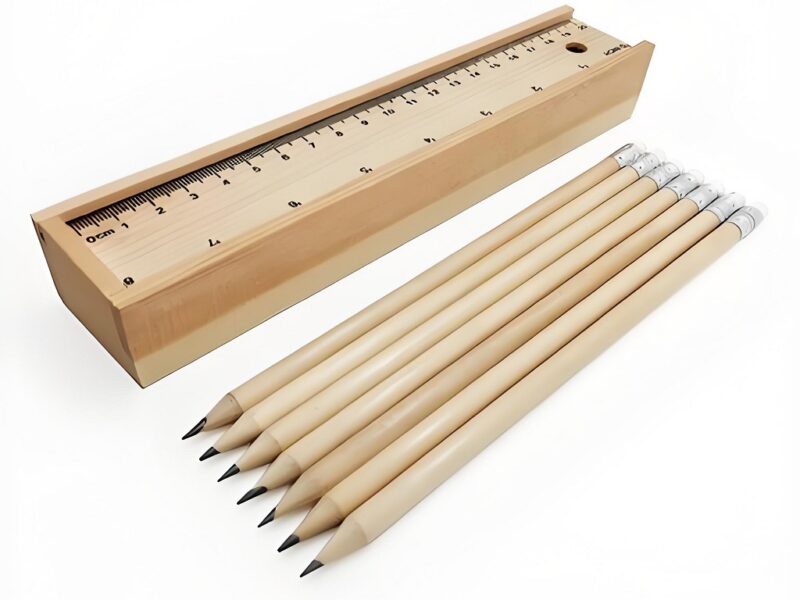
Thailand Pencil Export Documentation Guide for Businesses
Exporting pencils from Thailand may seem like a straightforward logistics task, but the reality is layered with regulatory requirements, documentation protocols, and customs compliance. For businesses—whether you’re a pencil manufacturer, OEM supplier, or a stationery export distributor—understanding the export documentation process is crucial to avoiding costly delays, fines, or even shipment rejections.
This Thailand pencil export documentation guide is designed to demystify the export procedure, offering a clear, step-by-step breakdown tailored specifically for pencil-related products. Whether you’re new to exporting or scaling your operations internationally, this guide will help you navigate Thai customs, licensing, and paperwork with confidence.
Why Documentation Matters in Pencil Exports
Thailand is a growing hub for stationery manufacturing, with pencils being a significant export product due to the country’s access to raw materials like wood and graphite. However, exporting even a simple item like a pencil involves a multitude of documents that serve various legal, logistical, and financial functions.
Proper documentation ensures:
- Compliance with Thai customs regulations
- Alignment with international shipping standards
- Faster customs clearance and reduced risk of shipment delays
- Accurate tax and duty calculations
Failing to provide the correct documents—such as an export license or commercial invoice—can result in fines, shipment holds, or even blacklisting by customs authorities.
Overview of Required Export Documents
According to Thai Customs, exporters must prepare several essential documents. These are typically reviewed during customs clearance and may vary depending on the nature of the product and its destination.
| Document | Purpose |
|---|---|
| Export Declaration | Official submission to Thai Customs outlining shipment details |
| Commercial Invoice | Specifies transaction details between buyer and seller |
| Packing List | Describes contents, packaging type, and quantity |
| Bill of Lading / Air Waybill | Proof of shipment issued by the carrier |
| Export License (if applicable) | Authorization required for regulated goods |
| Certificate of Origin | Confirms product origin for trade agreements or tariffs |
Let’s explore how each of these applies specifically to pencil exports.
1. Export Declaration: Your Customs Starting Point
The export declaration is the cornerstone of the export process. It must be submitted electronically through Thailand’s e-Customs system. This document includes HS code classification, product description, value, and destination country.
For pencils, the Harmonized System (HS) code typically falls under 960910 (Pencils, including mechanical pencils). Accurate classification is essential for duty assessment and compliance.
Businesses must register with the Thai Customs Department and obtain a digital signature to access the e-Customs portal. Partnering with a licensed customs broker can streamline this process, especially for first-time exporters.
2. Commercial Invoice & Packing List: Transactional Accuracy
The commercial invoice serves as a legal record of the sale. It must include:
- Exporter and importer details
- Invoice number and date
- Description of goods (e.g., HB wooden pencils)
- Quantity, unit price, and total value
- Payment terms (FOB, CIF, etc.)
The packing list complements the invoice by detailing how the pencils are packed—number of boxes, dimensions, weight, and labeling. This helps customs officers and freight handlers verify the shipment contents.
3. Bill of Lading or Air Waybill: Proof of Shipment
Depending on the mode of transport, you’ll need either a Bill of Lading (sea freight) or an Air Waybill (air freight). These documents confirm that the goods have been handed over to the shipping line or airline and are en route to the destination.
Ensure that the consignee and shipper details match those on the invoice and export declaration. Mismatches can trigger customs inspections or delays.
4. Export License: When Is It Required for Pencils?
While pencils are generally not classified as restricted goods in Thailand, certain materials used in pencil production (e.g., specific types of wood or graphite) may fall under export control regulations. If your pencils contain any regulated components, you’ll need an export license from the Department of Foreign Trade (DFT).
According to Belaws, the process involves:
- Registering with the DFT
- Submitting a license application with supporting documents
- Awaiting approval (which can take several days to weeks)
Even if your pencils are unrestricted, it’s wise to confirm with Thai authorities or consult a customs broker to avoid surprises during inspection.
5. Certificate of Origin: Leveraging Trade Agreements
If you’re exporting pencils to countries that have Free Trade Agreements (FTAs) with Thailand—such as ASEAN nations, China, or Australia—a Certificate of Origin (CO) can help your buyer benefit from reduced tariffs.
This document is issued by the Thai Chamber of Commerce or Department of Foreign Trade. It must accurately reflect the origin of the raw materials and manufacturing process. For OEM pencil factories, maintaining traceable sourcing records is critical for CO approval.
Additional Considerations for Pencil Exporters
Beyond the core documents, there are several other factors pencil exporters should keep in mind:
Product Compliance and Labeling
Some countries have strict labeling and safety requirements for pencils, especially if they are marketed to children. Requirements may include:
- Non-toxic certification (e.g., ASTM D4236)
- CE marking for EU markets
- Language-specific labeling
Ensure your export documentation includes any relevant test reports or product certifications.
HS Code Accuracy
Using the wrong HS code can lead to incorrect duty payments or customs delays. For example:
- 96091000 – Pencils (excluding mechanical)
- 96092000 – Mechanical pencils
Consult Thailand’s Customs Tariff Database or a trade consultant to verify the correct classification.
Freight and Insurance Terms
Incoterms such as FOB (Free on Board) or CIF (Cost, Insurance, and Freight) determine who is responsible for insurance and freight charges. These terms must be clearly stated on the invoice and shipping documents to avoid disputes.
How to Streamline the Export Process
Exporting pencils efficiently requires more than just paperwork. Here are a few strategies to optimize the process:
- Use a Freight Forwarder: They can handle documentation, customs clearance, and shipping logistics.
- Digitize Records: Maintain digital copies of all documents for faster retrieval and compliance audits.
- Stay Updated: Export regulations may change, especially with evolving trade agreements. Monitor updates via Siam Shipping or Thai Customs.
- Train Your Staff: Equip your logistics or export team with regular training on international trade compliance.
Common Pitfalls to Avoid
Even experienced exporters can stumble. Here are some common mistakes to watch out for:
- Incorrect HS codes leading to wrong duty rates
- Missing or expired export licenses
- Inconsistent information across documents
- Failure to comply with destination country regulations
Each of these errors can delay shipments or result in penalties. A pre-export checklist can help catch issues before they escalate.
Conclusion: Exporting Pencils from Thailand with Confidence
Thailand’s pencil manufacturing sector has strong export potential, but success hinges on meticulous preparation and compliance. This Thailand pencil export documentation guide provides the foundational knowledge businesses need to navigate customs, obtain licenses, and prepare accurate paperwork.
By understanding the full scope of export documentation—from declarations and invoices to certificates and licenses—you can ensure smoother shipments, faster customs clearance, and stronger relationships with international buyers.
For businesses ready to scale their export operations, consider partnering with a customs broker or trade consultant to stay ahead of evolving regulations and industry standards.
For further reading, explore:
- Thai Customs Official Export Guide
- Belaws: Import-Export License in Thailand
- Siam Shipping: Export & Import Licenses
Related Reading
- Thailand Pencil Export Tax Rates Guide
- Thailand Pencil Export Regulations Guide
- How to Import Pencils From Thailand
- Top Thailand Pencil Exporters List
- Thailand Pencil Export to US Market
- How to Verify Thai Pencil Factory Audits
- Reputable Pencil Manufacturers Thailand
- Thailand Pencil Industry Standards Guide