
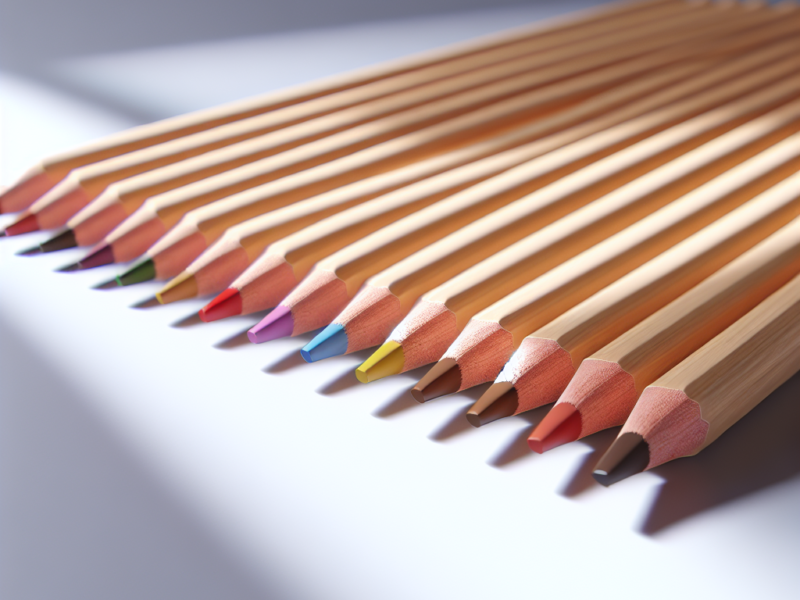
Thailand Colored Pencils Manufacturing Explained for Art Students
Whether you’re sketching a landscape or layering vibrant tones in a portrait, the tools you choose matter — and for many art students, colored pencils are a foundational medium. But have you ever wondered how these colorful instruments are made, especially in countries known for their craftsmanship like Thailand?
In this in-depth article, we’ll take a behind-the-scenes look at how Thailand colored pencils are manufactured — from raw materials to finished products. We’ll explore the science behind the pigments, the machinery that shapes the cores, and the sustainability efforts that make Thai pencils stand out in a global market. If you’re serious about understanding your tools as an artist, this guide is for you.
Why Thailand? A Rising Hub for Art Supplies
Thailand has become a significant player in the global stationery and art supply market, particularly in the production of colored pencils. The country’s skilled labor force, access to sustainable wood sources, and growing investment in quality control have positioned it as a preferred manufacturing location for both local brands and international OEM clients.
Major global companies, including Faber-Castell and Staedtler, have either manufacturing facilities or sourcing partnerships in Southeast Asia. Thailand’s strategic location and infrastructure also make it ideal for export to markets in Asia, Europe, and North America.
What Makes Colored Pencils Different from Graphite Pencils?
Before diving into the manufacturing process, it’s important to understand the fundamental differences. While graphite pencils use a core made of clay and graphite, colored pencils use a blend of pigments, binders, and fillers.
| Component | Graphite Pencil | Colored Pencil |
|---|---|---|
| Main Material | Graphite and clay | Color pigments |
| Binder | None or minimal wax | Wax or oil-based binder |
| Texture | Hard, erasable | Softer, blendable |
| Application | Sketching, writing | Layering, coloring, shading |
As noted in the Alabama Art Company’s guide, the use of wax or oil binders allows colored pencils to deliver smooth application and vibrant layering — key qualities for expressive artwork.
Step-by-Step: How Colored Pencils Are Made in Thailand
Manufacturing colored pencils is a complex, multi-stage process that balances chemistry, engineering, and artistry. Here’s how it’s typically done in Thai factories:
1. Pigment Selection and Mixing
The journey begins with the selection of pigments. These are finely ground powders that give each pencil its unique color. In Thailand, manufacturers often source pigments from both local and international suppliers, ensuring consistency and vibrancy.
The pigments are then mixed with binders (usually wax or oil-based) and fillers like kaolin clay or talc. This mixture is blended in industrial mixers until it reaches a dough-like consistency. The choice of binder affects the pencil’s softness, blendability, and resistance to breakage.
2. Extrusion of Color Cores
Once mixed, the dough is extruded through a machine that shapes it into long, thin rods — these are the pencil cores. The rods are then cut to size and dried. This drying process is critical: too fast, and the cores crack; too slow, and production lags.
Thai manufacturers often use climate-controlled drying rooms to maintain optimal humidity and temperature, a technique that improves core integrity and reduces waste.
3. Wood Casing: Sourcing and Sustainability
The core is only half the pencil. The casing — typically wood — must be durable, smooth, and easy to sharpen. Many Thai factories use FSC-certified wood such as incense cedar, basswood, or jelutong. These woods are chosen for their fine grain and environmental sustainability.
As highlighted in Faber-Castell’s insights on pencil craftsmanship, sustainability is a growing concern in the industry. Thai manufacturers are increasingly adopting eco-friendly practices, including the use of recycled wood and water-based lacquers.
4. Grooving and Gluing
The wooden slats are grooved using precision machinery. The colored cores are inserted into these grooves, and a second slat is glued on top to form a sandwich. This sandwich is pressed firmly to ensure no gaps form between the wood and the core.
High-end Thai factories often use non-toxic adhesives and automated pressing systems to maintain uniform pressure and alignment across thousands of units.
5. Shaping and Lacquering
After gluing, the pencils are cut into individual sticks and shaped — round, hexagonal, or triangular. Each shape caters to different ergonomic preferences. Art students often prefer triangular pencils for better grip during long drawing sessions.
The pencils are then sanded and coated with lacquer. Many Thai manufacturers use water-based, non-toxic lacquers that meet international safety standards, especially important for products intended for children and students.
6. Quality Control and Color Testing
Before packaging, each batch undergoes rigorous quality checks. Technicians test for color consistency, core centering, and break resistance. Some factories even conduct manual sharpening tests to ensure the pencils perform well across different sharpeners.
Color swatches are also tested against master samples to confirm that the hues are accurate and consistent. This level of detail is what sets premium Thai colored pencils apart from mass-produced alternatives.
7. Branding and Packaging
The final step is branding and packaging. Pencils are printed with brand names, color codes, and sometimes barcodes using hot stamping or inkjet printing. They are then packed into boxes — often made from recycled cardboard — and prepared for shipment.
OEM clients working with Thai manufacturers can customize everything from the pencil finish to the packaging design, making Thailand a flexible partner for art supply brands worldwide.
Materials Matter: Wax vs. Oil-Based Cores
For art students, understanding the binder used in the core can make a significant difference in technique. Wax-based pencils are softer and allow for easy blending, but may result in “wax bloom” — a hazy layer that appears over time. Oil-based pencils, though harder, offer better layering and precision.
Thailand’s colored pencil factories produce both types, catering to different artistic needs. Students focusing on realism or technical drawing often prefer oil-based pencils, while those exploring expressive or abstract styles may lean toward wax-based varieties.
Why Art Students Should Care About the Manufacturing Process
Knowing how your tools are made gives you deeper control over your art. Here’s why understanding pencil manufacturing is valuable for students:
- Material Awareness: Helps you choose the right pencil for your technique and medium.
- Sustainability: Informs ethical purchasing decisions, especially when supporting eco-conscious brands.
- Performance Expectations: Sets realistic expectations for blending, layering, and sharpening.
- Career Preparation: For students pursuing product design or art education, this knowledge is foundational.
Top Thai Brands and OEM Manufacturers
While many Thai pencil factories operate under OEM agreements, producing for global brands, there are also homegrown labels gaining recognition for quality and innovation. Some notable names include:
- Colleen: A heritage Thai brand known for its vibrant, affordable colored pencils.
- Master Art: Popular in Southeast Asia, offering student-grade and professional-grade lines.
- OEM Partners: Thai factories manufacture for international art supply brands, often under private labels.
These companies often participate in global trade shows and comply with international safety and quality certifications, such as EN71 and ASTM D-4236, making them reliable choices for academic and professional use.
Further Reading and Industry References
If you’re eager to explore more about colored pencil craftsmanship and material science, check out these excellent resources:
- Faber-Castell: How to Make the Best Quality Pencils
- Architecture Lab: How Are Colored Pencils Made?
- Alabama Art Company: Guide to Pencils and Mark Makers
Conclusion: The Art Behind the Tool
Colored pencils may seem simple, but their creation is anything but. From the selection of pigments to the shaping of wood casings, every step in the Thai manufacturing process is a blend of science, craftsmanship, and care. For art students, understanding how Thailand colored pencils are made isn’t just informative — it’s empowering. It helps you make informed decisions, appreciate your tools, and elevate your creative expression.
So the next time you pick up a colored pencil, remember: there’s a whole world of engineering, artistry, and innovation behind that vibrant stroke.