
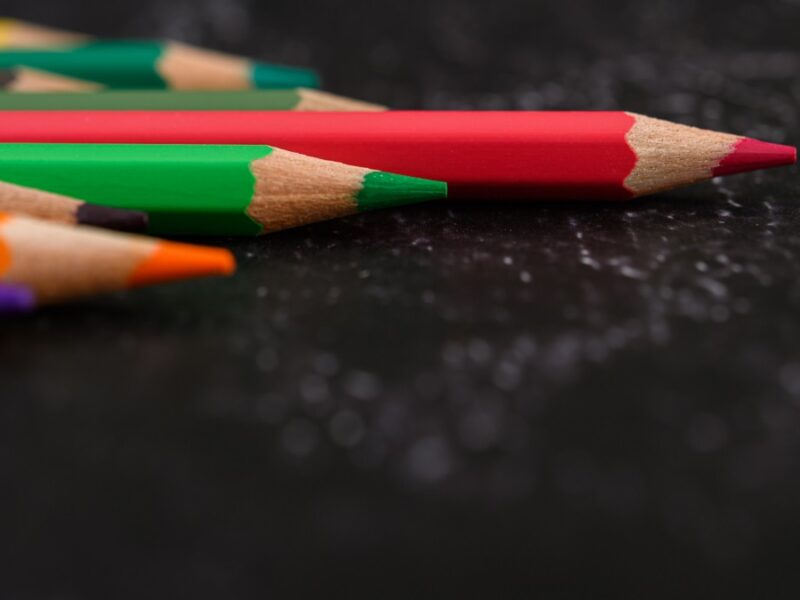
Seahorse Pencil for Art Projects Review and Tips
If you’re an artist looking to breathe life into your next project with color, texture, and precision, you’ve likely heard of watercolor pencils. Among the many choices on the market, the Seahorse® pencil for art projects review stands out — not just for its name, but for its performance. Whether you’re sketching marine life or experimenting with mixed media, this tool offers a versatile and expressive medium. In this article, we’ll explore how Seahorse® watercolor pencils perform in real-world art scenarios, with expert tips on how to get the most out of them.
Why Watercolor Pencils Are Gaining Ground
Watercolor pencils combine the control of traditional colored pencils with the fluidity of watercolors. This hybrid tool allows artists to draw with dry pigment and then transform their work with a wet brush, creating painterly effects that are difficult to achieve with either medium alone. For projects demanding detail and vibrancy — such as painting a seahorse or other intricate subjects — watercolor pencils are an ideal choice.
According to Lachri Fine Art, watercolor pencils are particularly useful for layered, vibrant compositions. The blog highlights how blending techniques and color layering can produce depth and texture, especially when working on marine-themed pieces like seahorses. This makes the Seahorse® pencil not just a namesake, but a fitting tool for such subjects.
Seahorse® Pencil: What Sets It Apart?
The Seahorse® pencil is designed with artists in mind. While not as mainstream as brands like Faber-Castell or Derwent, Seahorse® has carved a niche by focusing on pigment quality, water solubility, and ergonomic design. Let’s break down what makes it a compelling choice:
| Feature | Seahorse® Watercolor Pencil |
|---|---|
| Pigment Load | High-density pigments for bold color payoff |
| Water Solubility | Excellent; dissolves evenly with minimal streaking |
| Core Hardness | Medium-soft; suitable for both detail and shading |
| Barrel Design | Hexagonal grip with lacquered finish for comfort |
| Lightfastness | Moderate to high, depending on color |
From a manufacturing standpoint, Seahorse® pencils are produced using sustainably sourced cedar wood and non-toxic pigments. The brand emphasizes quality control, with each pencil tested for core alignment and pigment consistency. This attention to detail ensures that even under heavy layering or wet application, the pencil performs reliably.
Techniques to Maximize Seahorse® Pencil Performance
To truly appreciate the Seahorse® pencil, you need to explore its full range of capabilities. Here are some practical techniques that artists — beginners and pros alike — can use to bring their watercolor pencil work to life:
1. Dry Layering and Burnishing
Start by applying the pencil dry, layering colors from light to dark. Use a colorless blender or a white pencil to burnish the surface, creating a smooth, waxy finish. This is ideal for areas where you want to preserve texture without water activation.
2. Wet-on-Dry Technique
Once the dry layer is complete, use a damp brush to activate the pigment. The Seahorse® pencil dissolves smoothly, allowing you to blend colors seamlessly. This technique is perfect for creating gradients in backgrounds or soft transitions in marine subjects like seahorses or coral reefs.
3. Wet-on-Wet for Expressive Effects
For more abstract or expressive results, wet the paper first and then apply the pencil. The pigment will spread unpredictably, mimicking traditional watercolor effects. This is useful for underwater textures or dreamy backgrounds.
4. Detailing Over Washes
After your initial washes dry, go back in with a dry pencil to add crisp lines and details. Seahorse® pencils retain their edge well, making them ideal for fine work like scales, eyes, or shell textures.
You can explore more watercolor pencil techniques in depth at Lachri Fine Art, where artist Lisa Clough demonstrates real-time examples of layering and blending in a seahorse-themed artwork.
Project Inspiration: Painting a Seahorse
Let’s put the Seahorse® pencil to the test in a thematic project — painting an actual seahorse. This subject is rich in detail, texture, and color variation, making it an excellent challenge for watercolor pencils. Here’s a step-by-step breakdown:
- Sketch the Outline: Use a light graphite pencil to draw the seahorse. Keep the lines minimal, as graphite can muddy your colors.
- Base Layer with Dry Pencils: Apply light layers of yellow, orange, and blue to define the body and background.
- Activate with Water: Use a fine brush to wet the base layer, blending colors and softening edges.
- Add Texture: Once dry, use dry pencil strokes to add scale patterns, ridges, and highlights.
- Final Details: Re-wet select areas for depth, and use a white gel pen or pencil for highlights.
This project not only showcases the pencil’s capabilities but also helps artists understand how different techniques interact on paper. The Seahorse® pencil handles each stage with consistency, offering both control and vibrancy.
Choosing the Right Paper for Best Results
Watercolor pencils perform best on paper that can handle both dry and wet media. For Seahorse® pencils, cold-pressed watercolor paper (140 lb or higher) is recommended. The texture allows pigment to grip well, while the weight prevents warping during wet applications.
Brands like Arches, Canson, or Strathmore are excellent choices. Avoid smooth or coated paper, as it may resist water and cause uneven blending.
OEM and Supply Chain Insights: Behind the Pencil
From a manufacturing perspective, Seahorse® pencils are a product of careful OEM (Original Equipment Manufacturer) coordination. The brand sources pigments from European suppliers known for their lightfastness and consistency. Wood is typically imported from FSC-certified forests, ensuring sustainability.
The supply chain involves multiple checkpoints: pigment blending, core extrusion, wood slatting, barrel shaping, and final assembly. Each step is monitored for quality assurance. Seahorse® contracts with ISO-certified factories, which ensures compliance with environmental and safety standards — a growing priority in the art supply industry.
This attention to quality and ethics is part of what makes Seahorse® stand out in a crowded market. It also reflects a broader trend: artists are increasingly valuing transparency and sustainability in their tools.
Tips for Storing and Maintaining Your Seahorse® Pencils
Proper storage extends the life of your watercolor pencils. Keep them in a cool, dry place, and avoid direct sunlight, which can degrade pigments over time. Use a pencil wrap or tin case to prevent breakage, especially if you travel with your supplies.
Sharpen with a handheld sharpener designed for colored pencils — electric sharpeners can be too aggressive and may damage the soft core. If a pencil breaks frequently, try warming it slightly to soften the wax binder before sharpening.
Final Verdict: Are Seahorse® Pencils Worth It?
For artists who value versatility, control, and vibrant color, the Seahorse® watercolor pencil delivers on all fronts. It’s a well-crafted tool ideal for both detailed and expressive work, particularly in nature-themed or aquatic art projects. While it may not yet have the name recognition of legacy brands, its performance and ethical production practices make it a worthy addition to any artist’s toolkit.
Whether you’re painting a seahorse or exploring new creative directions, these pencils offer the flexibility and quality you need. For further comparisons, check out industry reviews on Jackson’s Art Blog and Artists Network.
Conclusion
The Seahorse® pencil for art projects review reveals a high-performing, artist-friendly tool that excels in both dry and wet applications. With strong pigment load, smooth solubility, and thoughtful design, it’s well-suited for detailed illustrations and expressive washes alike. When paired with the right paper and techniques, Seahorse® pencils can elevate your artwork to new depths — just like the oceanic creatures they’re named after.
Related Reading
- Seahorse® Pencil Safety for Kids Review
- Seahorse® Pencil Bulk Order Process
- Seahorse® Pencil vs Leading Pencil Brands
- Seahorse® Pencil for School Use Review
- Seahorse® Pencil Complete Color Range
- Seahorse® Pencil User Testimonials
- Seahorse® Pencil Environmental Impact
- Seahorse® Pencil Price Comparison