
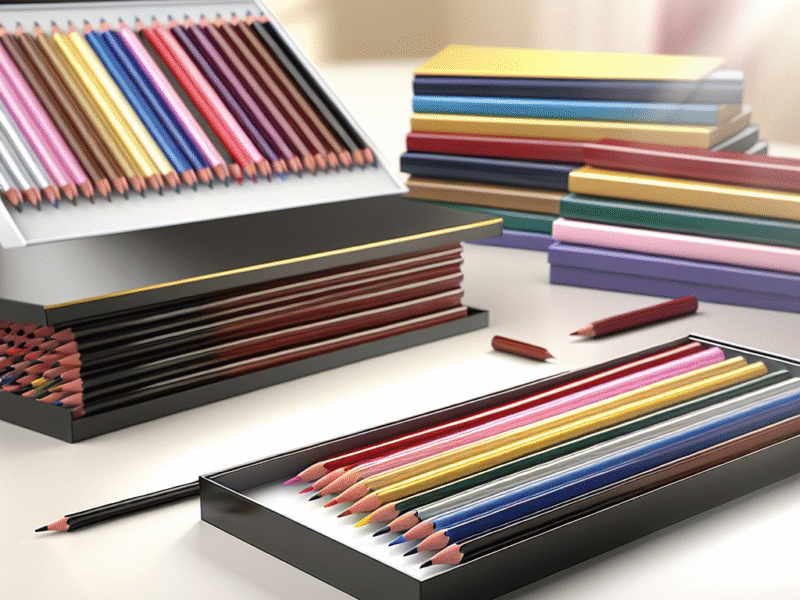
Whether you’re sourcing art supplies for a classroom, stocking your retail shelves, or curating creative kits, choosing the right colored pencil packs can be a surprisingly nuanced decision. The market is saturated with options — from budget-friendly bulk assortments to premium artist-grade selections. But when you’re looking for retail-ready colored pencils packs, it’s not just about color variety or price. It’s about presentation, quality assurance, and matching the product to your customers’ expectations.
This guide walks you through everything you need to know before making a purchase — from packaging formats and core materials to end-user applications and manufacturing insights. Whether you’re a retailer, distributor, or procurement manager, this article provides the clarity you need to make informed buying decisions.
Understanding the “Retail-Ready” Concept
Before diving into product specs, it’s essential to understand what “retail-ready” really means. In the context of colored pencil packs, this term refers to products that are pre-packaged and designed for immediate display and sale. These packs typically include:
- Branded packaging with visual appeal
- Standardized barcodes and labeling
- Protective casing to prevent damage in transit or on shelves
- Compliance with safety and regulatory standards (especially for children’s products)
Retail-ready packaging reduces labor at the point of sale and enhances the product’s shelf appeal. It’s a key consideration for brick-and-mortar stores, online marketplaces, and educational supply chains.
Who’s Buying Colored Pencils — And Why That Matters
Colored pencils serve a wide range of users, and knowing your target market is crucial to choosing the right pack configurations. Here’s a breakdown of the primary buyer personas and their needs:
| Buyer Type | Key Requirements |
|---|---|
| Parents & Educators | Non-toxic, break-resistant cores, age-appropriate color range |
| Retailers | Attractive packaging, consistent supply, seasonal assortments |
| Artists & Hobbyists | High pigment load, blendability, lightfastness |
| Corporate Buyers | Bulk pricing, private labeling, logistics support |
For example, a 12-color pack in a durable cardboard sleeve might be perfect for a school supply aisle, while a 48-color tin set with professional-grade cores would appeal more to art supply stores or online craft retailers.
Materials Matter: What’s Inside the Pencil
The performance of a colored pencil depends largely on its core composition and casing. Here’s what to look for when evaluating quality:
- Core Material: Most colored pencils use a wax-based or oil-based binder. Wax-based cores are softer and easier to blend, ideal for children and casual artists. Oil-based cores are harder and more precise, preferred by professionals.
- Pigment Load: Higher pigment content results in richer, more vibrant colors. Low-end pencils often use more filler, which can lead to dull or inconsistent color payoff.
- Wood Casing: Basswood and cedar are popular choices. Cedar offers better sharpening performance and a smoother finish, but it’s more expensive. Basswood is cost-effective and still performs well.
Retail buyers should request product samples or technical datasheets to assess these attributes before committing to large orders.
Packaging Options: From Classroom Packs to Premium Tins
Packaging isn’t just about aesthetics — it affects shipping, shelf life, and consumer perception. Here are the most common formats for retail-ready colored pencil packs:
- Cardboard Sleeves: Lightweight and affordable, ideal for back-to-school promotions.
- Plastic Cases: Durable and reusable, often used for mid-range products.
- Metal Tins: Premium look and feel, perfect for gift sets or artist-grade lines.
- Display Boxes: Designed for point-of-sale placement, often used for bulk or impulse-buy items.
Retailers should consider merchandising strategies when choosing packaging. For example, a stand-up box with a die-cut window can increase visibility and encourage interaction, especially in high-footfall environments.
Compliance and Safety: Especially for Child-Focused Markets
Safety is non-negotiable, particularly when selling to schools or parents. Look for products that comply with local and international standards such as:
- ASTM D-4236 (Labeling for Art Materials)
- EN71 (European Toy Safety Standard)
- CE Marking (European Conformity)
Products should also be labeled as non-toxic and free from heavy metals. For younger age groups, additional certifications like AP (Approved Product) from the Art and Creative Materials Institute can add credibility.
For more on safety standards, see ACMI’s product safety guidelines.
Bulk Buying vs. Shelf-Ready Packs
While bulk purchasing offers cost advantages, it may not always be the right fit for retail environments. Here’s a quick comparison:
| Aspect | Bulk Packs | Retail-Ready Packs |
|---|---|---|
| Unit Cost | Lower | Moderate to High |
| Packaging | Minimal | Consumer-facing |
| Shelf Appeal | Low | High |
| Use Case | School supply rooms, workshops | Retail display, e-commerce |
Retail-ready packs are often pre-barcoded and labeled for inventory systems, saving time and reducing errors at checkout. If you’re reselling or distributing, this format is usually the better investment despite the slightly higher per-unit cost.
Psychological and Educational Benefits That Drive Demand
Colored pencils aren’t just fun — they’re developmentally valuable. For children, coloring activities support fine motor skills, hand-eye coordination, and early creativity. For adults, coloring has been linked to stress relief and mindfulness.
These benefits have contributed to the rise of adult coloring books and therapeutic art programs, expanding the market beyond traditional school supplies. Retailers that understand these emotional drivers can better position their products and increase sales.
For more on the science behind coloring and stress reduction, see this study from the National Institutes of Health.
Private Labeling and OEM Opportunities
If you’re a distributor or brand looking to create your own line of colored pencils, many manufacturers offer OEM (Original Equipment Manufacturing) services. These include:
- Custom packaging and branding
- Color selection tailored to your market
- Eco-friendly or specialty materials
- Flexible order quantities
Private labeling allows you to differentiate your product in a crowded market. However, it requires close collaboration with the manufacturer to ensure quality control, timely delivery, and compliance with local regulations.
What to Ask Your Supplier
Before finalizing your purchase, ask these critical questions:
- What certifications and safety testing are provided?
- Is the packaging customizable or retail-ready?
- What’s the minimum order quantity (MOQ)?
- Are samples available for review?
- What are the lead times for production and delivery?
Suppliers that can clearly answer these questions are more likely to deliver consistent, high-quality products that meet your retail goals.
Final Thoughts: Matching Product to Purpose
Choosing the right colored pencil pack isn’t just about picking the brightest colors or the lowest price. It’s about aligning the product with the end user’s needs, understanding the manufacturing process, and ensuring that what you put on the shelf delivers value, safety, and satisfaction.
Whether you’re filling a classroom, launching a new stationery line, or stocking your retail store, investing in retail-ready colored pencils packs that meet both aesthetic and functional criteria will set your offering apart in a competitive market.