
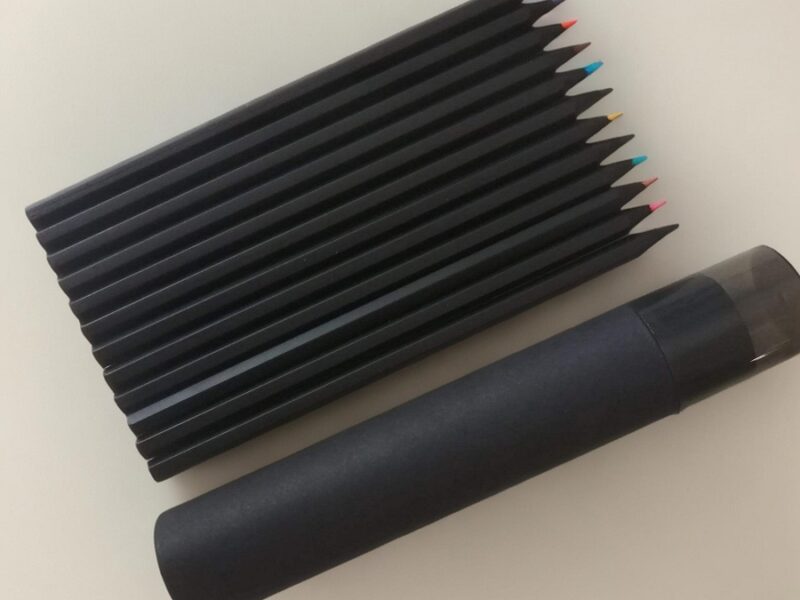
How to Import Pencils from Thailand Efficiently
As global demand for sustainable and affordable stationery continues to rise, importing pencils from Thailand presents a compelling opportunity for businesses looking to diversify their product lines or reduce procurement costs. Whether you’re a stationery retailer, an office supply distributor, or a private label brand, understanding how to import pencils from Thailand efficiently can unlock access to high-quality products and competitive pricing—without the headaches often associated with international trade.
This guide walks you through every critical step of the import process, from identifying reputable suppliers to navigating Thai export regulations and managing international logistics. Drawing from industry sources and expert insights, we’ll help you avoid costly mistakes and streamline your supply chain.
Why Thailand? The Case for Pencil Importation
Thailand has established itself as a reliable manufacturing hub for stationery products, including traditional wood-cased pencils, mechanical pencils, and increasingly, eco-friendly variants. Thai pencil manufacturers are known for their attention to detail, compliance with international standards, and use of sustainable materials such as recycled paper, FSC-certified wood, and natural dyes.
Moreover, Thailand’s favorable trade agreements, relatively low labor costs, and well-developed logistics infrastructure make it an attractive source country for importers targeting markets in North America, Europe, and beyond.
Step 1: Define Your Product Requirements
Before reaching out to suppliers, clearly define the type of pencils you want to import. Consider the following factors:
- Material: Wood, recycled paper, plastic, or biodegradable components?
- Type: Standard graphite, colored pencils, mechanical pencils, or promotional pencils?
- Certifications: FSC, PEFC, ASTM D-4236, or EN71 for safety and environmental compliance?
- Target audience: School supplies, art supplies, office use, or eco-conscious consumers?
Eco-friendly pencils, in particular, are gaining traction due to rising consumer awareness. According to a guide by Hongzintai, Thai distributors are increasingly focused on sustainable production methods that align with global environmental standards. These products not only appeal to eco-conscious buyers but also help importers strengthen their brand positioning in a competitive market. Learn more about eco-friendly pencil sourcing.
Step 2: Identify and Vet Suppliers
Once you’ve defined your product specs, the next step is to identify reliable pencil manufacturers or distributors in Thailand. Here are several ways to do this:
- Use B2B platforms like Alibaba, GlobalSources, or ThaiTrade.
- Attend trade fairs such as the Bangkok International Trade & Exhibition Centre (BITEC) events.
- Consult with Thai export promotion agencies or chambers of commerce.
When evaluating suppliers, request product samples, factory audit reports, and test certifications. Conduct video calls or, if feasible, visit the factory to assess production capabilities and working conditions. Look for suppliers experienced in exporting to your country, as they are more likely to understand customs documentation and compliance requirements.
Step 3: Understand Thailand’s Export Regulations
To import pencils from Thailand legally and efficiently, it’s crucial to understand the country’s export framework. According to Trade.gov’s guide on Thailand import requirements, standard documentation includes:
- Commercial Invoice
- Packing List
- Bill of Lading or Air Waybill
- Certificate of Origin (if claiming preferential tariffs)
- Import License (for restricted goods)
Most pencils are not classified as restricted goods, so you typically won’t need an import license. However, if your pencils include innovative materials (e.g., plantable pencils with seeds), double-check with Thai customs and your local authorities to ensure compliance.
Step 4: Choose the Right Freight Forwarder
Shipping logistics can make or break your import operation. Partnering with an experienced freight forwarder simplifies the process by managing cargo booking, customs clearance, insurance, and last-mile delivery.
As outlined in Ship4wd’s comprehensive import guide, freight forwarders play a pivotal role in coordinating international shipments while ensuring compliance with both Thai and destination country regulations. They can also help you optimize shipping methods based on volume, budget, and delivery timelines. Read Ship4wd’s full guide on importing from Thailand.
Common shipping options include:
| Shipping Method | Best For | Transit Time | Cost |
|---|---|---|---|
| Sea Freight (LCL/FCL) | Large or heavy shipments | 20–40 days | Low |
| Air Freight | Urgent or lightweight goods | 3–7 days | High |
| Courier (DHL, FedEx) | Samples or small orders | 2–5 days | Very High |
Step 5: Calculate Total Landed Cost
To ensure profitability, you must calculate the Total Landed Cost (TLC) of the imported pencils. This includes:
- Product cost (FOB or EXW pricing)
- Shipping and freight charges
- Import duties and taxes
- Customs brokerage fees
- Insurance
- Last-mile delivery to your warehouse
For example, importing eco-friendly pencils may qualify for reduced tariffs under certain trade agreements if accompanied by a Certificate of Origin. Always verify the applicable Harmonized System (HS) code for pencils (typically 9609.10) and consult your customs broker for accurate duty rates.
Step 6: Ensure Regulatory Compliance in Your Country
Importing pencils into the United States or the EU requires compliance with local safety and labeling laws. For the U.S., ensure your products meet requirements under the Consumer Product Safety Improvement Act (CPSIA), especially if they are intended for children. Labeling must include country of origin, and if applicable, ASTM D-4236 certification for art materials.
In the EU, compliance with EN71 standards for toy safety is essential if the pencils are marketed to children. Eco-friendly pencils may also need documentation proving their biodegradability or sustainability claims.
Step 7: Plan for Warehousing and Distribution
Once your shipment clears customs, you’ll need a strategy for warehousing and distribution. Depending on your business model, options include:
- Self-managed warehousing and fulfillment
- Third-party logistics (3PL) providers
- Fulfillment by Amazon (FBA) for e-commerce sellers
Make sure your warehouse is equipped to handle the volume and packaging requirements of your imported pencils. For eco-friendly products, consider using recyclable or compostable packaging to reinforce your brand’s sustainability message.
Step 8: Build Long-Term Supplier Relationships
Once you’ve completed your first successful import, focus on building a long-term relationship with your Thai supplier. This can lead to better pricing, improved payment terms, access to new product lines, and priority during production peaks.
Consider visiting your supplier annually or scheduling regular video check-ins to maintain transparency and alignment. A strong supplier relationship can also make it easier to collaborate on custom designs or private label options tailored to your market.
Common Pitfalls and How to Avoid Them
Importing from Thailand is generally straightforward, but here are some common mistakes to avoid:
- Skipping due diligence: Always verify supplier credentials and request samples.
- Underestimating lead times: Factor in production, shipping, and customs clearance.
- Ignoring compliance: Ensure all labeling, safety, and documentation requirements are met.
- Overlooking hidden costs: Calculate TLC to avoid pricing surprises.
Conclusion: A Strategic Approach to Pencil Importation
Understanding how to import pencils from Thailand efficiently requires more than just finding a supplier—it demands a strategic approach to sourcing, compliance, logistics, and cost control. Whether you’re importing standard graphite pencils or tapping into the eco-conscious market with sustainable alternatives, Thailand offers a robust ecosystem of manufacturers ready to serve global buyers.
By following the steps outlined in this guide and leveraging resources like Ship4wd and Trade.gov, you can minimize risk, maximize efficiency, and position your business for long-term success in the stationery market.
Related Reading
- Thailand Pencil Industry Growth Rate
- Pencil Raw Material Sourcing Thailand
- Reputable Pencil Manufacturers Thailand
- How to Choose a Thai Pencil Manufacturer
- Top Thailand Pencil Exporters List
- Thailand Pencil Export to US Market
- Sustainable Pencil Manufacturing Thailand
- Trusted Pencil Manufacturer in Thailand