
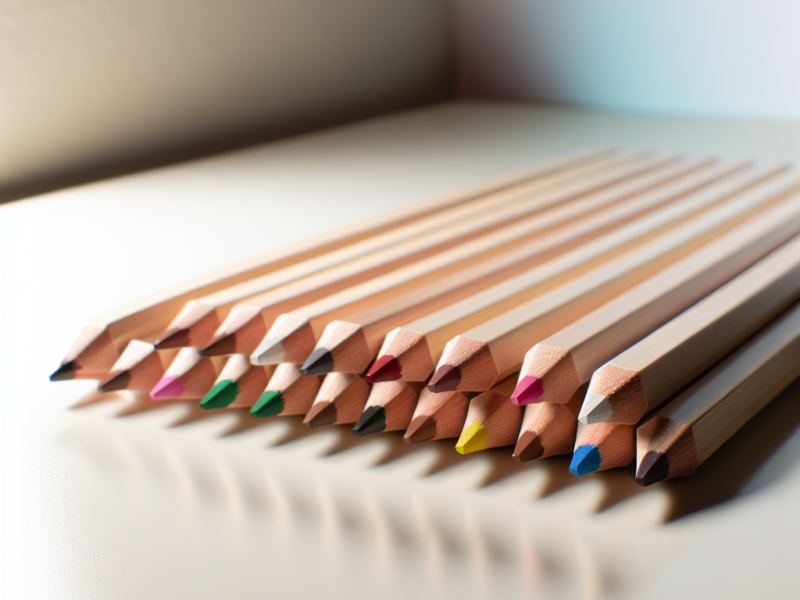
How Thailand Colored Pencils Are Made for Art Students
For art students, the colored pencil is more than just a tool — it’s a medium of expression. Yet few pause to consider how these vibrant instruments are crafted. Thailand, with its growing reputation in stationery manufacturing, has become a significant player in the global art supply industry. In this article, we’ll explore how Thailand colored pencils are made, what materials are involved, and why understanding this process matters for aspiring artists.
Why Manufacturing Matters to Art Students
Before diving into the production stages, it’s worth asking: why should art students care about how colored pencils are made? The answer is simple — materials affect performance. The type of pigment, binder, and wood used in a pencil determines how it lays down color, how it blends, and how long it lasts. For students developing their technique, choosing the right pencil can make a noticeable difference in their work.
Thailand’s manufacturers are known for balancing quality and affordability, making them ideal suppliers for educational art tools. Understanding how these pencils are made helps students make informed choices and appreciate the craftsmanship behind their tools.
From Forest to Factory: The Journey of Wood Casings
The outer shell of a colored pencil is typically made from softwoods like basswood or poplar — species that are easy to machine and environmentally sustainable when sourced responsibly. Thai manufacturers often use local or regional wood, which reduces transportation costs and supports sustainable forestry initiatives.
Once harvested, the wood is kiln-dried to reduce moisture content. This is crucial because excess moisture can cause warping or cracking during later production stages. After drying, the wood is cut into thin slats, which are then grooved to hold the pencil core.
According to Johnshen Stationery, the wood is treated to be smooth and splinter-free, ensuring a comfortable grip and clean sharpening experience. For art students, this means better control and a more pleasant drawing experience.
The Heart of the Pencil: Crafting the Color Core
The core — often called the “lead,” though it contains no actual lead — is the most critical component of a colored pencil. It’s where color, texture, and blendability are determined. Thai manufacturers typically use a mixture of:
- Pigments: Finely ground colorants that determine the hue and vibrancy.
- Binders: Usually wax or oil, which hold the pigments together and affect texture.
- Fillers: Materials like kaolin clay to adjust hardness and opacity.
This mixture is blended into a paste and then extruded into long, cylindrical leads. These are dried and hardened before assembly. The choice between wax-based and oil-based binders has a direct impact on performance. Wax cores, more common in student-grade pencils, offer smoother application and easier blending. Oil cores, often found in premium pencils, provide finer control and less wax bloom over time.
As PencilChina explains, the ratio of pigment to binder is key. More pigment means richer color but can also make the core brittle if not balanced with the right binder. Thai manufacturers often fine-tune this ratio to create pencils that are both vivid and durable — ideal for classroom environments.
Assembly: Where Wood Meets Color
Once the cores are ready, they’re glued into the grooved wooden slats. A second slat is placed on top, forming a “pencil sandwich.” These are pressed together and left to dry under pressure, ensuring the core is securely bonded.
The next step is shaping. Thailand colored pencils are typically hexagonal or round, depending on the brand and intended use. Hexagonal pencils are easier to grip and less likely to roll off desks — a small but important feature for students. The pencils are then trimmed to length, usually 175mm, and the ends are rounded or capped.
Finishing Touches: Sanding, Painting, and Branding
After shaping, the pencils are sanded to remove rough edges. They are then painted — often in colors that match the core — and sometimes coated with a protective lacquer. Branding, such as the manufacturer’s name or color code, is stamped or printed on the barrel.
Some high-end Thai manufacturers also dip the pencil tips in a color-identifying cap for easy recognition. This is especially helpful in large sets, allowing students to quickly find the shade they need.
The Luuk Minkman blog provides a detailed breakdown of these finishing processes, emphasizing the importance of precision and consistency. Even small defects in sanding or painting can affect the pencil’s usability and appearance.
Quality Control: Ensuring Consistency for Student Use
One of the hallmarks of Thai pencil production is rigorous quality control. Pencils are tested for breakage, color consistency, and smoothness. This is especially important for educational use, where durability and reliability are essential.
Faber-Castell, a globally respected brand with manufacturing operations in Asia, highlights in their manufacturing overview that each batch undergoes visual inspection and performance testing. While not all Thai manufacturers operate at this premium level, many adopt similar principles to ensure their products meet international standards.
Comparing Wax and Oil-Based Pencils
Art students often encounter both wax-based and oil-based colored pencils. Each has its pros and cons:
| Feature | Wax-Based Pencils | Oil-Based Pencils |
|---|---|---|
| Blendability | Excellent, smooth layering | Good, but more controlled |
| Durability | More prone to breakage | Harder, more durable |
| Color Intensity | Vibrant, soft application | Rich, but requires more layering |
| Price | More affordable | Generally more expensive |
Most Thailand colored pencils for students are wax-based, striking a balance between affordability and performance. However, some brands also offer oil-based lines for advanced learners seeking more control.
Eco-Friendly and Ethical Considerations
Modern Thai manufacturers are increasingly adopting eco-conscious practices. This includes using FSC-certified wood, non-toxic pigments, and recyclable packaging. These choices not only appeal to environmentally aware consumers but also align with global educational standards for safe classroom materials.
For art students, this is more than a marketing point. Using sustainable tools fosters awareness of environmental responsibility in creative practice — a value that many art institutions now emphasize.
Thailand’s Role in the Global Colored Pencil Market
Thailand has emerged as a key player in the stationery export market, particularly in Southeast Asia. Its manufacturers offer OEM (Original Equipment Manufacturing) services for global brands, meaning that many pencils sold under Western labels may actually be produced in Thai factories.
This global integration encourages high production standards and innovation. Thai factories often work closely with educational institutions to develop student-focused products, including triangular grips for ergonomic support and color-coded barrels for easier organization.
What to Look for When Choosing Student Pencils
Not all colored pencils are created equal. Here’s what art students should consider when selecting a set:
- Core softness: Softer cores are better for blending but may break more easily.
- Color range: A broader palette allows for more creative freedom.
- Lightfastness: Important for long-term projects or portfolio work.
- Build quality: Look for smooth barrels, centered cores, and clean finishes.
Many Thailand colored pencils strike a good balance in these areas, offering dependable quality without the premium price tag. Brands like Elephant, Master Art, and Double A are widely used in Thai schools and art programs, and are increasingly recognized abroad.
Closing Thoughts: Understanding Your Tools as an Artist
Colored pencils may seem simple, but their creation involves chemistry, engineering, and artistry. For art students, understanding how these tools are made — especially in a manufacturing hub like Thailand — deepens appreciation and informs better choices.
Whether you’re sketching for a class assignment or building a portfolio, the quality of your materials matters. And when your colored pencils come from a place that values both craftsmanship and education, you’re holding more than just a drawing tool — you’re holding a product of thoughtful design and global expertise.
For further reading on materials and pencil types, see this comprehensive guide to pencils by Alabama Art Supply.