
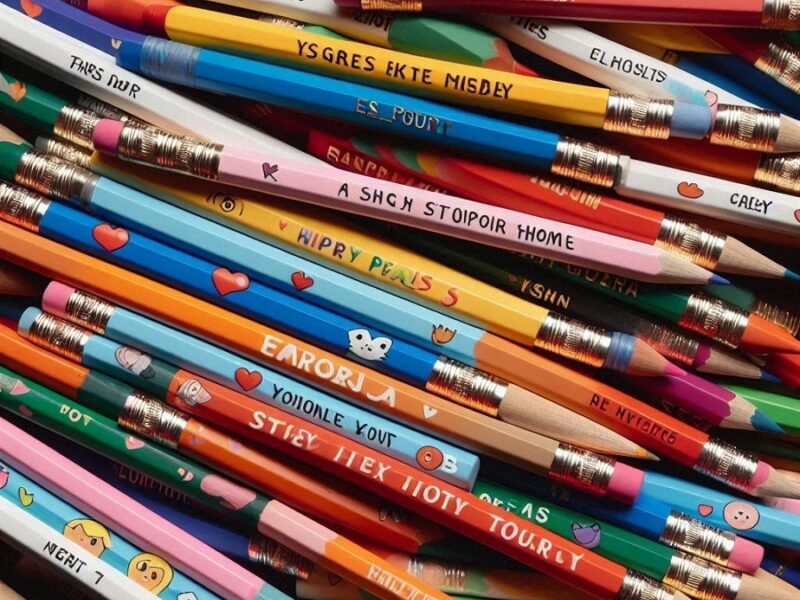
How Colored Pencils Are Made for Art Students
For art students, a colored pencil is more than just a drawing tool — it’s a bridge between imagination and expression. But have you ever wondered what goes into making these vibrant instruments? Behind the smooth glide of color across paper lies a meticulous process that combines chemistry, craftsmanship, and design. In this article, we’ll explore how colored pencils are made, with insights tailored specifically for art students who rely on quality tools to bring their visions to life.
Why Colored Pencils Matter to Art Students
Unlike graphite pencils, which produce shades of gray, colored pencils offer a spectrum of hues, allowing for rich, layered compositions. Their versatility makes them a staple in art classrooms and studios alike. Whether you’re sketching, shading, or blending, the quality of the pencil directly impacts the outcome of your work. Understanding how they’re crafted helps you make informed choices about the tools you use — and appreciate the engineering behind them.
Core Composition: Pigment, Binder, and Extenders
At the heart of every colored pencil is its core — often mistakenly called “lead.” This core is a carefully balanced mix of three main components:
- Pigments: These are finely ground powders that give the pencil its color. The quality and concentration of pigment determine the vibrancy and lightfastness of the pencil.
- Binders: Binders hold the pigment particles together and allow them to adhere to paper. Most colored pencils use either wax-based or oil-based binders, each with distinct properties.
- Extenders: These are neutral fillers like kaolin clay or talc that modify the hardness and smoothness of the core.
According to Chris Wilson Studio, the exact formulation is a closely guarded secret among manufacturers, but the goal is always the same: create a core that delivers consistent, blendable color without crumbling or breaking during use.
Wax vs. Oil-Based Colored Pencils
One of the most crucial distinctions in colored pencil production is the type of binder used. This choice affects not only the feel of the pencil but also how it behaves on paper.
| Type | Binder | Characteristics | Best For |
|---|---|---|---|
| Wax-Based | Wax | Soft, blendable, prone to wax bloom | Layering, quick sketches |
| Oil-Based | Vegetable oil or synthetic oils | Harder, precise, less bloom | Detailed work, archival art |
Wax-based pencils, such as Prismacolor, are popular among beginners for their smooth application. On the other hand, oil-based pencils like Faber-Castell Polychromos offer more control and are favored by professionals for detailed layering and precision.
The Role of Pigment Quality
Not all pigments are created equal. High-end brands like Faber-Castell and Caran d’Ache invest in artist-grade pigments that resist fading over time. According to Faber-Castell’s blog, pigment selection is a critical step in the manufacturing process. Each pigment is tested for lightfastness, tinting strength, and compatibility with binders before being approved for production.
This rigorous testing ensures that the final pencil delivers vibrant, long-lasting color — essential for art students creating portfolio pieces or gallery-ready work.
Mixing and Extrusion: From Powder to Core
Once the ingredients are selected, they are mixed in industrial blenders to create a uniform paste. This paste is then extruded — pushed through a die — to form long, cylindrical cores. These cores are cut into pencil-length segments and dried under controlled conditions to prevent cracking.
As noted in Luuk Minkman’s article, the extrusion process must be precise. Any inconsistency in diameter or moisture content can lead to performance issues, such as uneven color application or breakage during sharpening.
Wood Casing: More Than Just a Shell
Encasing the core in wood is more than an aesthetic choice — it’s essential for durability and usability. The wood must be soft enough to sharpen easily but hard enough to protect the core. Premium pencils often use incense cedar or basswood for this reason.
According to Pencil China, the wood is grooved, and the cores are laid into the channels. A second slat is glued on top, forming a “pencil sandwich” that is then shaped, painted, and stamped with branding.
For art students, the quality of the wood affects more than just aesthetics. A well-constructed casing ensures a smoother sharpening experience and reduces the risk of the core snapping under pressure.
Finishing Touches: Painting, Sealing, and Quality Control
After shaping, the pencils are sanded and painted — often in colors matching the core for easy identification. Some brands add a lacquer or sealant to enhance durability and grip. The final step is quality control, where each pencil is inspected for defects in shape, color consistency, and alignment.
Top manufacturers perform rigorous testing to ensure that every pencil meets performance standards. As Faber-Castell explains, this includes checking for break resistance, smoothness, and color payoff — all crucial attributes for reliable art supplies.
Why Manufacturing Quality Matters for Art Students
For students, the difference between a budget pencil and a premium one can be dramatic. Lower-quality pencils often contain less pigment and more filler, resulting in dull colors and inconsistent performance. They may also have poorly centered cores, leading to frequent breakage.
Investing in high-quality pencils means fewer interruptions, better blending, and more accurate results — all of which are essential when learning and refining artistic techniques.
Key Takeaways for Art Students Choosing Colored Pencils
When selecting colored pencils, consider the following criteria:
- Binder Type: Choose wax for softness and oil for precision.
- Pigment Load: Higher pigment content equals richer color.
- Lightfastness: Look for ratings if you plan to display or sell your work.
- Wood Quality: Opt for pencils that sharpen cleanly and feel balanced in hand.
Brands like Faber-Castell, Caran d’Ache, and Derwent are known for their consistency and performance, making them excellent choices for serious students and emerging professionals.
Further Reading and Industry References
To dive deeper into the world of pencil manufacturing and art materials, explore these expert resources:
- Faber-Castell: How to Make the Best Quality Colored Pencils
- Alabama Art: A Comprehensive Guide to Pencils and Other Mark Makers
- Chris Wilson Studio: How Colored Pencils Are Made
- Luuk Minkman: How Are Colored Pencils Made
Conclusion: Artistry Begins with Understanding Your Tools
Colored pencils may seem simple, but their creation is anything but. From pigment chemistry to wood selection, every element is fine-tuned to support artistic expression. For art students, understanding how these tools are made provides not only appreciation but also the knowledge needed to choose the right materials for their creative journey.
As you refine your skills and develop your style, let your materials work with you — not against you. The next time you pick up a colored pencil, remember the craftsmanship behind it and let that inspire your next masterpiece.