
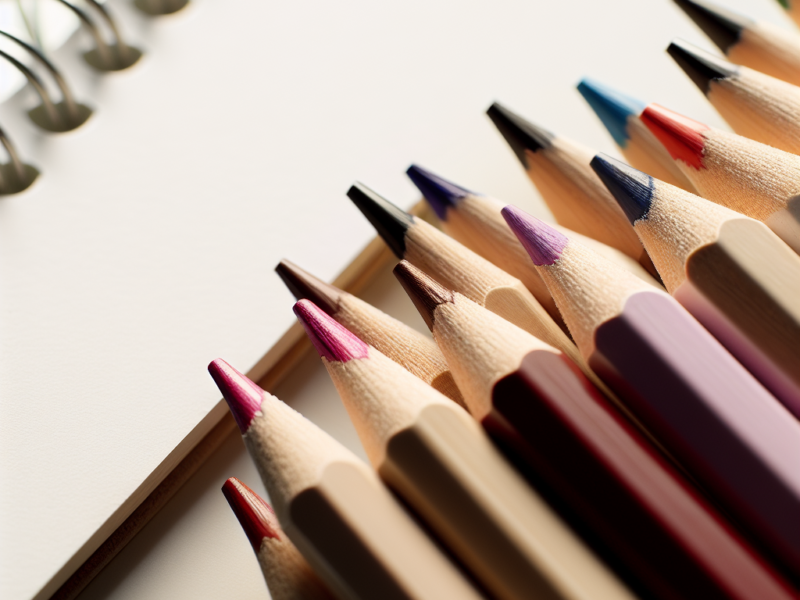
How Colored Pencils Are Made for Art Students
Whether you’re sketching your first still life or rendering a portrait in rich layers, the quality of your tools matters. For art students, understanding how colored pencils are made can deepen appreciation for the medium and inform better choices when building an art kit. Behind every smooth stroke and vibrant hue lies a precise manufacturing process that combines chemistry, craftsmanship, and engineering.
This article takes you inside the world of colored pencil production—from the science of pigments to the shaping of wood casings—so you can see how your favorite drawing tools come to life.
Why Colored Pencils Are Unique Drawing Tools
Unlike graphite pencils, which rely on a single mineral (graphite) for mark-making, colored pencils are made from a complex blend of ingredients. The core of a colored pencil isn’t just about color—it’s a carefully engineered mixture designed to deliver smooth application, blendability, and lightfastness.
For art students, this means the pencils you choose can directly affect your ability to layer, shade, and create depth. Understanding what goes into a colored pencil helps you select the right type for your technique—whether you’re burnishing for a glossy finish or layering for subtle gradients.
Step 1: Selecting the Right Pigments
At the heart of every colored pencil is pigment. Manufacturers use finely ground, high-quality pigments that determine the intensity, saturation, and longevity of the color. These pigments are often sourced from both organic and inorganic materials, depending on the desired hue and permanence.
According to Pencil China, pigments are chosen not only for their color but also for their ability to bind well with waxes or oils and resist fading over time. For professional-grade pencils, lightfast ratings are crucial—ensuring that artwork retains its vibrancy for decades.
Some premium pencil brands even test their pigments under UV light to simulate long-term exposure and determine how well colors hold up. For art students working on portfolio pieces or commissions, this level of quality can make a difference.
Step 2: Blending the Core Ingredients
Once the pigments are selected, they’re blended with binders to form the pencil core. These binders act like glue, holding the pigment particles together and allowing them to be shaped into a usable form. The most common binders include:
- Wax – Offers smooth application and easy blending; common in student-grade pencils.
- Oil – Provides a firmer texture and better layering; favored in professional pencils.
- Gum arabic or polymers – Used in some specialty pencils for unique effects.
This mixture is then heated and kneaded into a dough-like consistency. As explained in Luuk Minkman’s article, the goal is a uniform blend where pigment particles are evenly distributed, ensuring consistent color output with every stroke.
The core mixture is extruded through a die into long, thin strands—similar to pasta-making. These strands are then dried and cut to pencil length, ready to be encased in wood.
Step 3: Preparing the Wooden Casing
The wood casing isn’t just a holder—it plays a crucial role in protecting the core and providing a comfortable grip. Premium colored pencils often use cedar wood, prized for its straight grain, softness, and ease of sharpening. Sustainable sourcing is also a growing concern, with brands like Faber-Castell using FSC-certified wood to minimize environmental impact.
Wood slats are cut, grooved, and treated to prevent warping. Each groove is filled with glue and a pencil core is laid inside. Another slat is placed on top, sandwich-style, and the two are pressed together and dried under pressure. This process, called “slatting,” ensures the core is firmly bonded inside the casing.
Once dry, the pencil blocks are cut into individual pencils and shaped—typically into round, hexagonal, or triangular forms. Each shape serves a purpose: hexagonal pencils prevent rolling, while triangular ones offer ergonomic comfort for long drawing sessions.
Step 4: Shaping, Painting, and Finishing
After shaping, pencils are sanded smooth and prepared for finishing. This stage includes multiple coats of lacquer, which not only give the pencils their iconic colors but also protect the wood and improve grip. Some pencils receive up to 10 coats of lacquer for durability and aesthetics.
As described in Faber-Castell’s manufacturing guide, the final steps include stamping the brand name and color number, adding a dipped end cap, and sharpening the pencil to a fine point. Each pencil undergoes quality control to check for defects in the core, casing, and finish.
For art students, this attention to detail translates into a tool that performs consistently—no sudden core breaks, no uneven color application, and no splintering during sharpening.
Wax vs. Oil-Based Colored Pencils: What’s the Difference?
Most colored pencils fall into two categories: wax-based and oil-based. Both have their strengths, and knowing the difference helps art students choose the right pencil for their style.
- Wax-based pencils are softer, easier to blend, and ideal for techniques like burnishing. However, they may produce a wax bloom over time—a whitish haze that can be buffed off.
- Oil-based pencils are firmer, offering better control for detailed work and layering. They resist wax bloom and are often preferred in professional settings.
Some brands, like Polychromos (Faber-Castell), use oil-based cores, while others, like Prismacolor Premier, use wax. For students, experimenting with both can help determine which suits their technique and subject matter.
How Manufacturing Impacts Artistic Techniques
The way a colored pencil is made directly affects how it performs on paper. For example, pencils with high pigment concentration and smooth binders allow for better layering, blending, and color saturation. This is especially important for techniques like:
- Layering – Building up color gradually requires soft, blendable cores with consistent pigment flow.
- Burnishing – Applying heavy pressure to create a smooth, glossy surface works best with wax-based pencils.
- Solvent blending – Dissolving the binder with alcohol or mineral spirits creates painterly effects, depending on the core composition.
As outlined in The Virtual Instructor’s guide, understanding your tools helps you push their limits. A pencil made with care and precision gives you the control and consistency needed to master these techniques.
Environmental and Ethical Considerations
Modern colored pencil manufacturing is evolving to meet sustainability standards. Many companies now use responsibly harvested wood, non-toxic pigments, and recyclable packaging. For conscious art students, these factors can influence brand choices.
Look for certifications like FSC (Forest Stewardship Council) or PEFC (Programme for the Endorsement of Forest Certification) when selecting pencils. Brands that invest in eco-friendly practices often also invest in quality, ensuring you get a pencil that performs well and aligns with your values.
What This Means for Art Students
Colored pencils may seem simple, but their construction is anything but. From pigment selection to wood casing and final sharpening, each step is designed to produce a tool that meets the demands of artists at every level.
For art students, choosing the right colored pencils starts with understanding how they’re made. A well-crafted pencil offers more than just color—it offers control, consistency, and the ability to bring creative visions to life.
Whether you’re exploring color theory, building a portfolio, or preparing for professional work, investing in quality pencils—and knowing how they’re made—will elevate your art from the ground up.