
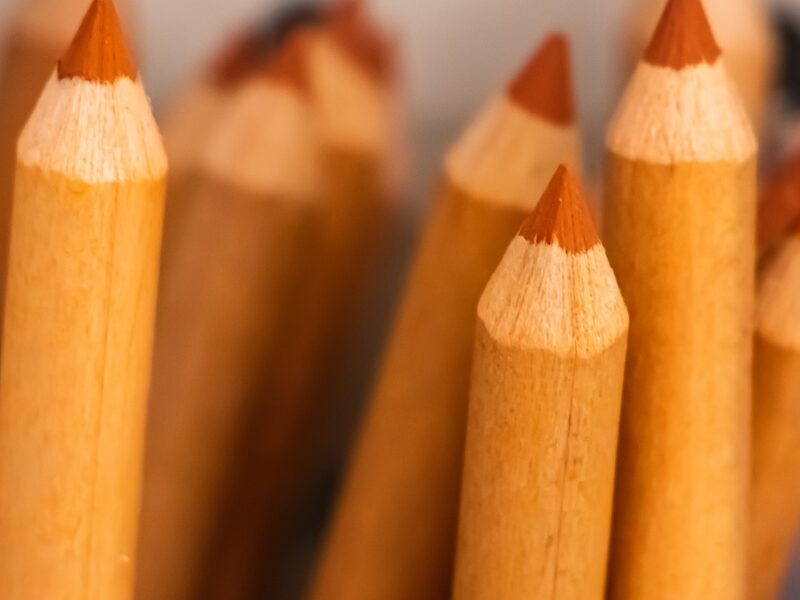
How Colored Pencils Are Made for Art Students
For art students, the colored pencil is far more than a simple tool—it’s a medium of expression, a gateway to mastering color blending, layering, and texture. But have you ever wondered what goes into making these vibrant instruments? Understanding how colored pencils are made can deepen your appreciation for their performance and help you choose the right tools for your creative journey.
In this article, we’ll take a deep dive into the manufacturing process of colored pencils—from raw materials to finished product—highlighting the science, craftsmanship, and innovation behind every pencil. Whether you’re just starting out or pursuing a degree in fine arts, this behind-the-scenes look is tailored for you.
Why Colored Pencils Matter to Art Students
Colored pencils offer a unique blend of control, precision, and versatility. Unlike paints or markers, they allow for detailed work without the mess, making them ideal for sketchbooks, portfolios, and classroom assignments. Their ability to layer and blend also makes them a favorite in mixed media projects.
But not all colored pencils are created equal. The quality and composition of the core, the type of binder used, and the wood casing all influence how a pencil performs. That’s why understanding how they’re made is more than trivia—it’s essential knowledge for any serious art student.
From Pigments to Pencil: The Core of It All
The heart of any colored pencil is its core—commonly (and misleadingly) called the “lead.” Unlike graphite pencils, colored pencils contain no actual lead. Instead, their cores are made from a mixture of pigments, binders, and fillers.
According to Luuk Minkman’s detailed overview, the production process begins with selecting high-quality pigments, which are finely ground to ensure smooth application and consistent color. These pigments are combined with binders—typically wax- or oil-based—to form a pliable yet durable medium that holds together under pressure.
Wax-based cores are more common and provide a soft, blendable texture ideal for layering. Oil-based cores, on the other hand, offer greater precision and durability, making them preferred by professionals for detailed work. Some manufacturers also include additives like kaolin clay or talc to control hardness and opacity.
Binder Types: Wax vs. Oil and Their Artistic Impacts
The binder not only holds the pigment together but also determines how the pencil behaves on paper. Here’s a quick breakdown:
- Wax-Based Binders: Softer, easier to blend, and more vibrant, but prone to “wax bloom”—a cloudy residue that can form on the surface over time.
- Oil-Based Binders: Harder, more resistant to smudging, and capable of finer detail, but generally more expensive and less forgiving for beginners.
As explained in Alabama Art’s guide to mark-making tools, this distinction is crucial for art students when selecting pencils for specific techniques, whether it’s soft shading or crisp line work.
Mixing and Shaping the Core
Once the pigment and binder are combined—sometimes with water or solvents to aid mixing—the resulting paste is extruded into long, thin strands. These strands are then dried and hardened to create the pencil cores. The extrusion process ensures uniformity in diameter and consistency, which is vital for smooth sharpening and even application.
Some manufacturers use specialized machinery to cut and calibrate these cores to exact specifications. According to Pencil China, the drying process must be carefully controlled to prevent cracking or warping, which would compromise the pencil’s usability.
Encasing the Core: Wood Selection and Sustainability
Encasing the pigment core in wood is more than just a protective step—it affects the pencil’s weight, balance, and sharpening behavior. Premium colored pencils often use cedar wood, which is soft enough for easy sharpening but strong enough to resist splintering.
However, sustainability is an increasing concern. Many manufacturers now source wood from certified sustainable forests or use alternative materials like recycled wood composites or bioplastics. This shift not only reduces environmental impact but also aligns with the values of eco-conscious art students.
The wood is typically cut into slats, grooved to hold the core, and then glued together to form a sandwich around the pigment rod. After drying, the pencil is shaped—usually into a round, hexagonal, or triangular profile—and then sanded smooth.
Finishing Touches: Lacquering, Labeling, and Quality Control
Once shaped, the pencils are coated with layers of lacquer or paint to protect the wood and enhance visual appeal. This step also allows manufacturers to color-code pencils for easy identification. High-end brands often include gold stamping, color names, and lightfastness ratings.
Before packaging, each pencil undergoes rigorous quality control. This includes checking for core centering (to prevent breakage during sharpening), testing pigment consistency, and verifying dimensions. Some brands even perform manual inspections to ensure flawless finishes.
Student vs. Professional Grade: What’s the Difference?
As an art student, you’ll encounter two main categories of colored pencils: student-grade and professional-grade. The differences lie in the quality of pigments, binder composition, and manufacturing precision.
- Student-Grade: More affordable, with lower pigment concentration and less consistent blending. Ideal for practice and early coursework.
- Professional-Grade: Higher pigment load, superior lightfastness, and smoother layering. Built for serious projects and portfolio work.
Understanding how these products are made helps you make informed decisions based on your current skill level and artistic goals.
Colored Pencil Manufacturing: A Global Industry
Major producers of colored pencils include Germany, Japan, and China, each bringing unique innovations to the table. German brands like Faber-Castell and Staedtler are known for precision engineering and sustainable forestry practices. Japanese manufacturers often focus on pigment purity and ergonomic design. Chinese factories, such as those featured on Pencil China, emphasize scalable production and cost-efficiency while increasingly adopting eco-friendly materials.
This global supply chain ensures a wide range of options for art students, from budget sets to premium collections. It also reflects the growing demand for high-quality, ethically produced art materials.
Choosing the Right Pencil for Your Art Practice
When selecting colored pencils, consider the following:
- Core Type: Wax for blending and softness; oil for detail and durability.
- Lightfastness: Especially important if your work will be displayed or sold.
- Ergonomics: Pencil shape and grip can affect comfort during long sessions.
- Sustainability: Look for FSC-certified wood or recycled materials.
Brands like Prismacolor, Caran d’Ache, and Derwent offer excellent options tailored to different needs and budgets. Sampling a few types can help you find the best fit for your style and technique.
Conclusion: The Art Behind the Tool
Colored pencils might seem simple at first glance, but their creation involves a sophisticated blend of chemistry, engineering, and artistry. For art students, understanding this process not only fosters a deeper respect for the medium but also empowers smarter choices in the studio.
From pigment selection to wood casing and final quality checks, each step in manufacturing is a testament to the craftsmanship behind every stroke you make. So the next time you pick up a colored pencil, remember: you’re holding a finely tuned instrument designed to bring your vision to life.
For more insights into colored pencil materials and comparisons with other artistic tools, check out this comprehensive guide from Alabama Art.