
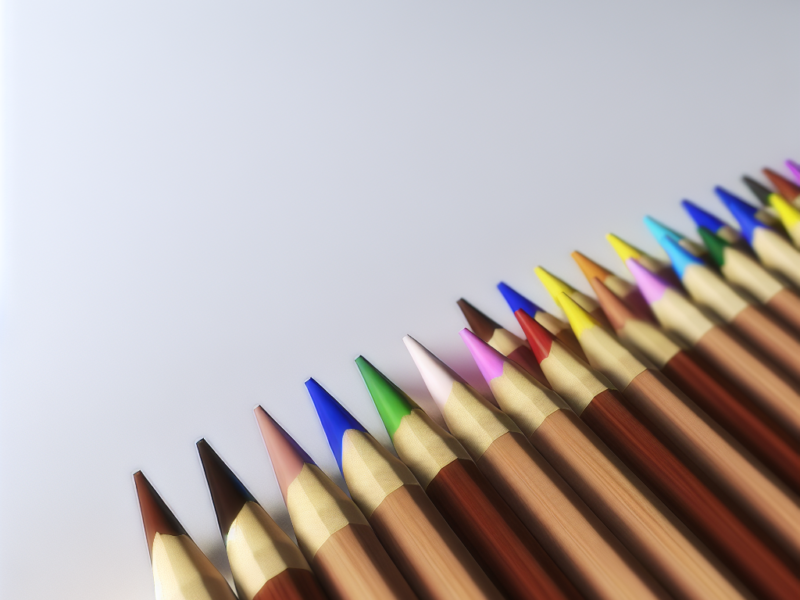
How Colored Pencils Are Made for Art Students
For art students, the humble colored pencil is more than just a tool — it’s an extension of their creative vision. Whether sketching a quick concept or layering colors for a detailed composition, the performance of a colored pencil can significantly impact the final result. But how exactly are these essential tools made? What materials go into them, and how do manufacturers ensure consistency, vibrancy, and sustainability?
This article explores the full journey of colored pencils from raw materials to finished product, with a focus tailored to the needs and interests of art students. We’ll examine the craftsmanship behind each component, the role of quality control, and what makes one pencil stand out from another — not just in color, but in conscience.
Why the Manufacturing Process Matters to Art Students
Understanding how colored pencils are made isn’t just trivia — it’s practical knowledge. For art students, choosing the right materials can affect everything from how colors blend to how long a pencil lasts. More importantly, knowing what goes into a pencil helps students make informed decisions about quality, sustainability, and even cost-effectiveness.
Colored pencils vary widely in their composition and manufacturing techniques. Premium brands often use superior ingredients and more refined processes, which translates to better performance on paper. On the other hand, budget pencils may cut corners with cheaper binders or lower-grade pigments, leading to dull colors and breakage.
Let’s dive into the key stages of production and the materials that define the pencil’s character.
The Wooden Casing: More Than Just a Shell
The wooden body of a colored pencil isn’t just a holder — it plays a crucial role in the pencil’s durability, sharpening behavior, and environmental impact. Manufacturers typically use softwoods like cedar, basswood, or poplar, which are easy to machine and resistant to splitting.
According to Luuk Minkman’s article, high-quality pencils often use incense cedar, prized for its straight grain and smooth sharpening. The wood is first cut into slats, then kiln-dried to reduce moisture content and prevent warping. These slats are grooved to hold the pigment core and later glued together to form the full pencil body.
Environmental concerns are also top of mind. Many manufacturers, including those covered in Johnshen Stationery’s report, now source wood from FSC-certified forests or use recycled materials. For art students who prioritize eco-conscious products, looking for certifications or recycled alternatives is a smart move.
The Core: Where Color Comes to Life
The heart of any colored pencil is its core — the colored rod that delivers pigment to the page. This is where the most significant variation occurs in terms of quality and performance. The core is typically a blend of pigment, binder, and filler, each playing a specific role:
- Pigments: These are finely ground colorants, either organic or inorganic, that determine the hue and lightfastness of the pencil.
- Binders: Usually wax-based or oil-based, binders hold the pigment together and allow it to adhere to paper. Wax cores are softer and blend easily, while oil-based cores are firmer and more precise.
- Fillers: Materials like kaolin (china clay) or talc are added to control texture and hardness.
Premium pencils use a higher ratio of pigment to filler, resulting in more vibrant colors and better layering. For example, brands like Faber-Castell Polychromos (oil-based) and Prismacolor Premier (wax-based) are known for their rich cores and professional performance — ideal for advanced art students.
Mixing and Extruding the Core
The core mixture is blended in large batches, ensuring even pigment distribution. This is a delicate process: too much binder can make the pencil greasy, while too much filler can make it brittle. Once mixed, the paste is extruded through a die to form thin rods. These rods are then dried or baked to harden them, depending on the binder type.
Some manufacturers add specialty ingredients like oils or resins to improve glide and reduce breakage. These enhancements, while subtle, can make a noticeable difference during shading or burnishing — techniques commonly used by art students in realistic rendering.
Assembly: Marrying Core and Casing
Once both the wood slats and pigment cores are ready, the assembly process begins. Grooves are cut into each slat, and the cores are laid in. A second slat is glued on top, sandwiching the core inside. Pressure is applied to ensure a tight bond, and the resulting “pencil sandwich” is allowed to dry.
The dried blocks are then cut into individual pencils and shaped — round, hexagonal, or triangular depending on brand preference. The shape isn’t just aesthetic; it affects grip comfort and rolling behavior on the desk, both of which matter during long drawing sessions.
Finishing Touches: Lacquering and Labeling
The final steps involve sanding the pencils smooth and applying a lacquer coating. This lacquer, often colored to match the core or reflect brand identity, protects the wood from moisture and adds a polished appearance. Multiple coats may be applied for durability and gloss.
Branding and color names are stamped on the barrel, often with foil embossing. For art students, having the color name or number visible is crucial for organization and color matching, especially in large sets.
Quality Control: Ensuring Consistency and Performance
Top-tier manufacturers implement rigorous quality control at every stage. This includes checking pigment dispersion, testing core strength, and ensuring the wood doesn’t splinter during sharpening. Broken cores or inconsistent pigment flow can ruin a drawing — a frustration many students have experienced with lower-quality pencils.
Some brands even conduct lightfastness testing, which measures how well colors resist fading over time. This is especially important for students building portfolios or creating work for exhibitions.
Wax vs. Oil-Based Colored Pencils: What Students Should Know
One of the most important distinctions in colored pencils is the binder type. Here’s a quick comparison to help art students choose:
- Wax-Based: Softer, creamier application; excellent for blending and layering; prone to “wax bloom” (a hazy residue) over time.
- Oil-Based: Firmer, more precise lines; better for detailed work and layering without smudging; more resistant to wax bloom.
Students focused on expressive, painterly techniques may prefer wax-based pencils, while those doing technical or architectural drawing might lean toward oil-based options.
Sustainability in Pencil Production
As environmental awareness grows, many art students are looking for products that align with their values. Fortunately, the colored pencil industry is evolving to meet this demand. Manufacturers are increasingly using:
- FSC-certified or reclaimed wood
- Non-toxic pigments and binders
- Biodegradable or recyclable packaging
Some brands even offer refillable pencil systems or use synthetic casings made from recycled plastics. These innovations not only reduce waste but also raise the standard for eco-conscious design in art supplies.
For more on sustainable materials in colored pencils, refer to Johnshen Stationery’s material overview.
What to Look for When Choosing Colored Pencils
With a better understanding of how colored pencils are made, art students can make more informed choices. Here are some key factors to consider:
- Pigment load: Higher pigment content means richer, more vibrant colors.
- Core strength: A well-bonded core resists breakage during sharpening or drawing.
- Binder type: Choose wax or oil depending on your technique and preference.
- Sharpening ease: Quality wood casings sharpen cleanly without splintering.
- Lightfastness: Especially important for archival or display work.
- Sustainability: Look for eco-labels and responsible sourcing.
Ultimately, the best colored pencil is the one that meets your artistic goals and aligns with your values. Don’t be afraid to test different brands and types — your perfect match may surprise you.
Conclusion: The Art Behind the Tool
Colored pencils may appear simple, but their creation is anything but. From carefully selected woods to finely tuned pigment cores, each pencil is the result of skilled engineering and thoughtful design. For art students, understanding this process isn’t just educational — it’s empowering.
By learning how colored pencils are made, students gain insight into what makes a pencil perform well, how to choose the right materials for their work, and how to support sustainable practices in the art supply industry. In the end, a pencil is more than a stick of color — it’s a tool of expression, shaped by science, craftsmanship, and care.