
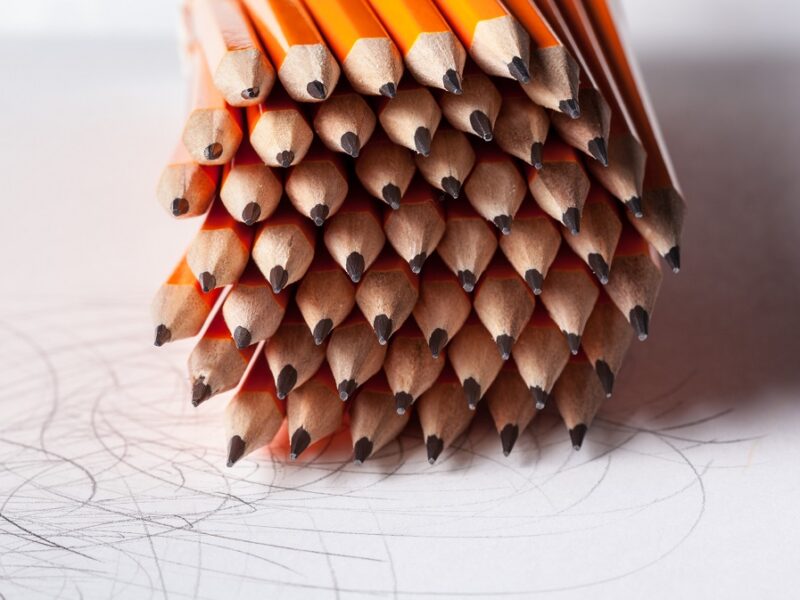
High Quality Basswood Pencils Buying Guide
Whether you’re a student, artist, or stationery enthusiast, choosing the right pencil can make a dramatic difference in your workflow and daily comfort. Among the many options available, high-quality basswood pencils have carved out a reputation for being both affordable and reliable. But what exactly makes a basswood pencil high quality? And how can you tell which ones are worth your investment?
This guide dives deep into the anatomy of basswood pencils, comparing them to other wood types, evaluating their performance in various use cases, and offering practical advice to help you make an informed purchase. If you’re looking to balance cost, comfort, and functionality, read on.
Why Basswood? Understanding the Material
Basswood (also known as linden) is a lightweight, soft hardwood that’s widely used in pencil manufacturing. Its fine, even grain makes it easy to machine and sharpen, which is why it’s commonly found in both budget and mid-tier pencils. But not all basswood pencils are created equal.
According to JetPens’ guide on wooden pencils, basswood is particularly valued for its ease of sharpening and smooth surface, making it a favorite among students and casual sketchers. While it doesn’t have the aromatic appeal of cedar, its neutral scent and clean finish make it a practical alternative.
Comparing Basswood to Other Pencil Woods
To appreciate the strengths of basswood, it helps to compare it with other commonly used woods in pencil manufacturing:
| Wood Type | Sharpening Ease | Durability | Cost | Common Uses |
|---|---|---|---|---|
| Basswood | Excellent | Moderate | Low | School, art, general writing |
| Incense Cedar | Excellent | High | High | Premium writing and art pencils |
| Poplar | Good | Moderate | Low | Budget pencils |
| Jelutong | Moderate | High | Moderate | Artist pencils, carving |
As you can see, basswood strikes a balance between performance and affordability, which is why it’s often found in products that aim to deliver value without compromising too heavily on quality.
What Defines a High-Quality Basswood Pencil?
Not all basswood pencils are equal. The quality depends on several factors beyond just the wood. Here’s what to look for:
- Graphite Core: The heart of the pencil. High-quality basswood pencils feature a centered, smooth graphite core that resists breakage and glides across paper. Look for consistent darkness and minimal smudging.
- Wood Processing: Well-seasoned basswood is less likely to splinter during sharpening. Premium pencils use kiln-dried wood for added stability and smoothness.
- Finish and Lacquer: A smooth, non-toxic lacquer coating not only improves aesthetics but also protects the wood and enhances grip. Matte finishes are preferred for long writing sessions.
- Ferrule and Eraser Quality: In writing pencils, a firm ferrule and a soft, non-smearing eraser add to the overall usability.
The Pencils.com Buying Guide emphasizes that wood quality must be considered alongside graphite formulation and finish to determine the overall performance of a pencil. Basswood, when paired with high-quality graphite, can rival more expensive cedar pencils in performance.
Ideal Use Cases for Basswood Pencils
High-quality basswood pencils are versatile and can be used in a variety of contexts. Let’s explore some of the most common ones:
1. Educational Use
For students, basswood pencils offer an ideal combination of affordability and ease of use. The wood sharpens cleanly, reducing frustration in classrooms, and the pencils are light enough for young hands. The New York Times Wirecutter review highlights the importance of comfort and durability in school pencils — two areas where basswood excels when manufactured to a high standard.
2. Artistic Applications
Artists often require pencils that offer smooth shading and a responsive feel. Basswood pencils, especially in colored varieties, are excellent for layering and blending. The soft texture of the wood ensures that colored cores stay intact during sharpening, which is critical for precision work. As noted by CPencils’ guide, basswood’s pliability makes it ideal for colored pencil applications, where smoothness and control are essential.
3. Everyday Writing
Writers, journalists, and note-takers benefit from the consistent line quality and comfort of high-quality basswood pencils. When paired with a well-balanced graphite core, these pencils can provide hours of fatigue-free writing. The weight and feel are especially important for long sessions, and basswood’s light structure is a natural fit.
How to Identify a Quality Manufacturer
When shopping for basswood pencils, it’s important to consider the brand and its manufacturing standards. Look for companies that disclose their materials and processes, as transparency often correlates with quality. Here are some signs of a reputable manufacturer:
- Detailed product specifications (wood type, graphite grade, finish)
- Consistent product reviews and user feedback
- Compliance with safety and environmental standards (e.g., FSC-certified wood)
- Quality control measures and batch consistency
Manufacturers that invest in kiln-drying their basswood and use centered graphite extrusion processes tend to produce pencils with better sharpening performance and fewer breakages.
Top Brands and Recommendations
While many brands use basswood, only a few have mastered the balance of material quality and craftsmanship. Some notable mentions include:
- Golden Bear #2 Pencils: Made in the USA, these pencils use basswood and are praised for their smooth graphite and sturdy erasers. Recommended by the NYT Wirecutter for school use.
- General’s Semi-Hex: A classic American pencil that uses basswood with a semi-hexagonal shape for comfort and control.
- OEM and Private Label Options: Many Chinese and European manufacturers offer high-quality basswood pencils under OEM contracts, making them a viable option for businesses or schools seeking custom branding.
Tips for Buying High-Quality Basswood Pencils
Here are some practical tips to help you make the best purchase:
- Test Before You Buy: If possible, buy a single pencil or small pack to test the sharpening, writing smoothness, and comfort.
- Check for Centered Graphite: Off-center cores are more likely to break during sharpening and use.
- Look at the Finish: A smooth, even lacquer is a good indicator of attention to detail during manufacturing.
- Evaluate the Eraser: If included, test the eraser for smudging or tearing paper.
Remember, the best basswood pencil is one that fits your specific needs — whether that’s daily writing, sketching, or coloring.
Conclusion: A Smart Choice for Many Users
High-quality basswood pencils are a smart, economical choice for a wide range of users. Their lightweight structure, ease of sharpening, and compatibility with both graphite and colored cores make them a versatile tool in classrooms, studios, and offices alike.
While they may lack the prestige of cedar pencils, basswood models can offer comparable performance when manufactured with care. By understanding what to look for — from core quality to wood processing — you can confidently choose a pencil that meets your expectations without breaking the bank.
For further reading on pencil materials and construction, visit Pencils.com’s Buying Guide or explore Linc Pen’s comprehensive pencil guide for more brand comparisons.