
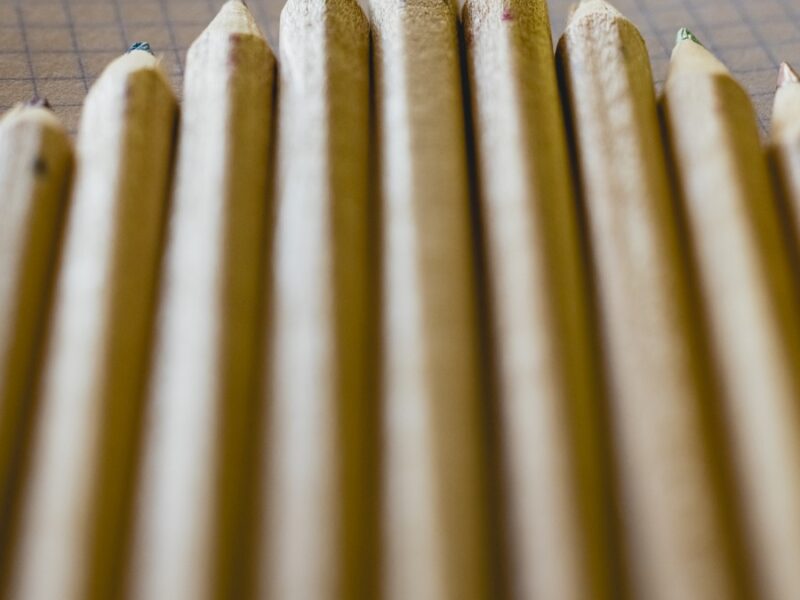
Graphite Pencils for Office Use: Best Choice Explained
In an age dominated by digital tools, the humble pencil still holds its ground—especially in professional environments where clarity, flexibility, and precision matter. Among all writing instruments, graphite pencils stand out as a practical, versatile, and cost-effective choice for office use. Whether you’re sketching out a concept, annotating documents, or taking quick notes during meetings, choosing the right graphite pencil can significantly impact your workflow.
This guide takes a deep dive into why graphite pencils are ideal for office settings, how to choose the best grade for your needs, and what makes them superior to other writing tools in a professional context.
Why Graphite Pencils Belong in Every Office
Graphite pencils are more than just a nostalgic throwback to school days. Their unique properties make them indispensable in modern office environments. Unlike pens, graphite pencils offer a combination of precision, erasability, and control that aligns perfectly with the dynamic nature of office work.
According to Vaessen Creative, graphite pencils are prized for their flexibility and broad tonal range—from light greys to deep blacks—depending on the pressure applied and the grade used. This makes them ideal not only for artistic purposes but also for office tasks where visual clarity and detail are crucial.
Whether you’re drafting a layout, outlining a presentation, or scribbling ideas during a brainstorm, graphite pencils give you the freedom to express and revise without clutter or smudging.
Understanding Graphite Grades: What Works Best in the Office?
One of the most important considerations when choosing a graphite pencil is its grade. Pencil grades range from hard (H) to soft (B), with HB being the standard middle ground. The grade impacts the darkness of the mark, the smoothness of the writing experience, and how easily the graphite erases.
For office use, pencils in the 2B to HB range strike the right balance between legibility and control. As noted by The Gentleman Stationer, darker grades like 2B provide smoother strokes and bolder lines, making them excellent for drafting, outlining, and annotating documents. They glide across the paper effortlessly and produce writing that’s easy to read at a glance.
On the other hand, harder grades (e.g., 2H or 4H) are better suited for fine detailing or situations where minimal smudging is essential. However, they tend to leave lighter marks, which may not be ideal for general office writing.
Erasability and Flexibility: A Major Advantage
One of the defining features of graphite pencils is their erasability—a trait that is particularly valuable in office environments where edits and revisions are part of daily operations. Unlike ink pens, graphite pencils allow for corrections without leaving behind messy cross-outs or requiring white-out.
As highlighted in Winsor & Newton’s guide, graphite pencils are forgiving tools. Their ability to blend smoothly and be erased cleanly makes them ideal for iterative tasks such as planning, diagramming, and reviewing drafts. This flexibility encourages creative thinking and reduces hesitation, knowing that any mark can be easily modified.
Precision and Clarity in Documentation
In professional settings, the clarity of written communication is non-negotiable. Whether you’re jotting down meeting notes, labeling folders, or annotating printed reports, your writing must be legible and sharp.
Graphite pencils, particularly those in the HB to 2B range, produce clean, distinct lines that are easy to read and scan. Their consistent line quality ensures that your notes remain clear even when quickly written. This is especially useful for fast-paced meetings or brainstorming sessions where clarity is key but time is limited.
Additionally, the ability to sharpen a pencil to a fine point ensures that even the smallest annotations or margin notes are precise and visible.
Environmental and Economic Benefits
Beyond performance, graphite pencils also offer practical advantages in terms of cost and sustainability. Unlike disposable pens that dry out or run out of ink, a single pencil can last for weeks or even months, depending on usage. This makes them a more economical choice for large teams or departments.
From an environmental standpoint, many manufacturers now offer pencils made from sustainably sourced wood or recycled materials. Mechanical graphite pencils also reduce waste by allowing users to refill the lead rather than discarding the entire tool. For businesses looking to reduce their environmental footprint, switching to graphite pencils is a small but meaningful step.
Versatility Across Office Roles and Tasks
Different office roles demand different tools. Fortunately, graphite pencils are versatile enough to meet a wide range of needs:
- Designers and architects benefit from soft grades (2B–4B) for sketching and shading.
- Project managers use HB pencils for clean, erasable notes on Gantt charts or whiteboards.
- Administrative staff rely on mechanical pencils with HB leads for consistent writing in logs and forms.
- Writers and editors appreciate the tactile feedback of graphite when marking up printed drafts.
As Interwell’s guide explains, the adaptability of graphite pencils makes them a smart choice for any professional setting. Their graded versatility ensures that whether you’re sketching ideas or finalizing plans, there’s a pencil that fits the task.
Mechanical vs. Traditional Graphite Pencils
When choosing a graphite pencil for office use, you’ll also need to consider the format: traditional wood-cased pencils or mechanical pencils. Each has its own advantages:
Traditional graphite pencils offer a tactile, analog experience. They can be sharpened to a fine point or left slightly blunt for broader strokes. They’re ideal for those who value control and variation in line thickness.
Mechanical pencils, on the other hand, provide a consistent writing experience without the need for sharpening. They’re great for fast-paced environments where convenience and uniformity are priorities. Most mechanical pencils use 0.5mm or 0.7mm HB leads, which are perfect for standard note-taking and form-filling.
Ultimately, the choice depends on personal preference and the nature of your tasks. Many professionals keep both types at their desks to switch between them as needed.
Tips for Choosing the Right Graphite Pencil for Your Office
Here are a few practical tips to help you select the best graphite pencil for your office needs:
- Stick with medium grades like HB or 2B for general writing and note-taking.
- Use softer grades (3B–6B) for sketching, shading, or expressive work.
- Harder grades (H–2H) are best for fine lines and drafting.
- Opt for mechanical pencils if you prefer a consistent line width and minimal maintenance.
- Choose eco-friendly brands that use FSC-certified wood or recycled materials.
Having a small variety of pencils on hand allows team members to choose the tool that best suits their specific workflow.
Final Thoughts: A Small Tool with Big Impact
In an office environment where precision, adaptability, and clarity are essential, graphite pencils deliver on all fronts. They’re not just relics of the past—they’re intelligent tools for modern professionals who value flexibility and efficiency.
From their graded versatility to their erasable convenience, graphite pencils remain a top-tier choice for a wide range of office tasks. Whether you’re equipping a creative studio or a corporate boardroom, investing in high-quality graphite pencils is a small decision that can make a big difference in daily productivity.
Ready to upgrade your stationery drawer? Explore premium graphite pencil options tailored for office use and experience the difference firsthand.