
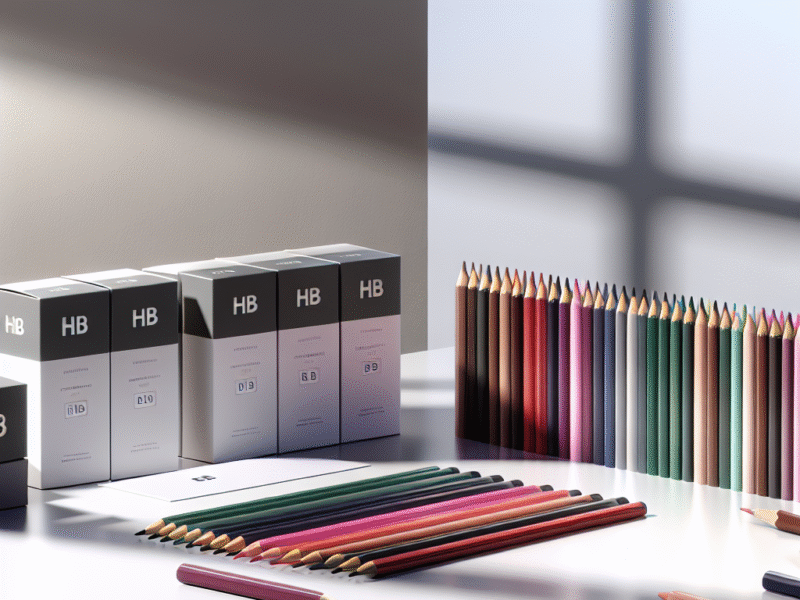
In the world of construction and woodworking, precision and efficiency are everything. Whether you’re framing a house or crafting custom cabinetry, the tools you choose can make or break your workflow. Among the often-overlooked essentials is the humble carpenter pencil — a marking tool that’s been a job site staple for generations. But when you’re sourcing supplies for a crew or outfitting your hardware store, buying in bulk from a carpenter pencils factory direct supplier can offer major advantages in cost, quality, and consistency.
Why Carpenter Pencils Remain a Job Site Essential
Unlike standard round pencils, carpenter pencils are flat and wide, designed specifically for the rugged conditions of construction environments. The flat shape prevents them from rolling off uneven surfaces, while the thicker graphite core can mark on rough materials like wood, concrete, and stone. These features make carpenter pencils indispensable for framing crews, drywall installers, and finish carpenters alike.
But not all carpenter pencils are created equal. Quality varies significantly depending on the graphite formulation, wood casing, and manufacturing precision. For businesses that depend on efficiency and durability, sourcing directly from a factory ensures a consistent product that meets professional standards.
What Does “Factory Direct” Really Mean?
Buying factory direct means purchasing products straight from the manufacturer, bypassing distributors and middlemen. This model offers several advantages:
- Cost Savings: By cutting out intermediaries, buyers can access wholesale pricing and avoid retail markups.
- Customization: Factories often provide options for OEM (Original Equipment Manufacturer) orders, allowing businesses to add logos, choose colors, or request specific packaging.
- Supply Chain Control: Direct relationships with manufacturers reduce lead times and improve inventory planning.
For high-volume users such as construction firms, hardware retailers, and promotional product companies, these benefits translate into measurable value.
Bulk Buying: A Strategic Move for Professionals
Bulk purchasing isn’t just about saving a few dollars — it’s about ensuring your team has the tools they need without interruption. A great example of this strategy in action is the wholesale offering from Dixon, a trusted name in writing instruments for over a century.
One of their most popular bulk options is the Economy Flat Carpenter Pencil, available in large quantities via suppliers like Bulk Office Supply. These pencils feature medium points and red lead, ideal for high-visibility marking. With a minimum order of 120 dozen, businesses unlock significant volume discounts, along with perks like free shipping on orders over $55 and a 30-day return policy.
This type of procurement model is ideal for:
- Construction firms managing multiple job sites
- Retailers stocking seasonal or promotional inventory
- Marketing teams sourcing branded giveaways
For more on this offering, you can visit the product page at Bulk Office Supply.
Understanding Carpenter Pencil Construction
To appreciate the value of buying from a carpenter pencils factory direct source, it helps to understand how these tools are made. A typical carpenter pencil consists of three main components:
| Component | Function | Quality Consideration |
|---|---|---|
| Wood Casing | Holds the graphite core and provides structure | Hardwoods like cedar resist splitting and sharpen cleanly |
| Graphite Core | Marks surfaces with consistent pressure | Balanced hardness ensures visibility without smudging |
| Shape (Flat Oval) | Prevents rolling and improves grip | Precision cutting ensures uniformity across batches |
Factories that specialize in carpenter pencils invest in equipment that delivers consistent dimensions and core alignment — key factors in how well the pencil performs on-site. In contrast, lower-quality imports often suffer from off-center leads or brittle wood that splinters during sharpening.
Key Factors to Evaluate in a Factory Supplier
When sourcing directly from a manufacturer, it’s important to evaluate more than just price. Here are five critical criteria to consider:
- Material Quality: Ask about the type of wood and graphite used. Premium pencils often use incense cedar or basswood.
- Manufacturing Standards: Look for ISO certifications or quality control protocols that ensure consistency.
- Customization Capabilities: Can the factory add your logo, adjust lead hardness, or offer unique colors?
- Minimum Order Quantities (MOQs): Ensure the factory’s MOQ aligns with your purchasing volume.
- Lead Time and Logistics: Understand production timelines and shipping options — especially for international orders.
Establishing a direct relationship with a reliable factory can result in long-term savings and a steady supply of high-quality marking tools. If you’re new to sourcing, platforms like Alibaba can be a starting point for comparing manufacturers.
OEM & Branding Opportunities
For hardware stores, tool brands, or promotional product agencies, OEM carpenter pencils represent a unique branding opportunity. Factories often offer screen printing or hot stamping services, allowing you to place your logo or messaging on each pencil. This turns a functional tool into a mobile advertisement — one that’s seen daily on job sites, in tool belts, and on workbenches.
Some factories also offer packaging customization, such as shrink-wrapped dozen packs or branded cardboard boxes, which can enhance retail presentation or gift appeal.
Environmental Considerations in Pencil Sourcing
As sustainability becomes a key concern across industries, many companies are re-evaluating their supply chains. Pencil manufacturing is no exception. Look for factories that source FSC-certified wood or use recycled materials. Some manufacturers also offer graphite alternatives made from clay or synthetic compounds that reduce environmental impact.
Using sustainable carpenter pencils not only supports eco-friendly practices but can also be a differentiator in your marketing — especially if your company is bidding on green-certified construction projects.
How to Calculate the ROI of Bulk Pencil Procurement
If you’re managing purchasing for a business, it’s worth quantifying the return on investment (ROI) of buying carpenter pencils in bulk. Consider the following:
- Unit Cost Savings: Bulk orders can reduce per-pencil costs by 30–50% compared to retail.
- Reduced Downtime: Having a steady supply on hand prevents project delays due to missing tools.
- Brand Exposure: Custom-printed pencils act as long-term marketing assets.
For example, if your crew uses 1,000 pencils per month and you save $0.20 per pencil by buying factory direct, that’s $2,400 in annual savings — not including the added value of custom branding or improved quality.
Tips for First-Time Bulk Buyers
If you’re considering your first bulk order from a factory, here are a few tips to ensure success:
- Request Samples: Always test a few pencils before committing to a large order.
- Clarify Specs: Provide clear instructions on lead hardness, casing color, and branding.
- Negotiate Terms: Ask about payment terms, shipping options, and defect policies.
- Plan Ahead: Factor in production and shipping time, especially for overseas factories.
Taking a proactive approach to communication and planning can help you avoid common pitfalls and build a lasting supplier relationship.
Conclusion: Elevate Your Supply Chain with Direct Sourcing
In a fast-paced industry where margins are tight and timelines are critical, sourcing carpenter pencils directly from the factory can deliver a competitive edge. From cost savings and customization to quality assurance and sustainability, this procurement strategy aligns with the needs of modern construction professionals and retailers alike.
Whether you’re outfitting a national brand or a local crew, the right pencil — sourced the right way — can sharpen your business just as effectively as it marks your measurements. For further insights on high-volume office and construction supplies, explore resources like Staples’ carpenter pencil section or Uline’s industrial tools catalog.