
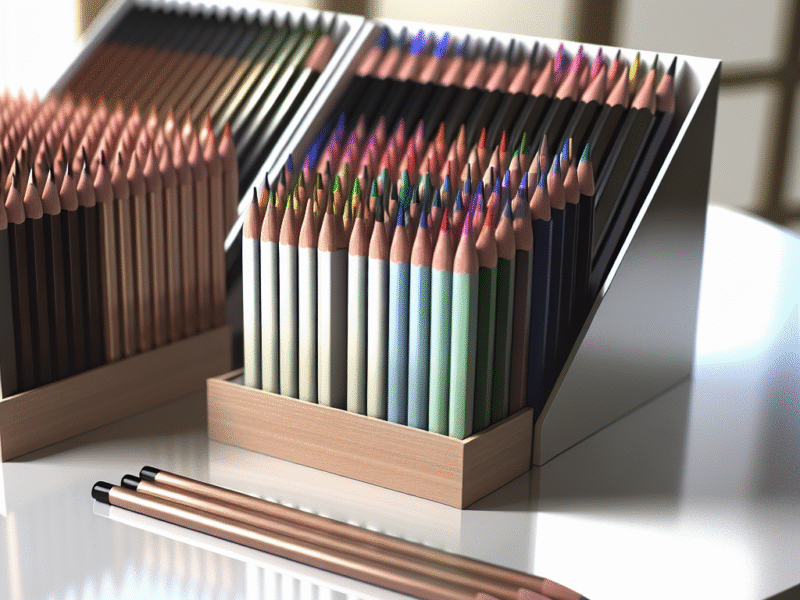
Whether you’re a seasoned artist, a student filling pages with notes, or a manufacturer sourcing raw materials, understanding what sets exceptional pencils apart is crucial. Among the many options available, basswood pencils have earned a reputation for their smooth performance, consistent quality, and ease of sharpening. But not all basswood pencils are created equal. This guide explores what defines high-quality basswood pencils, how to identify them, and why they matter for both everyday users and professionals in the stationery and art supply industries.
Why Basswood? The Material Behind the Performance
Basswood, a lightweight hardwood from the Tilia genus, is prized in pencil manufacturing for its softness, fine grain, and workability. Unlike cedar, which is more aromatic and slightly denser, basswood offers a more sustainable and cost-effective alternative without compromising on functionality.
Its uniform texture makes it ideal for precise machining, leading to cleaner cuts and smoother finishes during production. For end users, this translates to pencils that sharpen easily and don’t splinter—a critical feature for artists and students alike.
According to Durzer Pencil, the consistency of the wood grain in basswood pencils is essential. Inconsistent grain patterns can cause leads to break during sharpening or result in uneven wear, which affects writing and drawing quality. Manufacturers carefully select basswood with straight, tight grains to ensure structural integrity and performance.
Core Components: Graphite Quality and Centering
While the wood casing is important, the heart of any pencil lies in its core. A high-quality basswood pencil will feature a graphite core that is smooth, well-centered, and appropriately bonded to the wood.
Core centering is not just a manufacturing detail—it directly affects usability. Off-center graphite can lead to frequent breakage, uneven sharpening, and poor control. As noted in the Hongzintai Pencil Buying Guide, a centered core ensures even pressure distribution while writing or drawing, enhancing both comfort and line uniformity.
Additionally, the graphite composition—typically a mix of graphite and clay—determines the pencil’s darkness and hardness. The higher the graphite content, the softer and darker the line; more clay results in a harder, lighter mark. The balance of these materials is refined for specific use cases, such as sketching, shading, or academic writing.
| Graphite Grade | Hardness | Ideal Use |
|---|---|---|
| 2H–4H | Hard | Technical drawing, fine lines |
| HB | Medium | General writing, schoolwork |
| 2B–6B | Soft | Shading, sketching |
For more on graphite grades and artistic application, check out BLICK’s drawing pencil guide.
Finish and Design: More Than Aesthetics
The outer finish of a pencil isn’t just for show. A smooth lacquer coating not only enhances appearance but also protects the wood from moisture and improves grip. High-quality basswood pencils often feature multiple coats of lacquer to ensure durability and a premium feel. Some may include ergonomic shapes, such as triangular or hexagonal barrels, to reduce hand fatigue during extended use.
Shape also plays a practical role. Hexagonal pencils resist rolling off desks, while round pencils are often preferred by artists for their comfort in dynamic hand movements. The finish should be free from bubbles, chips, or uneven application—signs of rushed or low-quality production.
Sharpening Experience: A Telltale Sign of Quality
One of the most immediate indicators of pencil quality is how it sharpens. Basswood’s softness and fine grain allow for clean, even sharpening without splintering. If you find that your pencil frequently breaks during sharpening, it may be due to poor bonding between the graphite and wood or subpar wood selection with inconsistent grain.
As explained in the Pencils.com buying guide, premium pencils are bonded using specialized adhesives that secure the core to the wood along the entire length of the pencil. This full-length bonding minimizes the risk of core breakage and ensures a longer-lasting product.
Understanding Lead Grades: Choosing the Right Pencil
Whether you’re sketching a portrait or filling out a test sheet, the right lead grade makes all the difference. Basswood pencils come in a full range of grades, from 9H (extremely hard) to 9B (extremely soft). The most common for general writing is HB or No. 2, which offers a balanced blend of darkness and durability.
In fact, the New York Times Wirecutter review highlights the No. 2 pencil as the standard for schoolwork and everyday writing due to its reliable performance and minimal smudging. For artists, however, having access to a full range of grades allows for greater expression and technique.
Manufacturing Insights: What OEM Buyers Should Know
For manufacturers and OEM buyers, sourcing high-quality basswood pencils involves more than just material selection. It requires an understanding of the entire production process—from wood drying and slat cutting to core extrusion and bonding.
Key quality control points include:
- Moisture content of the basswood (ideally 6–8%) to prevent warping
- Precision in slat grooving and core placement
- Use of eco-friendly adhesives and finishes
- Consistent lacquer application and drying cycles
OEM buyers should request samples and conduct sharpening and breakage tests before committing to large orders. Partnering with reputable factories that prioritize raw material inspection and process control is essential for maintaining brand integrity and customer satisfaction.
Common Pitfalls in Low-Quality Pencils
Not all pencils labeled “basswood” meet high standards. Common issues in lower-tier products include:
- Off-center cores leading to uneven sharpening
- Splintering wood due to poor grain selection
- Inconsistent graphite composition causing scratchy lines
- Weak bonding, resulting in frequent lead breakage
These problems often arise from cost-cutting measures in raw material sourcing or manufacturing shortcuts. While such pencils may be cheaper upfront, their performance and longevity suffer, making them a poor investment in the long term.
Environmental and Ethical Considerations
With growing awareness of sustainability, many manufacturers are turning to responsibly sourced basswood and eco-friendly production methods. Look for certifications such as FSC (Forest Stewardship Council) or PEFC (Programme for the Endorsement of Forest Certification) to ensure that the wood used in your pencils comes from responsibly managed forests.
Additionally, water-based lacquers and non-toxic adhesives are becoming standard in premium pencil production, offering safer products for children and artists alike. Ethical labor practices in pencil factories are another consideration for conscientious brands and consumers.
Who Benefits Most from Premium Basswood Pencils?
High-quality basswood pencils are ideal for a wide range of users:
- Artists benefit from the smooth graphite flow and range of lead grades for sketching, shading, and detailing.
- Students enjoy reliable performance during exams and note-taking without dealing with broken leads or splintered wood.
- Designers and architects require precision tools for technical drawings where line control is paramount.
- OEM buyers seek consistency, durability, and brand reputation in their private-label pencil offerings.
For each of these groups, investing in quality pays off in performance, reliability, and overall user satisfaction.
How to Identify a High-Quality Basswood Pencil
When evaluating pencils, keep an eye out for the following characteristics:
- Even, smooth lacquer finish with no visible defects
- Centered graphite core when viewed from both ends
- Clean, splinter-free sharpening experience
- Minimal graphite dust or smudging during use
- Manufacturer transparency about materials and processes
Testing a pencil yourself remains one of the most effective ways to judge quality. A few strokes on paper can reveal a lot about graphite smoothness, pressure sensitivity, and overall feel.
Conclusion: The Value of Choosing Quality
In a world filled with disposable tools, a well-made pencil still holds its place as a reliable, tactile, and expressive instrument. From the raw basswood to the final lacquered finish, every detail matters in crafting a pencil that performs consistently and feels good in the hand. Whether you’re drawing your next masterpiece or jotting down ideas in a notebook, high-quality basswood pencils offer a superior experience worth seeking out.
For those looking to explore further or source products with confidence, the following resources provide additional industry insights:
In choosing the right pencil, you’re not just selecting a tool—you’re investing in performance, precision, and the joy of creation.