
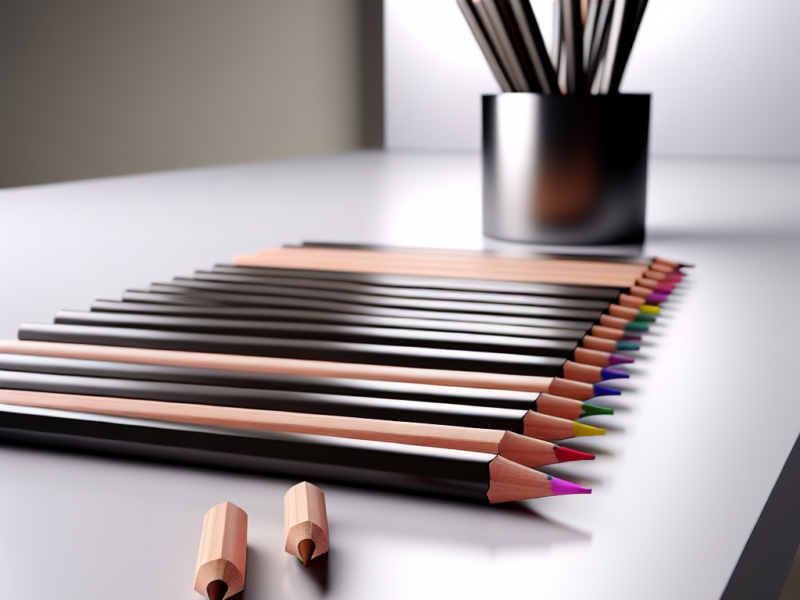
Best Thailand Wooden Pencils for Schools Compared
When it comes to equipping classrooms with reliable writing instruments, not all pencils are created equal. For schools in Thailand and those sourcing from Thai manufacturers, choosing the right wooden pencil is a decision that impacts both budget and student performance. With the rising demand for quality yet affordable school supplies, understanding the differences between common pencil brands and manufacturers is essential.
In this comparison, we delve into the Thailand wooden pencils market, focusing on options best suited for educational use. Whether you’re a procurement officer for a school district or a parent looking for dependable tools for your child, this guide will help you make an informed decision based on durability, material quality, writing performance, and price.
What Makes a Good School Pencil?
Before diving into specific Thai brands, it’s important to define what makes a wooden pencil ideal for school use. According to The New York Times Wirecutter, the best pencils for classrooms strike a balance between comfort, durability, and cost-effectiveness. Here are the key attributes to evaluate:
- Wood Type: Premium pencils use Incense-cedar, offering smooth sharpening and longer point retention. Budget models may use Basswood or Poplar, which are softer and more prone to splintering.
- Graphite Quality: A good #2/HB pencil should write smoothly without too much pressure and erase cleanly.
- Durability: Pencils should withstand frequent sharpening and student handling without breaking easily.
- Ergonomics: Hexagonal barrels prevent rolling off desks and are easier for young students to grip.
With these criteria in mind, let’s explore how Thailand’s top wooden pencil suppliers stack up for school use.
Top Thailand Wooden Pencil Brands for Schools
Thailand hosts several established pencil manufacturers, many of which supply both domestic and international markets. Below is a comparison of leading brands and OEM producers offering school-grade wooden pencils.
| Brand / Manufacturer | Wood Type | Graphite Grade | Key Features | Best For |
|---|---|---|---|---|
| Seahorse Brand | Basswood | #2 / HB | Affordable, widely available, standard eraser | Public schools with tight budgets |
| Double A | Recycled wood composite | #2 / HB | Eco-friendly, smooth writing, consistent quality | Eco-conscious schools |
| Master Art | Poplar | #2 / HB | Bright colors, student-friendly design | Elementary schools |
| OEM Manufacturers (e.g., Thai Stationery Co.) | Custom (Basswood / Cedar) | Customizable | Bulk orders, private labeling, export quality | School districts & wholesalers |
1. Seahorse Brand – Thailand’s Budget Workhorse
Horse is one of Thailand’s most recognized stationery brands, and its pencils are a staple in many classrooms. Made from Basswood, Seahorse pencils are designed for cost efficiency. While they may not match the premium feel of cedar pencils, they offer acceptable performance for everyday writing tasks.
Teachers appreciate their accessibility and consistent supply, though the erasers can be hit or miss. These pencils are best for schools needing large volumes on a limited budget. Their hexagonal shape and standard graphite make them a dependable choice for general use.
2. Double A – Eco-Friendly and Smooth Writing
Known primarily for its paper products, Double A also produces wooden pencils using recycled composite wood. These pencils are gaining popularity for their environmental credentials and smooth graphite performance. The writing experience is notably better than many budget options, with a clean, dark line and minimal smudging.
Although slightly more expensive than Horse, Double A pencils appeal to schools with sustainability goals. Their eco-conscious branding also makes them a great fit for green-certified institutions.
3. Master Art – Designed for Younger Students
Master Art focuses on visual appeal, offering brightly colored pencils that are popular in primary schools. While the wood quality (usually Poplar) is not top-tier, the brand compensates with ergonomic designs and kid-friendly aesthetics. These pencils often come with soft erasers and fun packaging, making them ideal for younger students just learning to write.
Performance-wise, they are on par with other mid-range options, but their appeal lies in their presentation and ease of use for small hands. They’re a favorite among teachers in kindergarten and lower primary levels.
4. OEM Pencil Manufacturers – Tailored for Bulk and Export
Thailand is home to several OEM pencil producers that offer private-label manufacturing for export and institutional use. Companies like Thai Stationery Co. and others provide pencils made from Basswood or even Incense-cedar for premium lines. These manufacturers allow customization in terms of barrel design, imprinting, graphite grade, and packaging.
For school districts or procurement agencies looking to order in bulk, OEM suppliers offer the best value per unit. Their pencils can be tailored to meet specific educational standards, including ASTM D4236 or EN71 safety certifications. This flexibility makes them a top choice for international buyers and large institutions.
How Do Thailand Pencils Compare Globally?
To put Thai pencils into global context, it helps to reference internationally recognized brands. According to JetPens, brands like Blackwing, Staedtler, and Uni Mitsubishi offer superior writing experiences, but at a significantly higher price point. These pencils use premium Incense-cedar wood and high-grade graphite, delivering exceptional smoothness and durability.
However, for standard school use, the performance gap between Thai pencils and top-tier imports may not justify the cost difference. As We Are Teachers notes, even budget-friendly pencils like Ticonderoga can meet classroom needs effectively. Thai pencils, especially from OEMs, can match this quality when manufactured with high-grade materials.
Material Matters: The Role of Wood in Pencil Quality
One of the most overlooked aspects of pencil selection is the type of wood used. As detailed in the Pencils.com buying guide, wood type affects sharpening, durability, and even the writing feel.
- Incense-Cedar: Offers smooth sharpening, resists splintering, and holds a point longer. Often used in premium pencils.
- Basswood: More affordable, but softer and more prone to chipping.
- Poplar: Lightweight and easy to shape, but less durable under pressure.
Thai pencil manufacturers primarily use Basswood or Poplar due to cost and availability. However, OEM options may allow for upgrades to cedar for premium lines. For schools seeking better longevity and writing performance, wood type should be a key consideration.
Key Takeaways for Schools and Buyers
Choosing the right Thailand wooden pencils for schools involves more than just picking the cheapest option. Here’s a quick summary to guide your decision:
- Budget-Conscious Schools: Opt for Horse or Master Art for affordable, functional pencils.
- Eco-Friendly Initiatives: Double A offers a sustainable and smooth-writing alternative.
- Bulk Procurement: Consider OEM manufacturers for tailored, cost-effective solutions.
- Premium Performance: Look for options made with Incense-cedar if quality is a top priority.
Ultimately, the best pencil is the one that aligns with your school’s priorities—be it cost, sustainability, or writing performance. With Thailand’s diverse pencil manufacturing landscape, there’s a solution for every classroom need.
Final Thoughts
Thailand’s wooden pencil industry offers a wide range of options tailored to educational use. From budget-friendly staples to customizable OEM solutions, schools can find pencils that meet both performance standards and financial constraints. By understanding the materials, design, and use cases, educational institutions can make smarter purchasing decisions that benefit both teachers and students.
For further insights into pencil quality and performance, explore the comprehensive guides from Wirecutter and JetPens—two trusted resources in stationery reviews.