
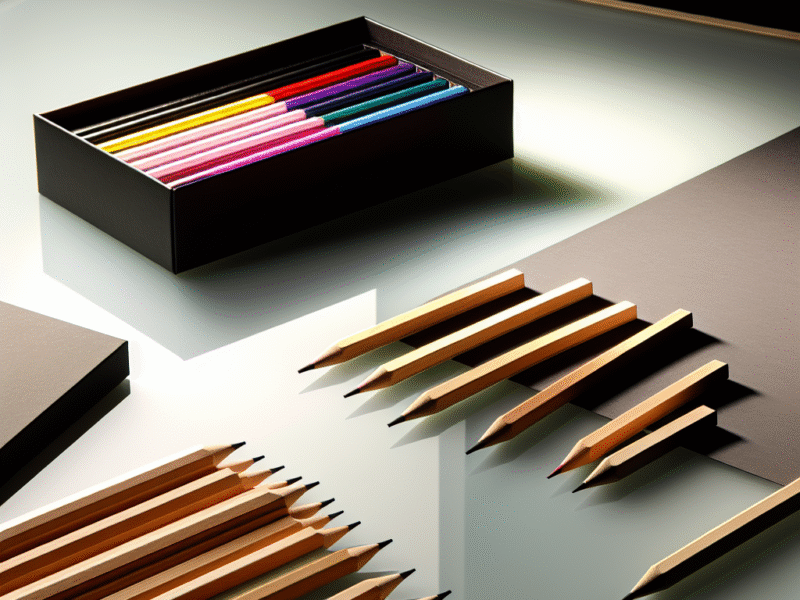
Whether you’re framing a house, installing cabinetry, or handling trim work, the humble carpenter pencil remains a staple in every toolbox. But for professionals and serious DIYers, not just any pencil will do. Large size carpenter pencils offer greater durability, better grip, and longer-lasting lead—making them an essential upgrade for anyone who values efficiency and precision on the job site.
This guide dives deep into the best options on the market, offering real-world reviews, practical usage tips, and expert insights into what makes a carpenter pencil truly jobsite-worthy. We’ll also explore how innovations in design and materials are reshaping this classic tool for modern workflows.
Why Size and Shape Matter in Carpenter Pencils
Carpenter pencils are distinguished by their flat, oval shape. This design prevents them from rolling off surfaces and makes them easier to grip, especially when wearing gloves. But the benefits of a large size carpenter pencil go beyond ergonomics.
- Wider lead core: Allows for thick, visible marks on rough surfaces like concrete, wood, or drywall.
- Stronger body: Resists breaking under pressure or in a tool belt.
- Longer lifespan: Larger pencils don’t need sharpening as often, saving time on the job.
For professionals who spend hours marking measurements, cuts, and layouts, these advantages translate into tangible productivity gains.
Top-Rated Large Carpenter Pencils: Real-World Reviews
We’ve scoured contractor forums, woodworking communities, and job site feedback to bring you the most trusted brands and models. Here’s a breakdown of top performers based on durability, mark quality, and user satisfaction.
| Brand | Key Features | Best For | User Feedback |
|---|---|---|---|
| Bon Tool 14-556 | Extra-thick lead, durable wood casing | Framing and rough carpentry | Praised for longevity and mark visibility |
| Irwin Strait-Line | Medium-soft lead, ergonomic shape | General construction | Reliable across multiple surfaces |
| Swanson CP216 AlwaysSharp | Mechanical design, refillable lead | Precision trim work | Popular for never needing sharpening |
| C.H. Hanson 00200 | Traditional wood, bold marks | Concrete and masonry | Strong lead, withstands rough use |
Among these, the Bon Tool 14-556 stands out for its rugged design and lead that “just doesn’t quit,” according to one seasoned contractor on Contractor Talk. Users report using a single pencil for weeks without sharpening, making it a favorite for heavy-duty framing and layout work.
Mechanical vs. Traditional: Which Style is Right for You?
While wood-cased carpenter pencils remain the industry standard, mechanical models are gaining traction—especially among trim carpenters and finishers who need fine, consistent lines.
In a discussion on Woodworking for Beginners, many users praised mechanical options like the Pica-Dry or Swanson AlwaysSharp. These models offer:
- Consistent line width
- Refillable leads (typically 2.8mm or 0.9mm)
- Built-in sharpening mechanisms
One woodworker noted that the 0.9mm lead was “perfect for scribing fine cuts on hardwood,” while another appreciated not having to carry a knife or sharpener. However, mechanical pencils tend to be pricier and may not perform as well on rough surfaces like OSB or concrete.
What to Look for When Choosing a Large Carpenter Pencil
Not all carpenter pencils are created equal. Here are the key factors to consider when selecting the right tool for your trade:
1. Lead Hardness
Leads come in various hardness levels—softer leads make darker marks but wear down faster. Harder leads last longer but may be harder to see. For general use, a medium lead (HB or H) strikes a good balance.
2. Wood Quality
High-quality pencils use hardwood casings like cedar, which sharpen cleanly and resist splitting. Cheaper models often use softwood or composite materials that crumble or splinter.
3. Ergonomics
The best carpenter pencils fit naturally in your hand and offer enough surface area for a firm grip. Oversized models are especially helpful for gloved work or long days on site.
4. Sharpening Method
Some pencils are easier to sharpen than others. Traditionalists prefer using a utility knife for a custom chisel point, while others opt for dedicated pencil sharpeners or mechanical refills to avoid the mess altogether.
Tips for Getting the Most Out of Your Carpenter Pencil
Even the best pencil won’t perform well if used improperly. Here are some pro tips to extend its life and improve your marking accuracy:
- Sharpen to a flat chisel point for broad, visible marks on rough surfaces.
- Use a fine tip (mechanical or knife-sharpened) for detailed layout or trim lines.
- Store pencils in a rigid sleeve or holster to prevent breakage in your tool belt.
- Mark with the grain when working on wood to reduce smudging and improve clarity.
- Keep a backup on hand—different jobs may require different marking styles or lead types.
How Manufacturing Quality Affects Performance
Behind every great carpenter pencil is a precise manufacturing process. Premium pencils are typically crafted from kiln-dried cedar, which resists warping and sharpens cleanly. The lead is extruded under high pressure to ensure density and uniformity, reducing the risk of breakage during marking.
Some brands also bond the lead to the wood casing using a proprietary adhesive. This prevents the core from shifting or falling out when dropped—a common issue with low-cost imports. Manufacturers like General Pencil and Dixon Ticonderoga have maintained legacy production standards that ensure consistency across batches.
Where to Buy and What to Avoid
While large carpenter pencils are available at most hardware stores, quality can vary widely. Bulk packs from big-box retailers may seem like a bargain but often use inferior wood and brittle lead. For best results, purchase from specialty tool suppliers or trusted online retailers.
Be wary of:
- Unbranded packs with uneven lead cores
- Pencils with softwood or plastic casings
- Leads that crumble or smudge easily
For professional tradespeople, investing in a $1.50 pencil that lasts weeks is far more cost-effective than burning through a dozen cheap ones in a day.
Community Insights: What the Pros Are Saying
In a Garage Journal thread, users shared nuanced opinions about their preferred pencils. One veteran framer said he’s “tried them all” but keeps coming back to the Bon Tool model for its unbeatable lead life. Another mentioned that switching to a mechanical pencil “cut down on sharpening time by 90%.”
These firsthand experiences are invaluable, especially for those new to the trades. They highlight that the best carpenter pencil isn’t just a tool—it’s a workflow enhancer. Choosing the right model can reduce downtime, improve accuracy, and even prevent hand fatigue over long shifts.
Final Thoughts: Choosing the Right Tool for the Job
At the end of the day, the best carpenter pencil is the one that fits your work style and environment. Whether you prefer the classic feel of a wood-cased pencil or the high-tech convenience of a mechanical model, there’s a large size carpenter pencil out there that will make your job easier and more efficient.
By focusing on lead quality, build materials, and ergonomic design, you can ensure that your pencil works as hard as you do. And with insights from real-world users and tradespeople, you’re equipped to make an informed decision that supports your craft—whether you’re framing a house or finishing fine furniture.