
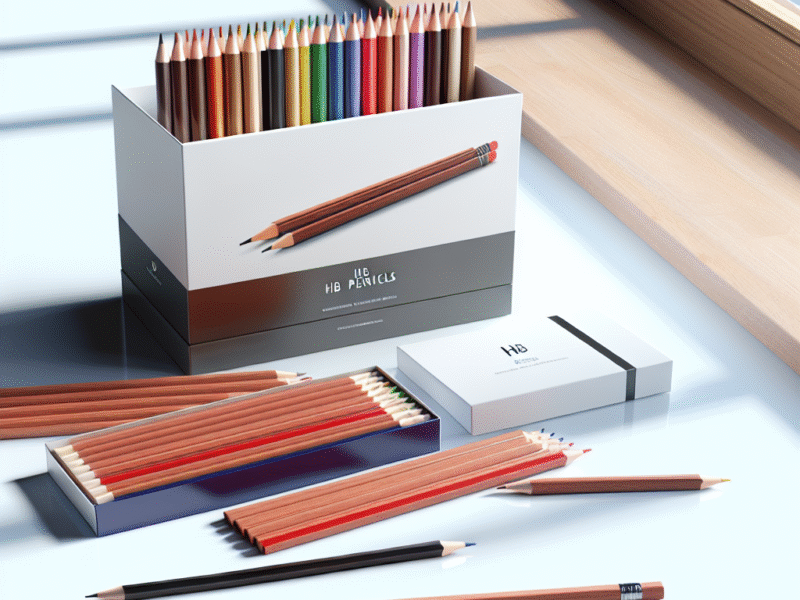
When it comes to standardized testing, few tools are as iconic—or as critical—as the humble pencil. Yet not all pencils are created equal. Whether you’re prepping for the SATs, ACTs, or any scantron-based exam, choosing the right pencil can make a surprising difference in performance. Among the many options available, B #2 graphite pencils for tests have emerged as a reliable favorite. But what exactly makes them ideal for test-taking, and how do they compare to other grades?
This guide breaks down everything you need to know about selecting the right B #2 pencil for academic testing. From graphite composition to lead hardness and brand reliability, we’ll explore the science and strategy behind this essential writing tool—helping you make a confident, informed purchase decision.
Understanding Pencil Grades: What Does B #2 Really Mean?
To make sense of the B #2 designation, it’s important to understand how pencil hardness is graded. The U.S. system uses numbers—#1, #2, #3, etc.—while the international system uses letters like H (hard), B (black), and HB (a balance of both). A #2 pencil in the American system is roughly equivalent to an HB in the international scale, but the term “B #2” can sometimes refer to a slightly softer variation—closer to a 2B grade.
This distinction is important. Softer leads, like B and 2B, produce darker marks, which are more easily detected by optical scanners used in standardized tests. However, they also smudge more easily and wear down faster. On the other hand, harder leads like H and 2H stay sharp longer but produce lighter marks that may not be picked up reliably by scanning machines.
According to Faber-Castell’s guide to pencil hardness, 2B pencils strike a sweet spot for many users: dark enough for visibility, yet soft enough to glide smoothly over the page. This makes them a popular choice not just for artists, but also for students looking for consistent performance during long testing sessions.
Why Standardized Tests Require Specific Pencils
Scantron and other optical mark recognition (OMR) systems rely on detecting the contrast between the paper and the filled-in answer bubbles. If the graphite is too light, the machine may not register the mark, leading to incorrect scoring. This is why test instructions often specify the use of #2 pencils.
The Raymond Geddes blog explains that #2 pencils are favored in education because they offer a balance of legibility and durability. Their medium hardness allows for clean, readable marks without frequent sharpening—ideal for time-sensitive test environments.
Interestingly, some modern B #2 pencils are engineered to perform even better than traditional #2s. With slightly softer graphite (closer to 2B), they produce darker lines with less pressure, reducing hand fatigue during long exams. However, it’s crucial to ensure that these pencils still meet the scantron readability standard.
Top Features to Look for in B #2 Pencils for Testing
When shopping for the best B #2 pencils for academic use, consider the following attributes:
- Graphite Quality: Look for high-purity graphite that lays down consistent, dark lines without excessive smudging.
- Core Strength: Softer pencils can break easily under pressure. Choose brands known for durable, well-bonded graphite cores.
- Ergonomics: A comfortable grip and balanced weight can make a big difference during extended use.
- Eraser Performance: Built-in erasers should be soft, non-abrasive, and capable of cleanly removing marks without tearing the paper.
- Scantron Compatibility: Always verify that the pencil produces marks dark enough to be recognized by test-scoring machines.
Best B #2 Pencils for Test-Takers: Top Picks
Based on quality, performance, and user feedback, here are some of the most trusted B #2 pencils for standardized testing:
| Brand | Model | Key Features | Ideal For |
|---|---|---|---|
| Dixon | Ticonderoga B #2 | High-quality cedar wood, latex-free eraser, ultra-smooth graphite | Students seeking reliability and comfort |
| Faber-Castell | Grip 2001 B #2 | Triangular ergonomic grip, break-resistant lead, dark marks | Long testing sessions with minimal fatigue |
| Papermate | Mirado Black Warrior B #2 | Soft-touch barrel, balanced core, smudge-resistant eraser | High-pressure test environments |
| Staedtler | Noris Eco B #2 | Eco-friendly Wopex material, consistent darkness, durable tip | Eco-conscious students and schools |
Mechanical vs. Woodcase: Which Is Better for Testing?
While traditional woodcase pencils remain the gold standard for testing, some students prefer mechanical pencils for their consistent line width and no-sharpen convenience. However, many testing centers prohibit mechanical pencils due to concerns about graphite darkness and scantron compatibility.
If allowed, mechanical pencils with 0.7mm or 0.9mm HB or 2B lead can be a suitable alternative. Just ensure the lead is dark enough and doesn’t smudge excessively. Otherwise, stick with a high-quality B #2 wood pencil that’s been proven to meet test requirements.
Manufacturing Quality: Why Brand Matters
The performance of a pencil isn’t just about the graphite—it’s also about how the pencil is made. Premium pencil manufacturers use tightly controlled processes to ensure consistent lead bonding, wood grain alignment, and eraser adhesion. These details reduce breakage, improve sharpening, and enhance user experience.
For example, Faber-Castell and Staedtler both employ proprietary bonding techniques that reinforce the graphite core, minimizing the risk of internal fractures. Dixon’s Ticonderoga line uses sustainably sourced cedar wood, which sharpens cleanly and resists splintering. These manufacturing choices contribute to better pencil longevity and reliability under pressure.
For more on how pencil construction affects performance, the Reddit community offers a helpful visual guide to pencil hardness and grading systems.
Tips for Maximizing Pencil Performance on Test Day
Even the best pencil can underperform if not used correctly. Here are some quick tips to ensure you get the most out of your B #2 pencil during exams:
- Pre-sharpen 2–3 pencils before the test to avoid wasting time.
- Carry a quality handheld sharpener and a backup eraser.
- Use light, consistent pressure to avoid breaking the tip or smudging.
- Practice filling in bubbles at home to develop a rhythm and reduce stress.
- Test your pencils on scantron-compatible paper, if possible, to verify darkness.
Environmental and Ethical Considerations
As sustainability becomes a growing concern, some students and educators are choosing pencils made from recycled or responsibly sourced materials. Brands like Staedtler and Faber-Castell have introduced eco-friendly lines that use recycled plastics or FSC-certified wood, without compromising performance.
Additionally, many manufacturers now offer latex-free erasers and non-toxic finishes, making them safer for both the user and the environment. If these values are important to you, look for third-party certifications on packaging or brand websites.
Final Thoughts: Choosing the Right Pencil for Your Needs
In the world of academic testing, the right pencil can be the difference between a smooth, confident experience and a frustrating one. B #2 graphite pencils for tests offer a compelling blend of darkness, control, and comfort—making them a smart choice for students at every level.
By understanding the nuances of pencil grading, manufacturing quality, and scantron compatibility, you can make a more informed decision and walk into your next exam fully prepared. Whether you stick with a classic Ticonderoga, explore ergonomic options from Faber-Castell, or choose an eco-conscious alternative, the key is reliability. After all, when the pressure’s on, you want a pencil that performs as well as you do.