
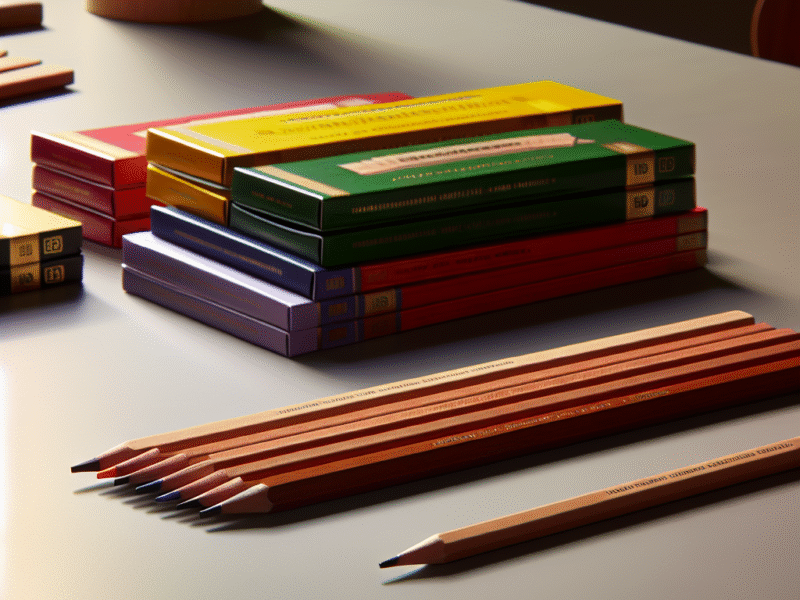
In the world of woodworking and construction, the quality of the final product often hinges on the precision of the initial markings. Whether you’re framing a house, cutting timber, or laying tiles, the accuracy of your lines can make or break a project. That’s why tradespeople have long relied on a specialized tool that may seem unassuming at first glance: the carpenter pencil with flat sides.
This unique pencil design has stood the test of time, offering a range of benefits that go far beyond aesthetics. It’s not just about convenience—there’s engineering behind that flat shape. Understanding why these pencils are built the way they are can help professionals and DIYers alike improve their workflow, accuracy, and efficiency on the job.
Why Shape Matters: The Anatomy of a Carpenter Pencil
Unlike standard round pencils used in classrooms or offices, carpenter pencils are typically rectangular or elliptical in cross-section. This flat-sided design was developed with the real-world needs of carpenters in mind. The shape serves multiple purposes that directly enhance usability in construction environments.
One of the most immediate benefits is that the pencil doesn’t roll. On a sloped roof, scaffold, or uneven floor, a round pencil can easily become a hazard or simply disappear. A flat carpenter pencil stays where it’s placed, reducing the risk of accidents and saving time spent retrieving dropped tools.
Furthermore, the broader surface area of the pencil body provides a more secure grip. This is particularly useful when working in awkward positions—overhead, one-handed, or while wearing gloves. The pencil becomes an extension of the hand, not something that slips out of it.
Carpenter pencils with flat sides: Designed for Stability
According to insights from Oreate AI’s blog, the flat shape of carpenter pencils isn’t just about convenience—it’s about control. When marking on vertical surfaces or inclined planes, a flat pencil offers more stability. This ensures that your lines are accurate, even when you’re working in less-than-ideal conditions.
Additionally, the flat sides make it easier to apply consistent pressure, which is critical when drawing long, straight lines. The pencil doesn’t wobble or shift in the hand, allowing for cleaner, more reliable marks. In environments where precision is paramount, such as cabinetry or finish carpentry, this seemingly small detail makes a significant difference.
Lead That Matches the Job
The core of a carpenter pencil is also engineered differently. The lead is typically stronger and wider than that of a standard pencil, making it more durable on rough surfaces like concrete, wood, or drywall. This durability means fewer breaks and less sharpening, which in turn leads to increased efficiency on the job site.
Carpenter pencils come with various lead hardness levels, from soft (for darker marks) to hard (for finer, longer-lasting lines). This allows users to choose a pencil that matches their specific task, whether it’s rough framing or fine finish work. Some pencils even come with specialty leads, such as red or white, for marking on dark or glossy surfaces.
Improved Line Visibility
Another overlooked advantage of the flat design is the improved visibility of the lines it draws. Because the lead is wider, it creates a bolder line that stands out more clearly, especially on textured or uneven materials. This is particularly helpful when cutting wood or aligning materials, as the line remains visible even in dusty or dim conditions.
Moreover, the shape of the lead can be customized during sharpening. Carpenters often use a utility knife to whittle the pencil into a chisel-like point, allowing for both broad and fine lines depending on how the pencil is held. This versatility is something that round pencils simply can’t offer.
Grip and Ergonomics: Built for Real-World Use
Traditional round pencils may feel fine in an office, but they fall short in a construction setting. The flat-sided carpenter pencil is easier to grip, especially with gloved or calloused hands. It doesn’t require a tight hold to remain stable, reducing hand fatigue during long hours of marking and measuring.
As noted in a StackExchange discussion, many professionals prefer the octagonal or elliptical design because it strikes the right balance between grip and comfort. This ergonomic advantage becomes even more crucial when working in cold or wet conditions, where dexterity is compromised.
Historical Context: A Tool Born from Necessity
Carpenter pencils have been around for centuries, and their design has evolved based on the practical needs of tradespeople. In the early days of construction, tools had to be both durable and multifunctional. The flat pencil emerged as a response to real-world challenges: rolling tools, broken leads, and poor visibility.
Over time, this design became standard in the industry, not because of tradition, but because it works. The continued use of flat carpenter pencils across generations of builders is a testament to their functional superiority. It’s a rare example of a tool whose form is perfectly matched to its function.
Sharpening Techniques: Customizing Your Mark
Unlike mechanical pencils or standard round ones that require a sharpener, carpenter pencils are typically sharpened with a utility knife. This allows users to shape the lead in a way that suits their specific needs. A chisel tip can be used for fine lines, while a flat edge can be used for broader strokes.
| Sharpening Style | Best For | Line Type |
|---|---|---|
| Chisel Tip | Precision marking | Thin or thick (depending on angle) |
| Flat Edge | Bold, visible lines | Wide, consistent |
| Rounded Point | General use | Moderate thickness |
This level of customization is particularly valuable in a trade where every line matters. Whether you’re marking a cut on a 2×4 or outlining a complex joint, the ability to control the shape of your mark can streamline the workflow and reduce mistakes.
Material Matters: Wood, Composite, and Beyond
Most carpenter pencils are made from durable woods like cedar or basswood, chosen for their strength and resistance to splintering. However, modern innovations have introduced composite or plastic-bodied pencils that offer added durability and weather resistance. These are especially useful in outdoor or marine construction environments.
Some premium models even feature refillable leads or built-in sharpeners, combining traditional functionality with modern convenience. While the classic wooden pencil remains a staple, the growing variety of materials and features allows users to choose a tool that fits their specific needs and working conditions.
Applications Beyond Carpentry
While designed with carpenters in mind, these pencils are widely used in other trades as well. Masons, plumbers, electricians, and even artists have adopted the flat pencil for its durability and precision. In particular, muralists and large-scale illustrators appreciate the ability to make bold, visible marks that can be easily modified.
In manufacturing settings, especially in OEM environments, carpenter pencils are often used for marking parts, tracking production batches, or outlining cut zones. The lead’s resistance to smudging and erasure ensures that markings stay intact throughout the process.
Choosing the Right Pencil for the Job
Not all carpenter pencils are created equal. When selecting one, consider the following factors:
- Lead hardness: Softer leads are darker but wear faster; harder leads last longer but may be harder to see.
- Body material: Wood is classic, but composites offer better resistance to moisture and breakage.
- Shape: While flat is standard, some prefer elliptical or octagonal for better grip and comfort.
- Special features: Refillable leads, integrated sharpeners, or magnetic clips can add convenience.
Ultimately, the best pencil is the one that fits your workflow and enhances your precision. It’s a small investment that can have a big impact on your productivity and accuracy.
Final Thoughts: Small Tool, Big Impact
In a toolbox full of high-tech gadgets and power tools, the carpenter pencil with flat sides might seem like a relic. But its enduring presence on job sites around the world is a testament to its practical genius. From improved grip and stability to customizable lead and enhanced visibility, this humble tool embodies the principle that form should follow function.
Understanding the design and benefits of carpenter pencils isn’t just for tool nerds—it’s essential knowledge for anyone serious about their craft. For more insights into tool design and construction best practices, check out this industry article or explore the DIY StackExchange discussion on the topic.
Sometimes, the most essential tools are the ones that quietly do their job, day in and day out—no batteries required.
Related Reading
- Best Large Size Carpenter Pencils: Reviews and Tips
- Custom Thailand OEM Carpenter Pencils for Your Brand
- Bulk Carpenter Pencils Supply for Construction Professionals
- Essential Carpenter Pencils for Construction Teams
- Top Durable Carpenter Pencils for Professionals
- Factory Direct Carpenter Pencils for Bulk Purchase