
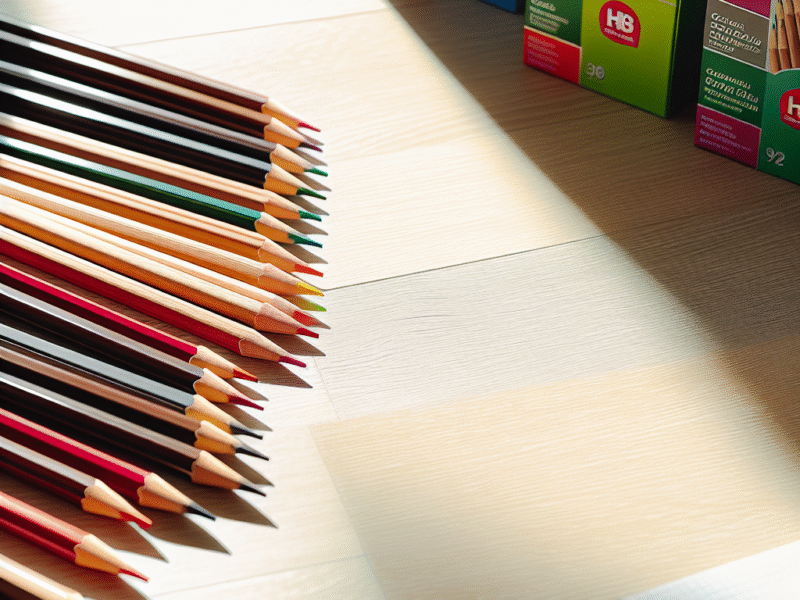
When it comes to children’s creativity and learning, few tools are as foundational as the humble pencil. But not all pencils are created equal—especially when safety is a concern. As awareness grows around the health risks associated with toxic materials, parents and educators are increasingly looking for non-toxic graphite pencils for kids that are both safe and effective. Whether for schoolwork, drawing, or early writing, choosing the right pencil can make a big difference in a child’s development and well-being.
Why Pencil Safety Matters for Children
Children are naturally curious. They chew on things, touch their faces often, and spend hours with their hands on their art supplies. Traditional pencils, while seemingly harmless, can sometimes contain harmful substances—such as lead-based paint coatings, synthetic glues, or chemically treated wood—that pose risks with prolonged exposure.
Graphite itself is non-toxic, but the materials surrounding it—like the pencil casing, lacquer, and erasers—can introduce unwanted chemicals. That’s why truly safe pencils for kids must be manufactured with a holistic approach to non-toxicity, covering every component from tip to tail.
What Makes a Graphite Pencil Non-Toxic?
To be considered non-toxic, a graphite pencil should meet several criteria:
- Certified safety standards: Look for compliance with ASTM D-4236 (U.S.) or EN 71 (Europe), which ensure materials are safe for children.
- Natural wood casings: FSC-certified wood or sustainably sourced cedar is preferred over plastic or chemically treated woods.
- Water-based coatings: Instead of solvent-based paints, eco-friendly pencils use water-based or plant-derived lacquers.
- Latex-free erasers: These reduce the risk of allergic reactions and avoid synthetic rubber compounds with potential toxins.
Manufacturers who prioritize these features typically also emphasize ethical sourcing and environmental responsibility—values that resonate with today’s conscientious consumers.
Top Picks: Safe and Effective Graphite Pencils for Kids
Based on product reviews, material transparency, and safety certifications, here are some of the best options currently available:
| Brand | Key Features | Why It’s Safe |
|---|---|---|
| Lyra Ferby | Thick triangular barrel, break-resistant core | FSC-certified wood, water-based lacquer, EN 71 certified |
| Faber-Castell Jumbo Grip | Ergonomic grip dots, extra thick lead | Non-toxic lacquer, latex-free eraser, PEFC-certified wood |
| Stubby Pencil Studio EcoPencils | Recycled newspaper casing, smooth writing | No wood, no toxic coatings, eco-friendly materials |
| Ticonderoga My First Pencil | Oversized barrel for small hands | PMI certified non-toxic, latex-free eraser, responsibly sourced wood |
| Sprout Pencils | Plantable pencil with seed capsule | Natural materials, no toxic coatings, safe for kids |
Each of these brands takes a unique approach to safety and sustainability, offering parents peace of mind without compromising performance.
Insights from the Industry: What the Research Shows
According to LeafScore’s guide to non-toxic art supplies, safe materials not only protect children’s health but also support environmental stewardship. The article emphasizes that products made with FSC-certified wood, natural clay, and water-based finishes are increasingly in demand as parents prioritize safety and sustainability in their purchasing decisions.
Similarly, the team at Hongzintai highlights the dual importance of safety and functionality. Their review of child-friendly graphite pencils notes that smooth writing, easy sharpening, and durable construction are key features that don’t have to be sacrificed for safety. Brands that meet both performance and health criteria are more likely to earn consumer trust and repeat purchases.
What Schools and Institutions Should Know
Educational institutions are increasingly adopting procurement policies that prioritize non-toxic materials. As noted in Deli World’s article on institutional supply standards, schools have a responsibility to create environments that minimize chemical exposure. This includes everything from cleaning products to everyday classroom supplies like pencils and erasers.
When sourcing in bulk, schools should look for vendors that provide transparency about materials, offer safety certifications, and demonstrate ethical manufacturing practices. These decisions not only protect students but also align with broader sustainability goals.
How to Choose the Right Pencil for Your Child
Here are a few practical tips for selecting the best non-toxic graphite pencil for your child’s needs:
- Age-appropriate size: Younger children benefit from jumbo or triangular pencils that are easier to grip.
- Check for certifications: Look for ASTM D-4236, EN 71, or PEFC/FSC labels to ensure safety and sustainability.
- Avoid strong odors: A chemical smell often indicates synthetic coatings or adhesives.
- Test for smoothness: A good pencil should glide easily on paper without breaking or requiring excess pressure.
Parents should also consider their child’s habits. If your child tends to chew on pencils, safety becomes even more critical. In such cases, plant-based or recycled materials may offer added peace of mind.
Behind the Scenes: How Non-Toxic Pencils Are Made
The manufacturing process for non-toxic graphite pencils involves several key steps that distinguish them from conventional options:
- Graphite core creation: A mixture of graphite and clay is baked at high temperatures to create a strong, smooth-writing core.
- Wood casing: Sustainably sourced wood is cut into slats, grooved, and glued around the graphite. FSC-certified cedar is a popular choice.
- Finishing: Instead of solvent-based paints, manufacturers use water-based or natural wax coatings to seal and color the pencil.
- Eraser attachment: Latex-free erasers are secured with non-toxic adhesives, ensuring safety even if chewed or handled frequently.
OEM (Original Equipment Manufacturer) suppliers that specialize in educational products often work closely with brands to meet global safety standards while maintaining cost-effectiveness. Transparency in the supply chain is becoming a competitive advantage, with many brands now publishing detailed information about their sourcing and production practices.
Environmental Impact: More Than Just Safety
Choosing non-toxic graphite pencils also supports broader environmental goals. Many eco-conscious brands use recycled materials, biodegradable packaging, and energy-efficient production methods. For example, Stubby Pencil Studio’s EcoPencils are made from 100% recycled newspaper, eliminating the need for wood entirely.
In addition, plantable pencils like those from Sprout offer a creative twist—once the pencil is too short to use, it can be planted to grow herbs or flowers. This not only reduces waste but also teaches children about sustainability in a tangible, engaging way.
Final Thoughts: A Safer Future Starts with Smarter Choices
Today’s parents and educators are more informed than ever—and rightly so. With so many options on the market, there’s no reason to settle for pencils that compromise on safety or quality. Whether you’re stocking a classroom, creating an art kit at home, or simply teaching your child to write their first letters, choosing non-toxic graphite pencils for kids is a small but meaningful way to support healthy development and environmental responsibility.
By prioritizing transparency, certifications, and sustainable materials, we can give children the tools they need to create, learn, and grow—safely and confidently.