
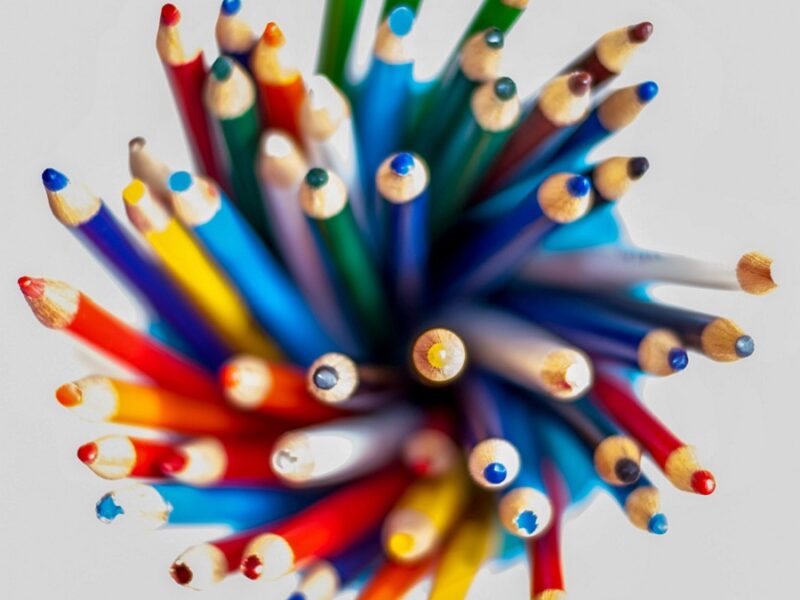
Top Sustainable Materials for Pencil Making
In a world increasingly shaped by environmental awareness, even the most everyday items are being reimagined through the lens of sustainability. The humble pencil—used by schoolchildren, artists, engineers, and writers alike—is no exception. As consumers and manufacturers seek greener alternatives, the materials used in pencil production have come under scrutiny. This article explores the sustainable materials for pencil making, highlighting how traditional and innovative choices are transforming the industry toward a more eco-conscious future.
Why Material Matters in Pencil Manufacturing
Pencils may seem simple, but their components—wood, graphite, adhesives, and coatings—can have a significant environmental impact depending on how they’re sourced and processed. Choosing sustainable materials not only reduces ecological harm but also supports responsible forestry, minimizes waste, and often leads to products that are safer and longer-lasting.
From responsibly harvested cedar to recycled newspaper and bio-based polymers, today’s pencil manufacturers are rethinking their raw materials to align with global sustainability goals. Let’s delve into the most prominent eco-friendly materials used in pencil making today.
1. Cedar Wood: A Classic, Renewable Choice
For centuries, high-quality pencils have been made from sustainable materials for pencil making like cedar wood. Specifically, incense cedar has long been favored for its straight grain, softness, and ease of sharpening. But what makes it sustainable?
- Renewable forestry: When sourced from responsibly managed forests, cedar is a renewable material. Companies like CalCedar emphasize sustainable forestry practices that replant trees and maintain biodiversity.
- Biodegradability: Unlike plastic casings, wood decomposes naturally, reducing long-term waste.
- Low emissions: According to CalCedar’s environmental profile, wood pencils can have a carbon footprint equal to or even lower than plastic or paper-based alternatives, depending on the source and production methods.
While wood remains a staple in traditional pencil manufacturing, its sustainability hinges on responsible sourcing. Certifications like FSC (Forest Stewardship Council) or PEFC (Programme for the Endorsement of Forest Certification) help ensure ethical forestry practices.
2. Graphite: The Eco-Friendly Core
Graphite, the core writing material in most pencils, is naturally occurring and widely available. It’s non-toxic, recyclable, and doesn’t rely on synthetic chemicals for functionality. Most pencil leads today are a mix of graphite and clay, fired at high temperatures to achieve the desired hardness or softness.
Because graphite is mined rather than synthesized, its environmental impact stems more from extraction than from the material itself. However, responsible sourcing and improved mining practices have made it a relatively sustainable choice. Moreover, since graphite pencils don’t contain actual lead (a common misconception), they pose no health risks and are safe for children and artists alike.
3. Recycled Paper: Giving Waste a Second Life
One of the most innovative shifts in pencil manufacturing is the use of recycled paper as a substitute for wood. These pencils are made by tightly rolling layers of old newspapers around a graphite core, then sealing them with eco-friendly adhesives and coatings.
According to Pencil China, this method:
- Reduces deforestation by eliminating the need for virgin wood
- Repurposes paper waste that would otherwise end up in landfills
- Creates a lightweight pencil that performs comparably to traditional wood versions
Recycled paper pencils are especially popular in educational and promotional sectors, where large quantities are needed and environmental messaging is a priority. They also offer a unique aesthetic, often showing text or images from the original paper layers—a subtle reminder of their sustainable origins.
4. Upcycled Wood Waste: Industrial Efficiency Meets Sustainability
Some manufacturers, like Staedtler, have taken sustainability a step further by using upcycled wood scraps from other industries. Instead of harvesting new trees, they repurpose offcuts and wood waste that would otherwise be discarded.
This approach offers several advantages:
- Minimized raw material use: Reduces the need for fresh wood harvesting
- Waste reduction: Diverts wood scraps from landfills
- Lower production costs: By using pre-processed materials, energy and labor inputs can be reduced
Upcycled wood pencils maintain the feel and function of traditional models while significantly improving their environmental profile. This is a strong example of circular economy principles in action—using waste as a resource.
5. Polymers: The New Frontier of Eco-Friendly Casings
For those looking to move beyond natural materials, polymers offer an intriguing alternative. These synthetic materials are engineered to minimize environmental impact through recyclability and reduced energy use during production.
As outlined by Spartex Pen, polymer pencils:
- Use less energy to produce than wood pencils
- Can be made from recycled plastics or biodegradable bio-polymers
- Offer consistent quality and durability
While plastic-based materials are often criticized for their environmental impact, not all polymers are created equal. The key lies in using recycled or bio-based inputs and ensuring the pencils can be recycled after use. When done right, polymer pencils can be part of a sustainable product lifecycle.
6. Eco-Friendly Coatings and Adhesives
Beyond the core materials, the glues and paints used in pencils also matter. Traditional coatings often contain solvents or heavy metals. Today’s sustainable pencils use water-based paints, non-toxic dyes, and biodegradable adhesives to minimize harm to users and the environment.
For example, many eco-conscious brands now avoid lacquer finishes in favor of natural waxes or minimal coatings. These choices reduce VOC emissions during production and ensure safer handling, especially for children.
Comparing Sustainable Pencil Materials
Here’s a quick overview comparing the most common sustainable materials used in pencil making:
| Material | Source | Environmental Benefits | Common Use |
|---|---|---|---|
| Incense Cedar | Renewable forests | Biodegradable, low emissions, FSC-certified | Premium wood pencils |
| Recycled Paper | Post-consumer newspaper | Reduces deforestation, repurposes waste | Educational & promotional pencils |
| Upcycled Wood Scraps | Industrial wood waste | Minimizes waste, no new trees cut | Mass-market sustainable pencils |
| Polymers | Recycled or bio-based plastics | Durable, recyclable, low energy production | Modern and school pencils |
| Graphite | Natural mineral | Non-toxic, recyclable, long-lasting | Core of all standard pencils |
The Role of Manufacturers in Driving Sustainability
While material choice is critical, the broader manufacturing process also plays a role in sustainability. Leading brands are rethinking their operations—from reducing energy consumption to optimizing supply chains and embracing eco-friendly packaging.
For instance, Staedtler uses recycled plastic in its packaging and adheres to strict environmental standards in its factories. CalCedar’s commitment to sustainable forestry has made it a benchmark in the pencil industry. These companies demonstrate that sustainability isn’t just about materials—it’s about holistic responsibility.
What to Look for as a Consumer
When choosing sustainable pencils, consider the following:
- Material transparency: Does the brand disclose what materials are used?
- Certifications: Look for FSC, PEFC, or other eco-labels
- Recyclability: Can the pencil or its packaging be recycled?
- Brand reputation: Does the manufacturer have a track record of environmental responsibility?
By supporting brands that prioritize sustainability, consumers can drive demand for better practices across the industry.
Conclusion: Writing a Greener Future
The evolution of pencil materials is a testament to how even the most familiar tools can be reimagined for a sustainable future. From responsibly harvested cedar to recycled paper and innovative polymers, the options for sustainable materials for pencil making are more diverse and effective than ever.
As environmental awareness grows, so does the responsibility of manufacturers, designers, and consumers to make informed choices. By understanding the materials behind our pencils, we can all contribute to a more thoughtful, less wasteful world—one line at a time.
Related Reading
- Seahorse® Pencil Environmental Impact
- Hong Zin Tai Ethical Manufacturing Practices
- Sustainable Pencil Manufacturing Thailand
- Hong Zin Tai Compliance Certifications
- Pencil Raw Material Sourcing Thailand
- Pencil Manufacturing Craftsmanship Guide
- Trusted Pencil Manufacturer in Thailand
- Thailand Pencil Industry Standards Guide