
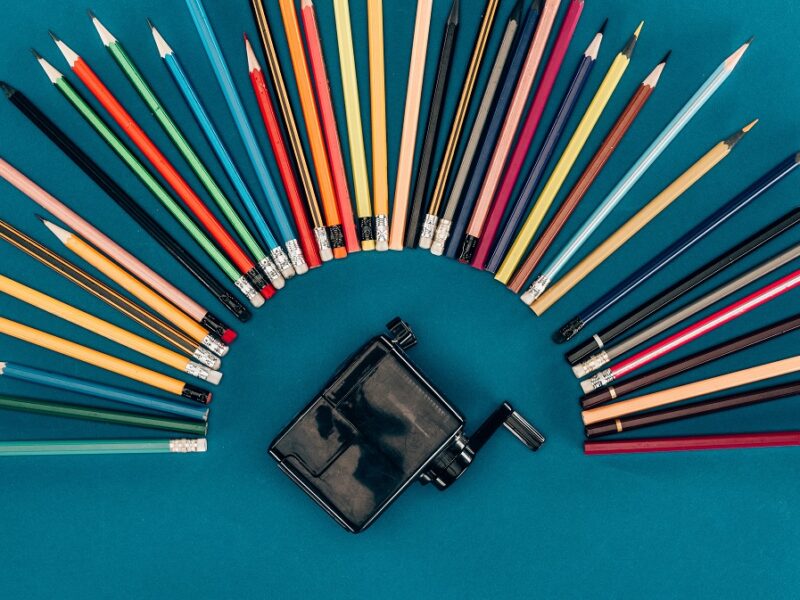
Top Pencil Manufacturing Technology Trends in 2024
Despite the rise of digital tools, pencils remain a staple in education, art, and daily writing. The global market for writing instruments continues to grow steadily, driven by innovation and consumer demand for sustainable, high-quality products. In 2024, the pencil manufacturing industry is undergoing a quiet but powerful transformation. From the adoption of artificial intelligence to the use of biodegradable materials, pencil manufacturing technology trends are reshaping how pencils are made, packaged, and perceived by consumers.
Whether you’re a manufacturer, distributor, or simply curious about the future of this everyday item, understanding these trends is essential. Let’s dive into the key technological developments redefining pencil production in 2024.
Automation: The Backbone of Modern Pencil Production
One of the most significant shifts in pencil manufacturing is the widespread implementation of automation. Automated systems are replacing manual labor in nearly every stage of production — from wood cutting and graphite insertion to painting and packaging. This not only increases production speed but also enhances consistency and reduces waste.
According to CPencils, automation is enabling manufacturers to meet higher quality standards while lowering operational costs. Machines can now detect defects with precision, adjust parameters in real-time, and even perform predictive maintenance to avoid downtime.
In addition, the integration of robotic arms and conveyor systems allows for seamless transitions between production phases. These systems are particularly valuable for OEM pencil manufacturers who need to scale production efficiently without compromising quality.
| Benefit | Impact |
|---|---|
| Increased Production Speed | Faster output meets growing market demand |
| Improved Quality Control | Reduced product defects and enhanced consistency |
| Lower Labor Costs | Minimized reliance on manual processes |
| Predictive Maintenance | Prevents unplanned downtimes and reduces repair costs |
AI-Powered Production: Smarter, Not Just Faster
Automation is only the beginning. In 2024, artificial intelligence (AI) is making its way into pencil production lines, bringing with it the ability to learn, adapt, and optimize. AI systems analyze real-time data from sensors embedded in machinery to detect inefficiencies, predict equipment failures, and suggest improvements.
As reported by Accio, AI is especially useful for predictive maintenance and adaptive learning. For example, if a machine consistently produces pencils with slight length variations, AI can identify the root cause — such as blade wear — and recommend adjustments before it affects an entire batch.
This shift toward intelligent manufacturing helps companies reduce waste, improve yield, and maintain tighter tolerances — all of which are critical in high-volume production environments. AI is also facilitating customization, allowing manufacturers to produce limited runs of specialty pencils with minimal reconfiguration time.
Sustainability: From Raw Materials to Packaging
As environmental concerns grow, sustainability has become a core focus in pencil manufacturing. In 2024, companies are moving beyond traditional wood and exploring alternatives like recycled paper, bamboo, and bioplastics. These materials not only reduce deforestation but also appeal to eco-conscious consumers.
According to Metastat Insight, the U.S. writing instruments market is projected to reach over $3.2 billion by 2025, with eco-friendly products playing a major role in that growth. Consumers are actively seeking sustainable options, and pencil brands are responding by rethinking their entire supply chains.
Here are some of the most impactful sustainability trends in 2024:
- Recycled Materials: Pencils made from recycled newspapers or post-industrial wood waste.
- FSC-Certified Wood: Ensures that the wood used comes from responsibly managed forests.
- Biodegradable Coatings: Replacing synthetic lacquers with plant-based alternatives.
- Non-toxic Inks and Adhesives: Safer for users and the environment.
These changes are not just cosmetic. They represent a fundamental shift in how pencils are designed, sourced, and disposed of — aligning with circular economy principles.
Smart Packaging: The New Frontier
In 2024, packaging is more than just a box — it’s a communication tool, a sustainability statement, and sometimes even a digital interface. Pencil manufacturers are embracing smart packaging technologies to enhance user experience and brand engagement.
CPencils highlights the rise of biodegradable and interactive packaging. Some brands are incorporating QR codes that link to drawing tutorials, product origin stories, or recycling instructions. Others are using augmented reality (AR) to create immersive experiences for users, particularly in the education and art sectors.
Smart packaging also plays a role in logistics, with RFID tags enabling better inventory tracking and anti-counterfeiting measures. As consumers become more tech-savvy, these features are no longer optional — they’re expected.
Digital Twin Technology: Simulating the Production Line
Digital twin technology — virtual replicas of physical manufacturing systems — is gaining traction in pencil factories. These simulations allow engineers to test changes in production without disrupting actual workflows. Whether adjusting drying times for lacquer or optimizing pencil shaping, digital twins offer a risk-free environment for innovation.
This technology is particularly useful for custom pencil projects, where small batch sizes require frequent setup changes. By modeling the process digitally, manufacturers can fine-tune parameters in advance, reducing waste and setup time.
Customization and Short-Run Efficiency
Mass customization is becoming a viable business model thanks to flexible manufacturing technologies. In the past, producing custom pencils — whether for branding, events, or limited-edition art sets — was expensive and time-consuming. Today, modular machinery and digital printing allow for efficient short runs without sacrificing quality.
This trend is especially relevant for private label and OEM pencil producers, who must accommodate diverse client needs. Advanced CNC systems and laser engraving tools make it possible to personalize pencils at scale — a valuable differentiator in a crowded market.
Supply Chain Digitization and Traceability
Behind every pencil is a complex supply chain involving raw material sourcing, transportation, manufacturing, and distribution. In 2024, digital supply chain tools are helping manufacturers gain visibility and control over this process. Blockchain, IoT sensors, and cloud-based platforms enable real-time tracking of materials and shipments.
Traceability is particularly important for sustainability claims. Consumers and retailers increasingly expect proof that a pencil is made from responsibly sourced wood or recycled content. Digital records provide this transparency, building trust and compliance with environmental regulations.
Market Outlook: Growth Despite Digitalization
While tablets and laptops dominate classrooms and offices, the pencil is far from obsolete. The U.S. writing instruments market continues to grow, with a projected CAGR of 4.9% from 2025 to 2032, according to Metastat Insight. This growth is fueled by the pencil’s simplicity, affordability, and eco-friendly potential.
Pencils remain indispensable in art, architecture, education, and even therapeutic settings. As long as these uses persist, innovation in pencil manufacturing will remain relevant — and profitable.
Conclusion: A Sharpened Future for Pencil Manufacturing
The pencil may be a humble tool, but the technology behind its creation is anything but simple. From AI and automation to sustainable sourcing and smart packaging, the pencil manufacturing technology trends of 2024 reflect a broader shift toward efficiency, responsibility, and innovation.
For manufacturers, staying ahead means investing in these technologies and rethinking traditional processes. For consumers, it means more choices, better quality, and a smaller environmental footprint. The future of pencils is not just about graphite and wood — it’s about data, design, and doing more with less.
To explore more about how technology is shaping the pencil industry, visit CPencils or read about machine automation trends on Accio.
Related Reading
- Future of Pencil Manufacturing Thailand
- Pencil Industry Trends Southeast Asia
- Sustainable Pencil Manufacturing Thailand
- Pencil Manufacturing Craftsmanship Guide
- Thailand Pencil Industry Growth Rate
- Thailand Pencil Industry Standards Guide
- Hong Zin Tai Pencil Manufacturing Experience
- Thailand vs China Pencil Manufacturers