
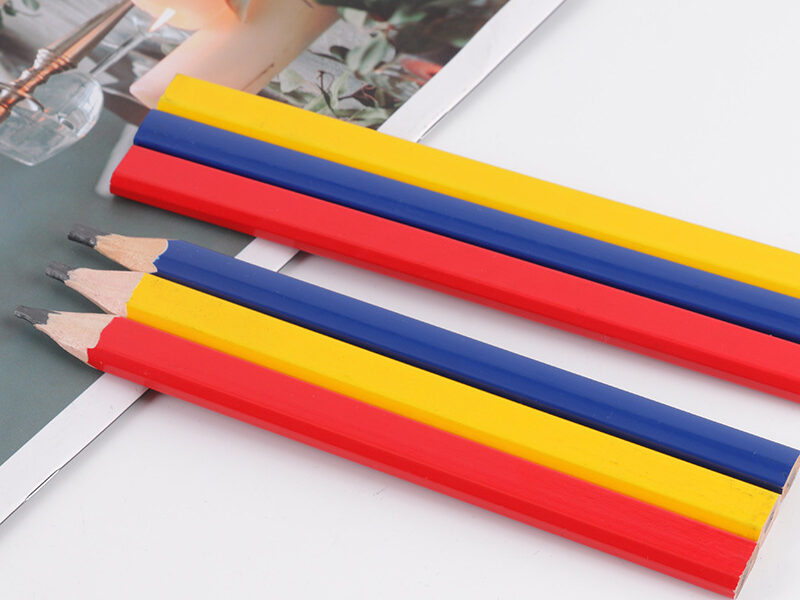
Pencil Industry Trends in Southeast Asia 2024
The pencil may be one of the oldest writing tools in human history, but in Southeast Asia, it’s far from obsolete. In 2024, the region’s pencil industry is undergoing a quiet transformation—driven by a mix of educational growth, sustainability demands, and technological innovation. This evolution is not only keeping pencils relevant in a digital world but also opening new opportunities for manufacturers and suppliers alike.
This article explores the key pencil industry trends in Southeast Asia for 2024, providing insights into market dynamics, consumer preferences, and manufacturing shifts that are shaping the future of this humble yet indispensable tool.
Why the Pencil Still Matters in the Digital Age
It’s easy to assume that smartphones, tablets, and laptops have made traditional writing tools obsolete. Yet, in Southeast Asia, pencils continue to be a staple in schools, offices, and homes. The reason? A combination of cultural, educational, and economic factors that reinforce the pencil’s utility and accessibility.
According to recent market research, the writing instruments sector in Southeast Asia is seeing steady growth, largely due to rising literacy rates and expanding educational infrastructure. As more children enter formal education systems, particularly in emerging economies like Vietnam, Indonesia, and the Philippines, the demand for basic writing tools remains strong.
Unlike pens, pencils are often preferred in early education settings because they allow for erasing and correction—key for learning and creativity. This practical advantage ensures that pencils maintain a strong foothold in classrooms across the region.
Educational Growth Fuels Pencil Demand
One of the most significant drivers of the pencil market in Southeast Asia is the region’s ongoing investment in education. Countries such as Indonesia and Vietnam have made substantial progress in improving access to education, with government initiatives aimed at universal primary education and increased literacy rates.
This expansion has a direct impact on the demand for physical learning materials, including pencils. Educational systems in the region still rely heavily on paper-based instruction, especially in rural and underdeveloped areas where digital infrastructure is limited.
As noted by Grand View Research, this trend supports a stable and growing market for writing instruments. And while digital tools are gaining ground, they are not yet a complete substitute for traditional writing methods in many Southeast Asian classrooms.
Sustainability as a Market Differentiator
Another key trend reshaping the pencil industry in Southeast Asia is the growing emphasis on sustainability. Consumers across the region—particularly younger generations—are becoming more environmentally conscious. This shift in values is influencing purchasing decisions, even for everyday items like pencils.
Manufacturers are responding by adopting more sustainable practices, such as using FSC-certified wood, biodegradable packaging, and non-toxic materials. These eco-friendly initiatives are not just good for the planet—they’re also good for business. Brands that align with environmental values are increasingly preferred by both consumers and institutional buyers, including schools and government agencies.
According to 6Wresearch, the demand for sustainable pencils is particularly strong in urban markets, where awareness of environmental issues tends to be higher. This creates a dual-tier market where eco-conscious products command a premium, while conventional pencils continue to serve price-sensitive segments.
| Feature | Description | Market Impact |
|---|---|---|
| FSC-Certified Wood | Wood sourced from responsibly managed forests | Enhances brand credibility and meets institutional procurement standards |
| Non-Toxic Pigments | Safe dyes and coatings, especially for children | Appeals to parents and educational institutions |
| Recycled Packaging | Use of cardboard and biodegradable wrappers | Reduces environmental footprint and waste |
Technology Enhancing Manufacturing Efficiency
While the pencil itself remains a simple tool, the process of making it has become increasingly sophisticated. Modern manufacturing techniques are helping producers in Southeast Asia improve both the quality and efficiency of their output.
Automation, precision cutting, and quality control systems are now standard in many factories. These advancements allow for consistent production of high-grade pencils that meet international standards—critical for export markets. In addition, digital supply chain management tools enable better forecasting, inventory control, and distribution across the region’s diverse markets.
Technology is also enabling customization at scale. OEM manufacturers can now produce branded pencils for schools, corporations, and promotional campaigns with shorter lead times and lower minimum order quantities. This flexibility is a competitive advantage in a market where personalization is increasingly valued.
Regional Market Snapshots: What’s Driving Growth Country by Country
The Southeast Asian pencil market is not monolithic. Each country presents unique opportunities and challenges. Here’s a closer look at key markets:
- Indonesia: With over 270 million people and a strong push for educational reform, Indonesia represents the largest market in the region. Local manufacturers are expanding capacity to meet growing domestic demand.
- Vietnam: Rapid urbanization and a booming private education sector are increasing demand for high-quality, eco-friendly pencils. Vietnam is also emerging as a low-cost manufacturing hub.
- Philippines: School enrollment remains high, and government procurement programs support steady demand for basic writing tools, including pencils.
- Thailand: While digital tools are gaining ground, traditional writing instruments remain popular in both education and art sectors. Premium pencil brands have a niche market here.
Challenges and Competitive Pressures
Despite positive trends, the pencil industry in Southeast Asia faces its share of challenges. Chief among them is price competition. Low-cost imports, particularly from China, continue to pressure local manufacturers to reduce costs while maintaining quality.
Additionally, the shift toward digital education—accelerated by the COVID-19 pandemic—has led some schools to adopt tablets and e-learning platforms. While this trend is not yet dominant in most of Southeast Asia, it does signal a long-term shift that manufacturers must monitor closely.
To stay competitive, many companies are diversifying their product lines, offering hybrid tools like stylus-pencil combos or expanding into art supplies and specialty writing instruments.
OEM and Private Label Opportunities
For OEM manufacturers, Southeast Asia presents a growing opportunity to serve both local and export markets. The region’s skilled labor force and improving infrastructure make it an attractive alternative to China for pencil production.
Private label partnerships are also on the rise. Stationery brands, retailers, and even educational institutions are increasingly sourcing customized pencils with specific branding, packaging, and eco-certifications. This trend allows OEMs to move up the value chain and build long-term client relationships.
Looking Ahead: What to Expect in 2025 and Beyond
The future of the pencil industry in Southeast Asia looks promising, especially for companies that can balance tradition with innovation. The core demand from education will remain strong, but the real growth will come from aligning with sustainability and leveraging technology to differentiate products.
We can also expect to see more cross-border collaboration in the region, with manufacturers forming alliances to share resources, optimize logistics, and expand market reach. Digital platforms will play a larger role in B2B transactions, making it easier for buyers and suppliers to connect across Southeast Asia’s fragmented markets.
Conclusion: A Resilient Industry in Transition
Despite the rise of digital tools, the pencil remains a vital part of daily life in Southeast Asia. From classrooms to design studios, its simplicity, affordability, and versatility ensure continued relevance. As we move through 2024, the industry’s key players are those who embrace sustainability, invest in technology, and adapt to the nuanced demands of regional markets.
For manufacturers, suppliers, and investors, understanding these pencil industry trends in Southeast Asia isn’t just about staying competitive—it’s about shaping the future of an industry that quietly touches millions of lives every day.