
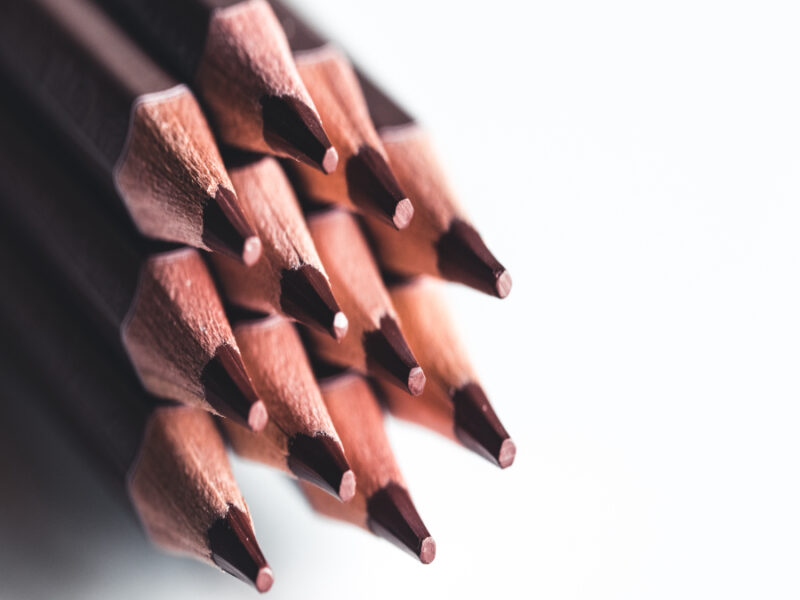
Best Colored Pencils with Sharpener for Artists
For artists, the right tools make all the difference. Whether you’re sketching a vibrant landscape or layering subtle hues in portrait work, a dependable set of colored pencils with sharpener can elevate your creative process. But not all colored pencils—or sharpeners—are created equal. Understanding what makes a colored pencil set great, and how to maintain it, is essential for both amateur and professional artists.
In this guide, we’ll break down what to look for in a high-quality colored pencil set, explore the best sharpening methods to preserve your tools, and recommend top-rated options that come with their own sharpeners. We’ll also touch on the nuances of pencil core composition, manufacturing quality, and the importance of choosing the right sharpener for the job.
Why Sharpness Matters in Artistic Expression
Precision is key in colored pencil art. Whether you’re working on fine details or blending gradients, a sharp pencil tip allows for accuracy and control. A dull tip can muddy your work, especially when layering colors or creating intricate textures. This is why having a reliable sharpener—ideally one designed specifically for colored pencils—is just as important as the pencils themselves.
Colored pencils often have softer cores than graphite pencils, making them more prone to breakage during sharpening. The right sharpener minimizes waste, preserves the integrity of the core, and helps maintain a consistent point for detailed work.
Understanding Colored Pencil Composition
To choose the best colored pencils, it’s important to understand how they’re made. Most artist-grade colored pencils contain a core made of pigment, wax or oil binder, and filler. The ratio and quality of these components affect how smoothly the pencil lays down color, how blendable it is, and how resistant it is to breakage.
| Core Type | Characteristics | Best For |
|---|---|---|
| Wax-based | Soft, smooth application, easy to blend; prone to wax bloom | Layering, blending, vibrant color work |
| Oil-based | Harder core, less breakage, more precise | Detail work, fine lines, long-lasting tips |
| Water-soluble (Aquarelle) | Can be used dry or with water for watercolor effects | Mixed media, watercolor-style illustrations |
Premium brands often use finely milled pigments and high-quality binders to ensure colorfastness and durability. These materials also influence how well the pencils respond to sharpening—an essential consideration when selecting a set with a built-in sharpener.
Choosing the Right Sharpener for Colored Pencils
Sharpening colored pencils isn’t as straightforward as it seems. Standard pencil sharpeners, especially those designed for graphite, can be too aggressive and cause the core to crumble. According to Art is Fun, cosmetic pencil sharpeners—designed for soft eyeliner pencils—can be surprisingly effective for colored pencils. These sharpeners are gentler and better suited for the soft wax or oil cores found in artist-grade pencils.
There are three main types of sharpeners artists use:
- Manual handheld sharpeners: Compact and affordable, but vary widely in quality. Look for models with a sharp, replaceable blade and a large enough hole for thicker pencil barrels.
- Mechanical crank sharpeners: Offer more control and consistent sharpening. Ideal for studio use and frequent sharpening.
- Electric sharpeners: Fast and efficient, but can be too harsh for soft-core pencils unless specifically designed for them.
When a colored pencil set includes a sharpener, it’s often a small handheld model. While convenient, these sharpeners are not always the best quality. If you’re serious about your art, consider investing in a professional-grade sharpener even if your pencil set comes with one.
Top Colored Pencil Sets with Built-In Sharpener
Below are some of the best colored pencil sets that come with sharpeners. These options balance quality, performance, and convenience—making them ideal for artists on the go or those just starting their colored pencil journey.
| Brand | Core Type | Included Sharpener | Best For |
|---|---|---|---|
| Faber-Castell Goldfaber | Oil-based | Yes (handheld) | Detail work, durability |
| Prismacolor Scholar | Wax-based | Yes (compact sharpener) | Student work, blending practice |
| Crayola Colored Pencils | Wax-based | Yes (basic sharpener) | Beginner artists, casual use |
| Arteza Professional | Wax-based | Yes (dual-hole sharpener) | Vibrant coloring, layering |
While these sets include sharpeners, artists should evaluate whether the included tool meets their standards. If not, upgrading to a more robust model is a worthwhile investment.
Tips for Sharpening Colored Pencils Without Breaking Them
One of the most common frustrations among artists is pencil breakage during sharpening. Here are some practical tips to reduce breakage and extend the life of your colored pencils:
- Rotate the pencil, not the sharpener: This provides more control and reduces stress on the core.
- Use a sharp blade: Dull blades crush rather than slice, increasing the chance of breakage.
- Warm cold pencils: If your pencils have been exposed to cold temperatures, gently warm them in your hands before sharpening. Cold cores are more brittle.
- Try a cosmetic sharpener: As mentioned in the Art is Fun guide, cosmetic pencil sharpeners are designed for soft cores and can be a game-changer for colored pencil users.
Manufacturing Quality and Its Impact on Sharpening
Colored pencil performance is deeply tied to manufacturing quality. A well-manufactured pencil has a centered core, consistent diameter, and smooth barrel—all of which affect how the pencil sharpens and performs. Off-center cores are especially problematic, as they lead to uneven sharpening and increased breakage.
OEM manufacturers that supply premium brands use precision machinery to ensure core alignment and barrel symmetry. These practices reduce waste during sharpening and improve the user experience. Artists looking for long-term value should consider pencils from reputable manufacturers with strict quality control standards.
Maintaining Your Tools for Long-Term Use
To get the most from your colored pencils and sharpeners, regular maintenance is key:
- Clean your sharpener: Residue from wax or oil cores can build up and reduce efficiency. Use a small brush to clean out debris.
- Store pencils properly: Keep them in a case or roll to prevent core damage and exposure to extreme temperatures.
- Replace sharpener blades: Over time, blades dull. Some high-end sharpeners allow for blade replacement to maintain performance.
Taking care of your tools not only extends their lifespan but also ensures consistent results in your artwork.
Final Thoughts: Investing in the Right Set
Choosing the best colored pencils with sharpener involves more than picking the brightest colors or the most pieces in a set. It’s about understanding the materials, how they interact with your artistic style, and how to preserve their performance over time. Whether you’re a seasoned illustrator or a hobbyist exploring color for the first time, investing in quality pencils and a compatible sharpener will elevate your creative process.
For further reading on colored pencil techniques and maintenance, explore this sharpening guide or check out Colored Pencil Artist for in-depth tutorials and community insights.
In the end, your tools should work for you—not against you. With the right set of colored pencils and a sharpener designed to treat them right, your art will shine with clarity, depth, and brilliance.