
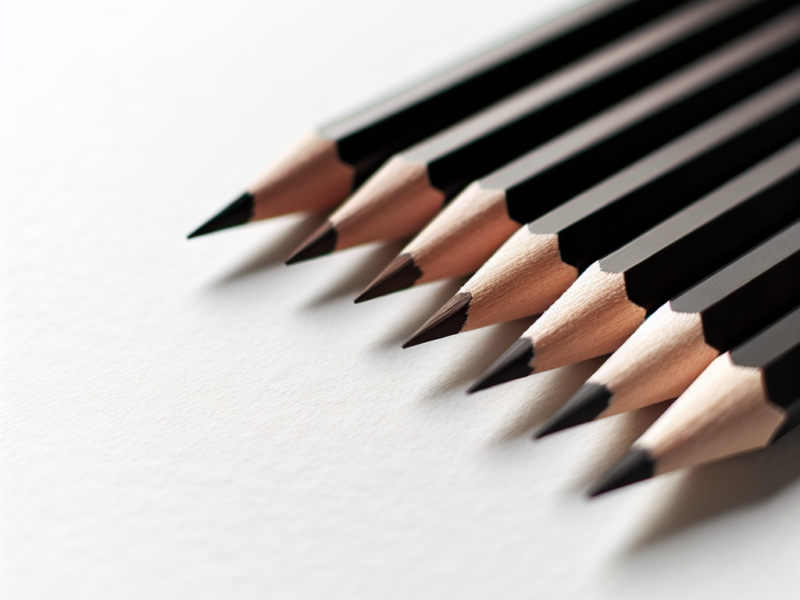
Best Thailand Wooden Pencils for Schools Compared
In an era of digital classrooms and smartboards, one humble tool remains indispensable in education: the wooden pencil. For schools, choosing the right pencil is more than a matter of cost—it’s about durability, comfort, and writing quality. Thailand has emerged as a key player in the global pencil manufacturing industry, offering a range of wooden pencils that balance affordability and performance. In this comprehensive comparison, we evaluate the Thailand wooden pencils best suited for school use, examining key suppliers, materials, and performance metrics to help educators and procurement officers make informed decisions.
Why Wooden Pencils Still Matter in Schools
Despite the surge of digital tools, wooden pencils remain the go-to writing instrument for students worldwide. Their tactile feedback, ease of use, and low cost make them ideal for classrooms—from early learners to high school students. Pencils are also essential for standardized testing, sketching, and learning penmanship. But not all pencils are created equal. The best school pencils must be durable, easy to sharpen, and comfortable for extended writing sessions.
Thailand’s Role in the Global Pencil Industry
Thailand is one of the leading exporters of wooden pencils, thanks to its abundant wood resources, cost-effective labor, and well-established manufacturing infrastructure. Thai pencil manufacturers supply both OEM and branded products to global markets, particularly in Asia, Europe, and the Middle East. Schools looking to source quality pencils at scale often turn to Thai-made options for their balance of quality and affordability.
Key Factors for Evaluating School Pencils
Before diving into specific brands and suppliers, it’s essential to understand the core attributes that define a good school pencil:
- Wood Quality: Premium pencils use Incense-cedar, which sharpens smoothly and resists splintering. Budget options often use Basswood or Poplar.
- Lead Consistency: A smooth, medium-hard graphite core (typically HB or #2) ensures legibility and reduces breakage.
- Ergonomics: Hexagonal or triangular barrels provide better grip and reduce hand fatigue.
- Durability: A bonded core and strong lacquer finish help pencils withstand classroom wear and tear.
- Sharpening Ease: Clean sharpening without splinters is critical for classroom efficiency.
These criteria are echoed in expert reviews, such as the New York Times’ selection of the Golden Bear Blue #2 Pencil as a top performer based on durability, wood quality, and comfort.
Top Thailand Wooden Pencil Brands for Schools
Below is a comparison of leading Thai-made pencil brands commonly used in schools, based on material quality, performance, and availability.
| Brand | Wood Type | Lead Grade | Performance Highlights | Best For |
|---|---|---|---|---|
| Seahorse Pencils | Basswood | HB | Affordable, widely available, decent sharpening | Primary schools, budget-conscious buyers |
| Master Art | Poplar/Basswood blend | HB | Bright lacquer, solid erasers, good for young students | Elementary education, art activities |
| Staedtler Thailand | Incense-cedar (imported) | HB, 2B | Superior smoothness, excellent control, premium feel | High schools, standardized testing |
| OEM Thai Manufacturers | Basswood or Poplar | HB | Custom branding, bulk pricing, export-ready | School districts, education suppliers |
Seahorse Pencils: Ubiquitous and Economical
Seahorse Pencils are perhaps the most recognizable Thai brand in local schools. Manufactured by Seahorse Brand Stationery, they are known for their low cost and wide distribution. Made from Basswood, these pencils are easy to sharpen and come with a standard HB core. While they may lack the refinement of premium pencils, they perform adequately for general classroom use and are ideal for bulk procurement.
Master Art: Colorful and Classroom-Friendly
Master Art pencils are a popular choice for younger students due to their vibrant designs and ergonomic shapes. Often made from a Poplar-Basswood blend, they are a bit softer than other options, which may appeal to early learners. Their built-in erasers are surprisingly effective, and the lacquer finish resists chipping. While not the most precise for detailed writing, they are effective for general use and art-based activities.
Staedtler (Thailand): Premium Performance in a Local Package
Staedtler operates a manufacturing facility in Thailand, producing their globally respected Mars Lumograph and Noris lines. These pencils often use imported Incense-cedar, offering a smoother sharpening experience and superior lead consistency. The JetPens review praises Staedtler pencils for their smooth yet slightly toothy feel, which enhances control during writing. These are ideal for older students, test preparation, and schools that prioritize quality over cost.
OEM Thai Pencil Manufacturers: Custom Solutions for Bulk Buyers
Thailand is home to several OEM pencil manufacturers that produce unbranded or private-label pencils for export. These factories offer customizable options—including barrel shape, lacquer color, eraser type, and packaging—making them ideal for school districts or educational suppliers with specific branding needs. Most OEM pencils use Basswood or Poplar, but some offer premium options with imported cedar. Bulk buyers can benefit from factory-direct pricing and quality assurance programs.
Material Matters: Wood Types and Their Impact
The type of wood used in a pencil significantly affects its performance. According to the Pencils.com buying guide, Incense-cedar is the gold standard due to its fine grain, stability, and resistance to splintering. However, it’s more expensive and often reserved for premium pencils.
In contrast, Basswood and Poplar are more cost-effective and commonly used in Thai-made pencils. While they don’t sharpen as cleanly, modern manufacturing has improved their performance to acceptable levels for school use. For schools balancing budget and quality, Basswood pencils offer a reasonable compromise.
What Makes a Pencil Ideal for School Use?
Based on expert reviews and field experience, here are the top features to look for when selecting wooden pencils for school:
- Break-resistant core: Reduces classroom disruptions and wastage.
- Smooth graphite: Ensures legibility and easy erasing.
- Reliable eraser: Clean erasing without smudging is essential for neat work.
- Consistent sharpening: Prevents frustration and increases lifespan.
- Comfortable grip: Hex or triangular barrels reduce hand fatigue during long sessions.
These attributes are especially important for younger students developing fine motor skills, as well as for standardized testing environments where legibility and endurance matter.
Procurement Tips for Schools and Distributors
If you’re sourcing pencils for a school or educational business, consider the following best practices:
- Request samples: Test pencil quality before committing to a bulk order.
- Check lead bonding: Poorly bonded leads break easily, especially during sharpening.
- Evaluate erasers: Some low-cost pencils have ineffective or smearing erasers.
- Compare MOQs: OEM manufacturers often require minimum order quantities—plan accordingly.
- Ask about certifications: Look for EN71 or ASTM D4236 compliance for safety in school environments.
Conclusion: Choosing the Right Thailand Wooden Pencil for Your School
Thailand offers a diverse range of wooden pencils suitable for educational settings, from economical bulk options to premium writing instruments. For budget-focused schools, brands like Sehorse and Master Art deliver reliable performance at scale. Those seeking superior writing quality should consider Thai-made Staedtler pencils or explore OEM partnerships for customized solutions.
Ultimately, the best pencil for your school depends on your priorities—whether it’s price, performance, or brand identity. By understanding the materials, construction, and supplier landscape, you can make a confident choice that supports students’ learning and writing success.