
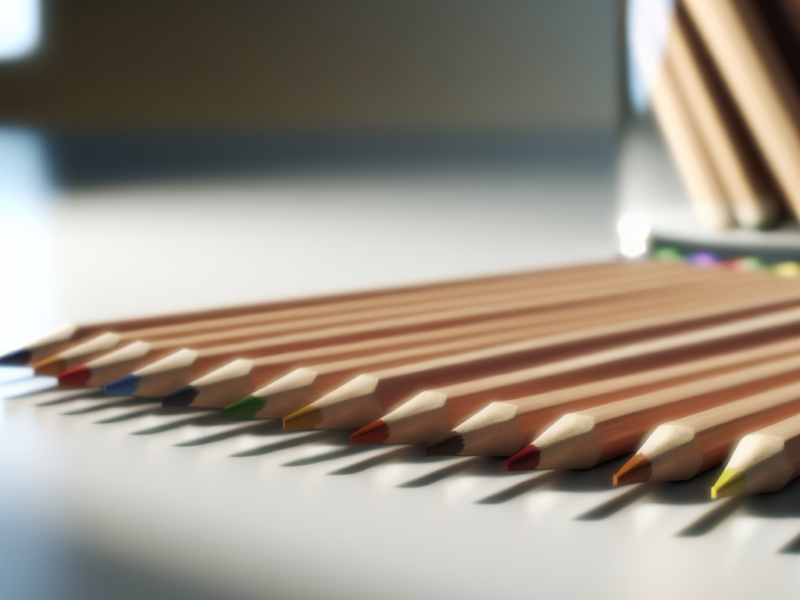
How Colored Pencils Are Made for Art Students
Whether you’re sketching a landscape or layering hues for a portrait, the quality and feel of your colored pencils can shape your entire artistic experience. But how often do we stop to consider what goes into making these essential tools? For art students seeking to understand their materials more deeply, learning how colored pencils are made offers valuable insight into both the science and craftsmanship behind them.
In this detailed guide, we’ll explore the full production process of colored pencils—from core ingredients to final assembly—so you can make more informed choices in your art practice and appreciate the tools in your hand with new depth.
Why Understanding Colored Pencil Manufacturing Matters
Colored pencils are more than just wooden sticks filled with pigment. Their performance—smoothness, blendability, color richness—depends heavily on how they’re made. For art students, this knowledge can help:
- Choose the right pencil for specific techniques (e.g., layering vs. burnishing)
- Understand why some pencils are more expensive than others
- Recognize quality indicators beyond just brand name
Let’s break down the journey from raw material to finished pencil.
1. Selecting the Right Wood: The Pencil’s Backbone
The outer casing of a colored pencil is typically made from softwood, most commonly incense cedar, basswood, or poplar. These woods are chosen for their workability and ability to hold a consistent shape during manufacturing.
Wood slats are first kiln-dried to reduce moisture content, preventing warping. They’re then cut into uniform lengths and grooved to hold the pencil core. Precision here is vital—if the grooves are off, the lead won’t fit correctly, leading to breakage during sharpening or use.
According to Luuk Minkman’s blog, the quality of the wood directly impacts the pencil’s durability and user comfort. Poor-quality casings can splinter or break easily, which is especially frustrating during detailed work.
2. The Heart of the Pencil: Making the Colored Core
The core—or “lead”—is where the magic happens. Despite the name, colored pencil leads contain no graphite or actual lead. Instead, they’re a carefully balanced mixture of pigments, binders, and additives.
| Component | Function |
|---|---|
| Pigments | Provide color; sourced from natural or synthetic materials |
| Binders (e.g., wax or oil) | Hold pigment particles together and allow smooth application |
| Additives (e.g., clay, fats) | Modify texture, hardness, and durability |
As explained in Hongzintai’s guide, the binder type has a major effect on how the pencil behaves. Wax-based pencils tend to be softer and more vibrant, ideal for blending and layering. Oil-based pencils, on the other hand, are firmer and offer more control for detailed work.
To create the core, the ingredients are blended and kneaded into a paste. This mixture is then extruded through a die to form thin, uniform strands of colored lead. These strands are dried slowly to prevent cracking and ensure structural integrity.
3. Assembly: Marrying Wood and Core
Once the wooden slats and colored cores are ready, they’re brought together in a precise assembly process:
- One grooved wooden slat is filled with dried leads in each groove.
- A second slat is glued on top to form a “sandwich.”
- The glued slats are pressed together and left to dry under pressure.
This “pencil sandwich” is then cut into individual pencils using specialized shaping machines. These machines can produce hexagonal, round, or triangular pencils depending on the brand’s design.
At this stage, the pencils are also sanded smooth to remove splinters and prepare them for finishing.
4. Finishing Touches: Lacquering and Branding
After shaping, the pencils are dipped or sprayed with lacquer. This not only improves appearance but also protects the wood from moisture and wear. Multiple coats may be applied, especially for premium pencils that feature glossy or color-matched finishes.
Branding and labeling are typically done with hot stamping or screen printing. This includes the brand name, color code, and sometimes lightfastness ratings—important information for serious art students who want their work to last.
Finally, the pencils are quality-checked, sharpened, and packed into sets for distribution.
5. Variations in Quality: What Sets Premium Pencils Apart?
Not all colored pencils are created equal. The difference between student-grade and artist-grade pencils often comes down to:
- Pigment concentration: Higher pigment content means richer, more vibrant colors
- Binder composition: Premium pencils use refined waxes or oils for smoother application
- Lightfastness: Artist-grade pencils resist fading over time
- Consistency: Better manufacturing control leads to fewer breakages and more reliable performance
Brands like Faber-Castell’s Polychromos or Caran d’Ache’s Luminance lines are examples of oil-based artist-grade pencils known for their archival quality and professional performance.
6. Sustainability in Pencil Manufacturing
Modern manufacturers are increasingly focused on sustainability. Many now source FSC-certified wood, use water-based lacquers, and implement waste-reduction processes in production.
Some brands also offer refillable pencil systems or use recycled materials in packaging. For environmentally conscious art students, these factors can be just as important as performance.
7. Colored Pencil Types: Wax-Based vs. Oil-Based vs. Water-Soluble
Understanding the different types of colored pencils can help art students choose the right tool for their style and medium.
| Type | Binder | Characteristics | Best For |
|---|---|---|---|
| Wax-Based | Wax | Soft, vibrant, easy to blend, prone to wax bloom | Layering, burnishing, expressive work |
| Oil-Based | Oil | Harder, precise, less smudging, longer-lasting tips | Detail work, realism, mixed media |
| Water-Soluble | Gum arabic or similar | Can be used dry or wet like watercolor | Mixed media, washes, experimental techniques |
Each type involves a slightly different manufacturing process, especially water-soluble pencils, which require a binder that dissolves easily in water without compromising dry performance.
8. The Role of OEMs in Colored Pencil Production
Many well-known brands don’t manufacture their own pencils but work with OEM (original equipment manufacturer) partners. These manufacturers produce pencils to the brand’s specifications, allowing for consistency at scale.
OEMs handle everything from raw material sourcing to packaging. For aspiring product designers or art supply entrepreneurs, understanding this supply chain can open doors to creating custom pencil lines or private-label products.
For example, some Chinese OEMs specialize in both student-grade and professional-grade production, offering flexibility in quality and cost. This is a growing segment of the art supply industry worth watching.
Final Thoughts: A Tool Worth Understanding
Colored pencils may seem simple, but their construction is anything but. For art students who want to elevate their craft, understanding how colored pencils are made is a step toward mastering their medium. From pigment chemistry to wood selection, every element contributes to how the pencil performs in your hand.
In the world of art, knowledge is power—and sometimes, it starts with the pencil itself.