
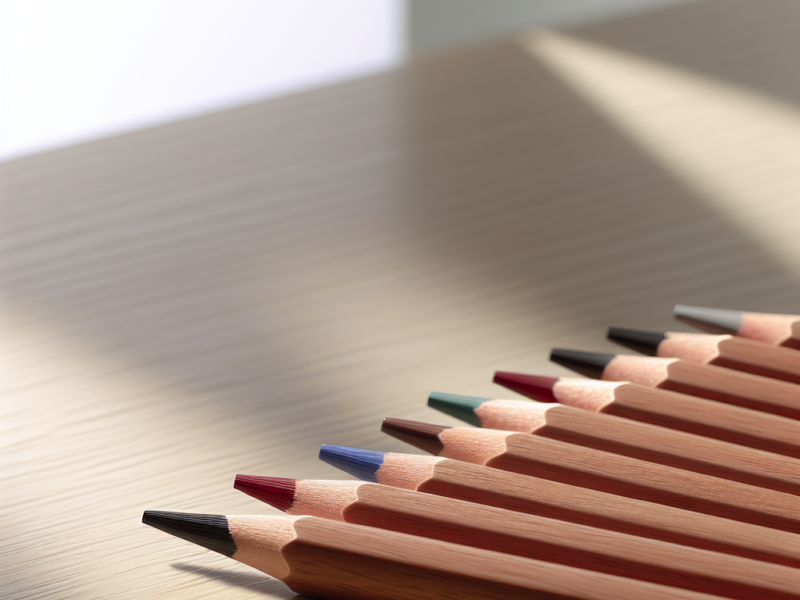
Thailand Colored Pencils Guide for Art Students
Colored pencils are more than just school supplies—they are essential tools for artistic expression, especially for students developing their craft. In Thailand, the colored pencil market has evolved significantly, offering a range of options that cater to both beginners and seasoned art students. This guide explores the materials, manufacturing processes, blending techniques, and safety considerations that every aspiring artist should know when choosing Thailand colored pencils.
Why Colored Pencils Matter for Art Students
For art students, the choice of medium directly influences the outcome of their work. Colored pencils offer a unique balance of control, precision, and color vibrancy. They are portable, clean, and versatile—ideal for sketching, layering, and detailed illustrations. In Thailand, where art education is growing in popularity, colored pencils have become a staple in both academic and extracurricular art programs.
Understanding how colored pencils are made and how they perform helps students make informed decisions about which products to use. Let’s begin with what makes colored pencils different from standard graphite pencils.
Core Composition: Pigment, Wax, or Oil?
The core of a colored pencil is where the magic happens. Unlike graphite pencils, which rely on a mixture of graphite and clay, colored pencils are made from a combination of pigment and a binder—either wax or oil. This composition determines how the pencil feels on paper, how well it blends, and how vibrant the colors appear.
| Feature | Wax-Based | Oil-Based |
|---|---|---|
| Texture | Softer, creamier | Harder, more control |
| Blending | Blends easily with pressure or solvents | Blends with layering, finer detail |
| Bloom (waxy residue) | Yes, may appear over time | No bloom |
| Durability | Prone to breakage | More durable |
As noted in Alabama Art’s comprehensive guide, the binder material plays a significant role in how the pencil behaves on paper. Wax-based pencils offer a smoother application, ideal for vibrant color layering. Oil-based pencils, on the other hand, are better for detailed work and resist wax bloom, a hazy residue that can dull artwork over time.
Manufacturing Colored Pencils in Thailand
Thailand has emerged as a competitive player in the stationery manufacturing sector, including colored pencils. The process of making high-quality colored pencils involves several key stages—each requiring precision and material expertise.
According to Johnshen Stationery, the production of colored pencils involves:
- Wood casing: Typically made from softwoods like pine or basswood, which are easy to sharpen and environmentally sustainable.
- Core extrusion: Pigments are mixed with wax or oil and molded into thin rods, which are then dried and hardened.
- Assembly: The core is inserted into a wooden slat, glued, and then sandwiched with another slat before being shaped into a hexagonal or round pencil.
- Finishing: The pencils are painted, printed with branding, and often coated with lacquer for durability.
Thailand’s manufacturers often focus on eco-friendly practices, such as using FSC-certified wood and non-toxic pigments. This is especially important for art students who may use these materials for long periods.
Key Brands of Thailand Colored Pencils
Several local and international brands produce colored pencils in Thailand, catering to different skill levels and price points. Some notable options include:
- Sakura Color Products: A Japanese brand with manufacturing operations in Thailand, known for its smooth wax-based pencils.
- Master Art: A Thai brand offering affordable colored pencils with decent pigment quality, popular in schools.
- Faber-Castell Thailand: Although a German brand, many of its products for Southeast Asia are manufactured locally, maintaining high standards.
For art students, these brands offer a spectrum of choices—from budget-friendly sets suitable for classroom exercises to professional-grade options for portfolio work.
Blending Techniques and Solvent Use
Blending is a cornerstone technique in colored pencil art. It allows artists to create gradients, shadows, and more realistic textures. In addition to layering and burnishing (applying heavy pressure to blend colors), many artists use solvents to dissolve the binder and smooth out pigment on the page.
As detailed in Pencil Topics’ solvent guide, common solvents include:
- Zest-It: A citrus-based, artist-friendly solvent.
- Odorless Mineral Spirits (OMS): A stronger solvent that works quickly but requires ventilation.
Solvents break down the wax or oil binder, allowing the pigment to spread like watercolor. This technique can elevate a student’s work from flat to painterly. However, safety is critical. Always use solvents in a well-ventilated space and avoid prolonged skin contact.
Choosing the Right Set for Your Needs
When selecting colored pencils, art students should consider several factors:
- Purpose: Are you sketching, creating fine art, or experimenting?
- Lightfastness: Will your work be displayed or archived?
- Blendability: Do you plan to layer or use solvents?
- Budget: Are you buying for class use or long-term projects?
Students often start with mid-range wax-based sets and upgrade to oil-based pencils as they refine their technique. Brands like Prismacolor (wax) and Polychromos (oil) are widely respected, though imported. Thai alternatives like Master Art offer a good starting point for experimentation.
Colored Pencil Safety and Environmental Considerations
Art students often work with colored pencils for hours. While the pencils themselves are generally safe, the use of solvents and the quality of materials can pose risks. Look for pencils labeled as non-toxic and compliant with ASTM D-4236 or EN71 safety standards.
From an environmental standpoint, sustainable wood sourcing and low-VOC (volatile organic compounds) finishes are becoming standard among ethical manufacturers. Thailand’s growing focus on green manufacturing aligns well with these global trends.
Tips for Maintaining and Using Colored Pencils
To get the most out of your colored pencils, consider the following tips:
- Use a sharpener designed for colored pencils to prevent breakage.
- Store pencils horizontally to avoid core shifting or breakage.
- Layer lightly and build up colors gradually for better depth.
- Experiment with paper types—toothier paper holds more pigment layers.
Proper technique and care not only improve your results but also extend the life of your tools—an important consideration for students on a budget.
Conclusion: Building a Strong Foundation with the Right Tools
For art students in Thailand and beyond, colored pencils are more than just a medium—they are a gateway to mastering color, composition, and technique. Understanding the materials, from pigment cores to solvent interactions, empowers students to make smarter choices and achieve better results.
Whether you’re just starting out or refining your skills, investing time in learning about Thailand colored pencils will pay off in the quality and longevity of your work. With the right knowledge and tools, your artistic journey can be as vibrant and precise as the pencils you choose.