
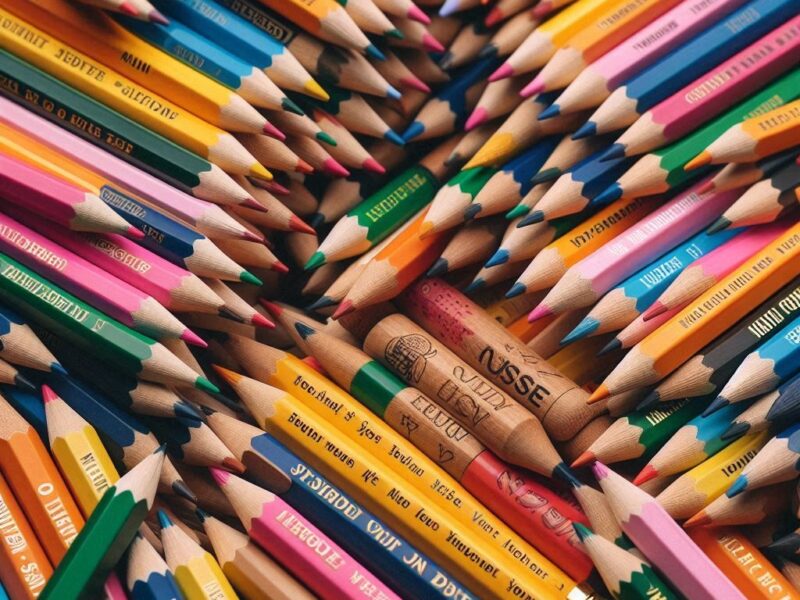
Best Wooden Pencils for Schools Compared
Choosing the right wooden pencils for schools is more than a matter of price—it’s about performance, durability, ergonomics, and long-term value. With students writing for hours each day, the quality of a pencil directly impacts their comfort, handwriting, and even academic performance. This guide compares the top wooden pencil options available today, helping school administrators, teachers, and bulk buyers make informed purchasing decisions.
We’ve analyzed insights from educators, stationery experts, and pencil manufacturers to evaluate the most popular school pencils on the market. Whether you’re outfitting a single classroom or an entire district, this comparison will help you find the perfect balance between cost, quality, and sustainability.
What Makes a Good Pencil for School Use?
Before diving into specific brands, it’s important to understand the core attributes that define a quality school pencil:
- Lead quality: Smooth, break-resistant graphite that writes clearly and erases cleanly.
- Wood type: High-quality woods like incense-cedar sharpen easily and resist splintering.
- Comfort: A round or hexagonal barrel with a grippy finish improves control and reduces hand fatigue.
- Durability: Pencils should withstand frequent sharpening and daily use without breaking.
- Affordability: For schools buying in bulk, cost-effectiveness is critical.
- Eco-friendliness: Sustainable materials and ethical sourcing are increasingly important to school districts.
With these criteria in mind, let’s explore the top contenders.
Top Wooden Pencils for Schools: Brand Comparison
Below is a detailed comparison of leading wooden pencil brands commonly used in schools, based on expert reviews and manufacturing data.
| Pencil Brand | Wood Type | Lead Performance | Price Range | Best For |
|---|---|---|---|---|
| Golden Bear #2 (Blue) | Incense-cedar | Smooth, consistent, minimal breakage | Mid-range | General classroom use |
| Staedtler Mars Lumograph | Premium cedar | Precise, slightly toothy, excellent for handwriting | High | Art & technical writing |
| Ticonderoga #2 | Incense-cedar | Reliable, erasable, good for tests | Mid-range | Standardized testing |
| Amazon Basics #2 | Basswood | Decent for price, softer lead | Budget | Bulk supply on tight budgets |
| Musgrave 600 News | Poplar | Firm lead, good for note-taking | Low | Everyday classroom writing |
Golden Bear #2: Durable and Comfortable for Everyday Use
Praised by Wirecutter as one of the best pencils for schoolwork, the Golden Bear #2 Blue by California-based Palomino stands out for its build quality and writing comfort. Made from genuine incense-cedar, the pencil sharpens cleanly and resists splintering, reducing the risk of injury or waste in the classroom.
The graphite core offers just the right balance of smoothness and firmness, making it ideal for long writing sessions. Teachers often note that students using Golden Bears experience less hand fatigue. Additionally, the finish is non-toxic and the eraser performs well on standard paper, making it a safe and reliable choice for all grade levels.
Staedtler Mars Lumograph: Precision for Advanced Students
While best known in art circles, the Staedtler Mars Lumograph is also an excellent option for schools with advanced writing or drawing needs. Its slightly toothy lead provides more control, which is ideal for students in upper grades learning cursive, drafting, or technical drawing.
This German-made pencil is crafted from premium cedar and comes in a wide range of graphite grades—from 6H to 8B—making it a flexible tool for both academic and creative tasks. While more expensive than standard school pencils, its performance justifies the cost in specialized programs like AP Art or engineering electives.
Ticonderoga #2: The Trusted Standard
Often considered the gold standard in education, the Ticonderoga #2 is a staple in American classrooms. According to WeAreTeachers, this pencil excels in writing clarity and erasing ability—two vital aspects for young learners developing handwriting skills.
Ticonderoga pencils are made from high-quality incense-cedar and feature a latex-free eraser that erases cleanly without smudging. For standardized testing environments, the consistent graphite density ensures accurate scantron readings. Although slightly pricier than generic options, its reliability and familiarity make it a safe bet for K-12 institutions.
Amazon Basics #2: Budget-Friendly Bulk Option
For schools operating on strict budgets, Amazon Basics #2 pencils offer a practical, low-cost solution. These pencils use basswood, a softer and less durable material than cedar, which can result in more frequent sharpening and occasional splintering. However, they deliver decent graphite performance for their price point.
While not ideal for heavy daily use, they are suitable for classroom backups, testing days, or donation drives. Their affordability allows schools to stock up in large quantities without compromising basic functionality.
Musgrave 600 News: American-Made Affordability
Musgrave—an American pencil manufacturer with over a century of history—offers the 600 News pencil as a reliable, budget-conscious choice. As noted by The Gentleman Stationer, Musgrave pencils are a favorite among pencil enthusiasts for their honest build and consistent lead quality.
Made from poplar wood, the 600 News is slightly lighter than incense-cedar models but still holds up well under normal classroom use. Its firm graphite core is great for note-taking and general writing, and the simple design lends itself to customization or school branding.
Understanding Pencil Woods: Why It Matters
One of the most overlooked aspects of pencil quality is the wood used in its construction. According to the Pencils.com Buying Guide, incense-cedar is the industry benchmark for premium pencils. It sharpens evenly, resists splintering, and has a pleasant aroma. In contrast, basswood and poplar are more affordable but tend to dull blades faster and break more easily.
For schools, this means that while cheaper pencils may save money upfront, they often require more frequent replacement and cause frustration for students. Investing in better wood translates to better classroom experiences and reduced waste.
Eco-Friendliness and Sustainability in School Supplies
As educational institutions become more environmentally conscious, the sustainability of school supplies is under scrutiny. Pencils made from FSC-certified wood or recycled materials can help reduce a school’s carbon footprint. Brands like Golden Bear and Ticonderoga have made strides in offering eco-friendly options without compromising quality.
Additionally, choosing longer-lasting pencils reduces overall consumption. A durable pencil that lasts twice as long may be a better investment than a cheaper one that breaks easily and gets discarded prematurely.
Final Recommendations: Best Picks by Use Case
Here’s a quick summary of which pencils are best suited for various school needs:
- Best overall classroom pencil: Golden Bear #2 (Blue)
- Best for testing environments: Ticonderoga #2
- Best for art and technical classes: Staedtler Mars Lumograph
- Best for tight budgets: Amazon Basics #2
- Best American-made value: Musgrave 600 News
Conclusion: Balancing Cost and Classroom Performance
When choosing wooden pencils for schools, the right decision depends on your priorities—whether it’s writing performance, price, durability, or sustainability. Higher-end pencils like the Golden Bear and Staedtler Mars Lumograph offer superior performance and longevity, making them ideal for daily use or specialized programs. Meanwhile, options like Amazon Basics and Musgrave provide dependable functionality at a lower cost.
Ultimately, the best strategy for schools may be a mixed approach: investing in premium pencils for core learning activities while using budget options for backup or supplementary needs. By understanding the nuances of pencil construction and performance, school supply buyers can make smarter, more cost-effective decisions that enhance student learning and satisfaction.