
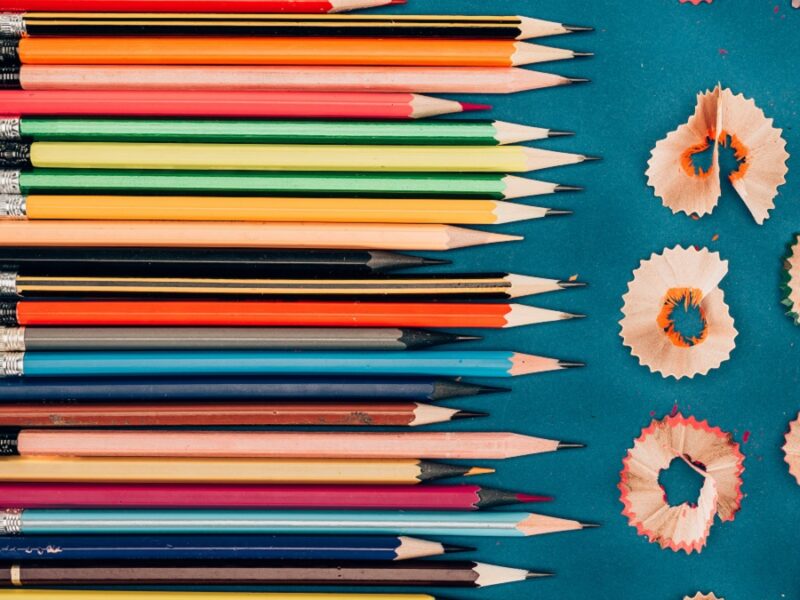
How Colored Pencils Are Made for Art Students
Colored pencils are more than just tools—they are extensions of an artist’s vision. For art students, understanding how these vibrant instruments are made can deepen appreciation for their craft and help in choosing the right materials for different techniques. From the selection of pigments to the final lacquer finish, the making of a colored pencil is a story of precision, chemistry, and craftsmanship. This article unpacks the entire process, spotlighting the materials and methods behind the pencils that bring color to your canvas.
Why Material Knowledge Matters for Art Students
Before diving into the manufacturing process, it’s important to understand why the colored pencils you use matter. For art students, the structure and composition of a pencil directly influence blending, layering, and color intensity. Whether you’re sketching for a portfolio or experimenting with mixed media, the right pencil can elevate your work. Knowing what’s inside the pencil helps you make informed choices for your artistic needs—especially when balancing quality and budget.
Core Composition: The Heart of Every Colored Pencil
The core, or lead, is what defines a colored pencil. Unlike graphite pencils, colored pencils are made from a blend of pigments, binders, and additives. The pigment provides the color, while binders—typically wax or oil—hold the pigment together and influence how the pencil behaves on paper.
According to the Alabama Art Store, wax-based cores are more common and offer a smooth, blendable texture ideal for layering and shading. Oil-based pencils, on the other hand, are firmer and allow for more control and detail, making them popular among advanced users.
Here’s a quick comparison:
| Core Type | Binder | Characteristics | Best For |
|---|---|---|---|
| Wax-based | Wax | Soft, blendable, prone to bloom | Layering, soft textures |
| Oil-based | Oil | Harder, more precise, less bloom | Detail work, realism |
Step-by-Step: How Colored Pencils Are Manufactured
The journey of a colored pencil begins long before it reaches your sketchbook. The production process is meticulous, involving both art and engineering. Let’s break it down.
1. Pigment Selection and Mixing
The process starts with selecting high-quality pigments. These can be organic or inorganic, and their purity determines the vibrancy and lightfastness of the final pencil. Pigments are ground into a fine powder and mixed with the binder and fillers to create a uniform paste. This mixture is crucial—it defines color payoff, texture, and durability.
As explained by John Shen Stationery, the ratio of pigment to binder is carefully calibrated. Too much binder can dull the color, while too little can make the core brittle.
2. Extrusion into Pencil Leads
Once mixed, the paste is extruded through a die to form long, thin strands—these are the pencil cores. They are then dried at controlled temperatures to harden and stabilize the shape. This drying process can vary depending on whether the core is wax- or oil-based, as each requires different handling to maintain integrity and prevent cracking.
3. Wood Casing: Crafting the Pencil Body
The casing of a colored pencil is typically made from softwoods like incense cedar, basswood, or poplar. These woods are chosen for their workability and ability to hold a sharp point. The wood must be seasoned and kiln-dried to prevent warping during production.
According to the Luuk Minkman blog, the wood is cut into slats and grooved to hold the core. A second slat is glued on top, sandwiching the core inside. This sandwich is then pressed and left to cure before being cut into individual pencils.
4. Shaping and Finishing
After curing, the pencils are shaped—typically hexagonal or round—and sanded smooth. The next step is lacquering, where each pencil receives multiple coats of paint or varnish. This not only adds aesthetic appeal but also protects the wood and improves handling.
Some manufacturers also imprint branding, color codes, and other information using foil stamping or laser engraving. The final step is attaching the end cap, which can be dipped in paint or fitted with a color-matching plug.
5. Quality Control and Packaging
Before packaging, each pencil undergoes quality checks for straightness, color consistency, and core centering. Poorly centered cores can break easily during sharpening, a common frustration for art students. Once approved, the pencils are sorted into sets or sold individually, ready for retail or wholesale distribution.
What Makes a Pencil “Student-Grade” vs. “Artist-Grade”?
Not all colored pencils are created equal. Manufacturers often produce two main categories: student-grade and artist-grade. The difference lies in pigment concentration, binder quality, and lightfastness.
- Student-grade: Lower pigment load, more fillers, less expensive. Ideal for practice and early learning.
- Artist-grade: High pigment concentration, superior blending, archival quality. Designed for professional results.
Art students may start with student-grade pencils but should consider upgrading as techniques advance. Brands like Prismacolor (wax-based) and Faber-Castell Polychromos (oil-based) offer excellent artist-grade options.
Environmental and Ethical Considerations
Modern manufacturers are increasingly aware of sustainability. Wood sourcing is a major concern—many companies use FSC-certified wood to ensure responsible forestry practices. Additionally, some brands are moving toward non-toxic pigments and recyclable packaging.
For conscious consumers, checking for certifications and brand transparency can help align your art practice with your values.
Tips for Art Students Choosing Colored Pencils
With so many options on the market, selecting the right set can be overwhelming. Here are a few tips:
- Test the texture: Try sampler sets or open stock pencils before committing to a full range.
- Check lightfast ratings: Especially important if your work will be displayed or sold.
- Consider your style: For bold, expressive work, wax-based pencils may be better. For realism and precision, go with oil-based.
- Look for core strength: Well-centered cores resist breakage and sharpen cleanly.
From Factory to Sketchbook: The Supply Chain
The supply chain of colored pencils involves raw material procurement, manufacturing, quality assurance, and distribution. Many pencils are produced in specialized factories located in Germany, Japan, and China. OEM (original equipment manufacturer) partnerships are common, where a factory produces pencils under various brand names.
Understanding this supply chain can be useful for art students interested in the business side of art supplies or those considering bulk purchases for schools and studios.
Final Thoughts: The Art Behind the Tool
Every colored pencil in your case is the result of thoughtful engineering and artistic intent. From pigment chemistry to wood selection, each component plays a role in shaping your creative experience. For art students, gaining insight into how colored pencils are made isn’t just technical knowledge—it’s a step toward mastering your medium. By choosing your tools wisely and understanding their origins, you empower your artistic journey with both skill and substance.