
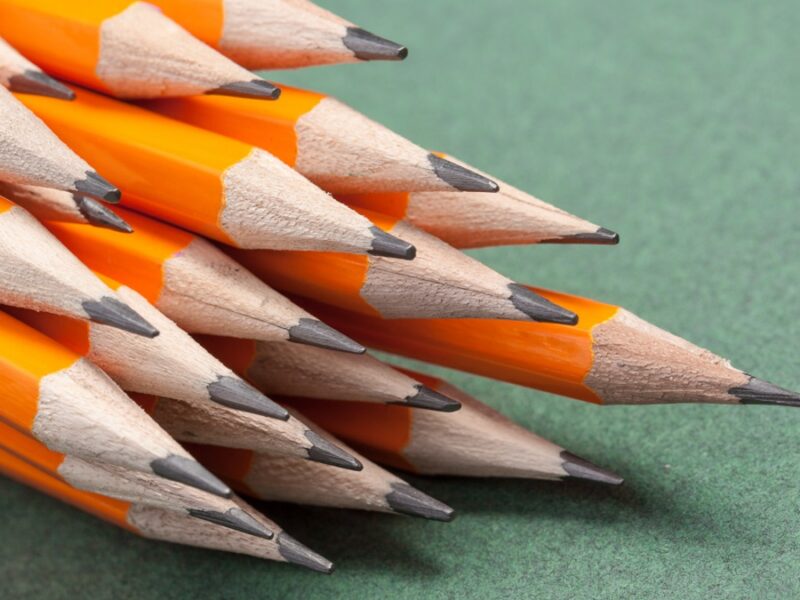
How Colored Pencils Are Made for Art Students
For art students, colored pencils are more than just tools—they’re extensions of expression, precision, and personal style. But behind every smooth stroke of color lies a complex manufacturing process that combines chemistry, craftsmanship, and engineering. Understanding how colored pencils are made not only helps students appreciate their materials but also empowers them to choose the right tools for their creative goals.
Why Colored Pencils Matter in Art Education
Colored pencils offer a unique blend of control, portability, and versatility. Unlike paint or pastels, they allow for detailed work without requiring extensive setup or cleanup. This makes them ideal for sketchbooks, classroom settings, and field studies. But not all colored pencils are created equal. The richness of color, ease of blending, and even how the pencil feels in hand all depend on the materials and methods used in its production.
For art students developing their technique, understanding these differences can be transformative. Choosing between wax-based or oil-based pencils, for example, can dramatically affect the outcome of a layered drawing. Let’s explore how these tools are made—from raw pigment to the final sharpened point.
The Core of the Matter: Pigment and Binder Formulation
At the heart of every colored pencil is its core, commonly referred to as the “lead” (despite containing no actual lead). This core is a carefully engineered mixture of pigment, binder, and fillers. The goal is to create a material that holds vibrant color, adheres to paper, and resists breaking under pressure.
According to PencilChina, the process begins with selecting high-quality pigments. These are the same types of finely ground mineral or synthetic colorants used in paints. The pigment is then combined with binders—substances that hold the pigment particles together and allow them to transfer to paper.
Two common binders dominate the industry:
- Wax-based binders: These are the most common and offer smooth application and easy blending. However, they can lead to a phenomenon known as “wax bloom,” a whitish film that appears on heavily layered areas.
- Oil-based binders: These provide a firmer core and less wax bloom, making them ideal for detailed work. They’re often favored in professional-grade pencils for their durability and layering capability.
Additional ingredients like gum arabic or polyvinyl alcohol may be added to fine-tune texture, drying time, and adhesion. These components ensure the core remains consistent in hardness and color delivery throughout the pencil’s lifespan.
Shaping the Core: Extrusion and Drying
Once the core mixture is prepared, it’s shaped using a process called extrusion. The soft blend of pigment and binder is pushed through a die to form long, thin rods—similar to making spaghetti. These rods are then carefully dried to harden them into solid cores.
This drying process is critical. If the core dries too quickly, it can crack; too slowly, and it may remain brittle or soft. Manufacturers often dry the cores in climate-controlled environments to ensure uniformity. Some companies also bake the cores at low temperatures to further stabilize them.
Consistency here is key. Variations in moisture or binder content can lead to breakage during sharpening or uneven color application—issues that can frustrate even the most skilled art students.
Crafting the Wooden Casing
While the core delivers the color, the wood casing supports it—both literally and ergonomically. The majority of colored pencils use cedar wood, prized for its softness, straight grain, and ability to be sharpened cleanly. Sustainable alternatives like basswood or jelutong are also used, especially in student-grade pencils.
According to Luuk Minkman’s detailed overview, the wood is cut into thin slats, each with grooves precisely milled to hold the cores. After placing the cores into these grooves, a second slat is glued on top, forming what’s known as a “pencil sandwich.”
This sandwich is then pressed and dried until the glue sets. The result is a solid block that can be shaped into round, hexagonal, or triangular pencils, depending on the brand and intended use. The shaping process includes cutting, sanding, and sometimes lacquering the outer surface for aesthetics and grip.
Finishing Touches: Sharpening, Branding, and Quality Control
Once shaped, the pencils are trimmed to length and sharpened to a fine point. This may seem like a simple step, but it requires precision. A poorly aligned core can result in off-center sharpening, making the pencil difficult to use and prone to breakage.
Branding is often done via hot stamping or screen printing, applying the company name, color number, and sometimes the pigment composition. Some high-end pencils also include lightfastness ratings—an important factor for artists concerned with longevity.
Finally, every batch undergoes quality control. This includes visual inspection, breakage tests, and color consistency checks. Some manufacturers even test pencils on paper to ensure smooth application and accurate hue representation.
Wax vs. Oil: What Art Students Should Consider
For art students choosing between wax-based and oil-based colored pencils, it’s important to understand how the manufacturing process affects performance. Wax cores are generally softer, allowing for rich color laydown and easy blending. However, they may wear down quickly and are more prone to smudging.
Oil-based pencils, due to their firmer composition, hold a point longer and allow for finer detail. They’re ideal for techniques like hatching and stippling, where control is paramount. Brands like Faber-Castell Polychromos and Caran d’Ache Luminance are popular among students and professionals for this reason.
The Alabama Art blog emphasizes how these chemical differences influence artistic outcomes. For example, wax-based pencils are better for quick sketches and expressive layering, while oil-based options excel in detailed, archival-quality work.
Environmental and Ethical Considerations
In today’s conscientious art community, the sustainability of materials matters. Students increasingly seek products that align with environmental ethics. This includes pencils made from FSC-certified wood, non-toxic pigments, and recyclable packaging.
Some manufacturers now use reclaimed wood or alternative materials like recycled paper for the casing. Others have reformulated their cores to exclude heavy metals or animal-derived ingredients, making them vegan-friendly and safer for classroom use.
Knowing how colored pencils are made allows students to ask the right questions: Is the wood sustainably sourced? Are the pigments lightfast and non-toxic? Does the brand support ethical labor practices in its supply chain?
Tips for Choosing the Right Colored Pencils
With a better understanding of the materials and processes involved, art students can make informed decisions based on their needs and values. Here are some practical tips:
- For beginners: Start with wax-based pencils that offer good blendability and affordability. Brands like Prismacolor offer soft cores ideal for exploration.
- For detailed work: Choose oil-based pencils with harder cores to maintain sharp tips and precise lines.
- For mixed media: Look for pencils with high pigment load and compatibility with solvents or water (if using watercolor pencils).
- For environmentally conscious artists: Research brands that disclose their sourcing and manufacturing practices.
The Takeaway: Materials Matter
Behind every colored pencil is a story of material science, industrial design, and artistic intention. From the careful blending of pigments and binders to the shaping of wood casings and final quality checks, each step impacts how the pencil performs in the hands of an artist.
For art students, understanding how colored pencils are made isn’t just academic—it’s practical. It teaches them to look beyond packaging and price, to evaluate tools based on composition, function, and sustainability. Armed with this knowledge, students can better match their materials to their creative vision—and ultimately, become more confident and capable artists.