
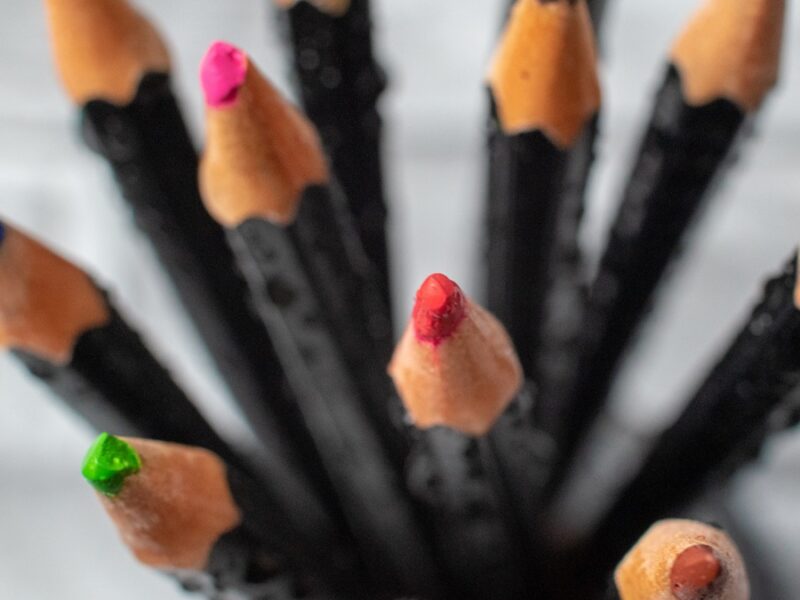
Import Eco-Friendly Pencils from Thailand Distributors
As global demand for sustainable products rises, eco-conscious businesses are turning their attention to Southeast Asia — particularly Thailand — for sourcing environmentally friendly stationery. Among the most sought-after items are eco-friendly pencils, a staple in both educational and corporate settings. With Thailand’s growing reputation for innovative, sustainable manufacturing techniques, importers have a unique opportunity to align profitability with environmental responsibility.
This article dives into the practical considerations and benefits of importing eco-friendly pencils from Thailand distributors. From understanding the materials and production processes to evaluating supplier certifications and branding opportunities, we’ll explore what makes Thailand a compelling hub for green stationery sourcing.
Why Thailand? The Emerging Hub for Sustainable Stationery
Thailand has steadily positioned itself as a leader in sustainable stationery manufacturing. With a mix of traditional craftsmanship and modern eco-conscious technology, Thai pencil producers are addressing the global shift toward greener office and school supplies.
Several factors contribute to Thailand’s appeal:
- Abundant local resources such as rubberwood and recycled paper, reducing the environmental footprint of raw material sourcing.
- Established manufacturing infrastructure that allows for scalability and customization.
- Commitment to sustainability through certifications like FSC (Forest Stewardship Council) and ISO standards.
Thailand’s combination of resource availability and forward-thinking production makes it a strategic choice for importers looking to meet ESG (Environmental, Social, and Governance) goals without compromising on quality or price.
Understanding Eco-Friendly Pencil Materials
One of the key differentiators in Thailand’s eco-pencil production is the use of innovative, sustainable materials. Traditional wood pencils often rely on virgin timber, but Thai manufacturers are exploring alternatives that reduce deforestation and waste.
Common materials used in eco-friendly Thai pencils include:
- Recycled paper: Layers of tightly wound recycled newspaper or cardboard form the pencil body, eliminating the need for wood entirely.
- FSC-certified wood: When wood is used, it often comes from responsibly managed forests, ensuring minimal environmental disruption.
- Biodegradable coatings: Instead of plastic or lacquer finishes, Thai pencils may use plant-based or water-based coatings.
For example, Staedtler’s “Kakikata” pencils — manufactured in Thailand — are made with FSC-certified wood and serve as a benchmark for combining sustainability with global brand standards. Their approach demonstrates how local sourcing and international quality can coexist. Read more about their practices in this case study.
Manufacturing Techniques That Elevate Sustainability
Eco-friendliness isn’t just about the materials — it’s also about how the pencils are made. Thai distributors and OEM manufacturers are adopting advanced techniques that reduce waste, energy consumption, and harmful byproducts.
Notable innovations include:
- Cold-press forming for recycled paper pencils, which minimizes energy usage compared to traditional extrusion methods.
- Water-based adhesives and inks to avoid volatile organic compounds (VOCs).
- Foil stamping and UV printing for branding, allowing for high-end customization without compromising recyclability.
These techniques not only enhance the environmental profile of the pencils but also enable importers to offer premium, branded products to eco-conscious consumers. As highlighted by Hongzintai, branding options such as foil stamping and UV printing can be applied even to recycled paper pencils, helping businesses differentiate their offerings in competitive markets.
Key Considerations When Choosing Thailand Distributors
Importing eco-friendly pencils successfully hinges on selecting the right distributor. Beyond price and lead time, importers should evaluate several critical factors:
- Certifications: Look for FSC, ISO 14001, or other environmental certifications that verify sustainable practices.
- OEM/ODM capabilities: Can the supplier customize designs, packaging, and branding according to your market needs?
- Minimum order quantities (MOQs): Ensure the distributor can meet your volume requirements without excess stock risk.
- Export experience: A seasoned distributor will understand international logistics, customs documentation, and compliance standards.
Thailand’s distributors often cater to both small businesses and large-scale retailers, offering flexibility in order size and product specifications. Some even provide private labeling services, allowing you to build your own brand of sustainable stationery.
Importing Logistics: What You Need to Know
Once you’ve selected a distributor, it’s time to consider the logistics of importing. Thailand’s well-developed shipping infrastructure — including deep-water ports and efficient customs processing — makes it a reliable origin for exports.
Here are a few logistical tips:
- Shipping methods: Air freight is faster but more expensive; sea freight is cost-effective for larger volumes.
- Customs classification: Pencils typically fall under HS Code 960910, but check local tariffs and import duties.
- Packaging compliance: Ensure packaging meets your destination country’s environmental and labeling regulations.
Working with a freight forwarder familiar with Thai exports can streamline the process and help avoid delays or unexpected costs.
Branding and Market Positioning in Western Markets
Eco-friendly pencils are more than just stationery — they’re a statement. Western consumers increasingly seek products that reflect their values, and sustainable branding plays a critical role in purchasing decisions.
Thailand’s manufacturers offer a range of branding options, including:
- Custom logos via foil stamping or UV printing
- Recycled or biodegradable packaging with custom inserts
- Color customization using non-toxic dyes
These features allow importers to create premium eco-friendly product lines that resonate in niche markets such as:
- Corporate gifting
- Educational supplies
- Creative and art-focused retailers
By leveraging Thailand’s OEM capabilities, you can build a brand that not only appeals to sustainability-minded consumers but also delivers consistent quality and aesthetics.
Cost Efficiency Without Compromising Ethics
One of the most compelling reasons to import from Thailand is the ability to balance cost and conscience. While some eco-friendly products command high premiums, Thai-made pencils often offer competitive pricing due to:
- Lower labor and operational costs
- Proximity to raw materials
- Established manufacturing ecosystems
This means importers can offer sustainable products at accessible price points — a key factor in winning over schools, NGOs, and budget-conscious businesses looking to go green.
Red Flags to Watch Out For
While the Thai market is full of legitimate opportunities, due diligence is essential. Watch for these warning signs when vetting suppliers:
- Lack of verifiable certifications or production transparency
- Overly generic product catalogs with no customization options
- Inconsistent communication or unclear export terms
Always request samples, verify business licenses, and — if possible — visit the production facility or hire a local sourcing agent to conduct audits.
Final Thoughts: A Smart Move for Sustainable Businesses
Importing eco-friendly pencils from Thailand distributors is more than a supply chain decision — it’s a strategic investment in sustainability, branding, and market relevance. With access to renewable materials, innovative manufacturing, and customizable branding, Thailand offers importers a rare combination of ethics, efficiency, and elegance.
As businesses worldwide adapt to greener practices, sourcing from Thailand can position your brand at the forefront of the eco-conscious movement — all while maintaining healthy margins and scalable growth potential.
For those ready to take the next step, explore trusted Thai manufacturers like Hongzintai or review case studies of global brands leveraging Thai production, such as Staedtler. With the right partner, your sustainable stationery line is just a shipment away.