
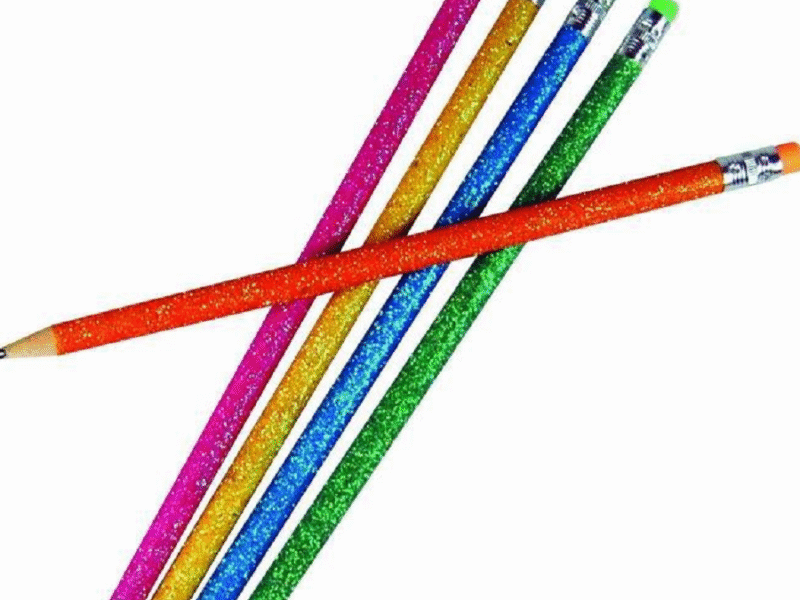
How Colored Pencils Are Made for Art Students
Behind every vibrant stroke of a colored pencil lies a meticulous manufacturing journey. For art students who rely on consistency, blendability, and color accuracy, understanding how colored pencils are made can offer valuable insight into choosing the right tools for their creative process. Whether you’re just starting in art school or refining your technique, knowing what goes into your materials can elevate your work and inform your purchases.
What Makes Colored Pencils Different from Graphite Pencils?
Unlike graphite pencils, which use a mixture of clay and graphite to create a hard writing core, colored pencils are crafted using a blend of pigments and binders. These binders—typically wax, oil, or a hybrid—encapsulate the pigment and determine how the pencil behaves on paper. This core material is then encased in wood, forming the colored pencil we know today.
The core composition is where the magic happens. As explained in Alabama Art’s pencil guide, the choice of pigment and binder affects not just color intensity, but also how well the pencil blends, layers, and resists breakage. These differences are crucial for artists who need precision and control in their medium.
Step-by-Step: How Colored Pencils Are Manufactured
Creating a high-quality colored pencil involves a series of carefully controlled steps, each contributing to the final performance of the tool. Below is a breakdown of the process, from raw materials to finished product.
1. Sourcing and Preparing the Pigments
The journey begins with the pigments—finely ground natural or synthetic colorants that give each pencil its hue. Manufacturers select pigments based on intensity, lightfastness (resistance to fading), and toxicity. For student-grade pencils, cost-effective pigments may be used, while professional lines opt for premium, lightfast alternatives.
These pigments are then mixed with binders. Wax is the most common binder, offering smooth application and easy blending. Oil-based pencils, such as those from Faber-Castell’s Polychromos line, provide a firmer core and more control for detailed work. Some brands use hybrid formulas to balance softness and durability.
2. Mixing and Extruding the Core
Once the pigment and binder are combined into a homogenous paste, the mixture is extruded into long, cylindrical rods—the pencil cores. These rods are then dried and hardened, a process that can take several days depending on the formula.
Consistency is key here. According to Luuk Minkman’s deep dive into pencil manufacturing, the extrusion and drying process must be tightly controlled to prevent air bubbles or inconsistencies that could lead to breakage during sharpening or use.
3. Crafting the Wooden Casing
While the core is being prepared, the wooden casing is also manufactured. Traditionally, incense cedar has been the wood of choice due to its softness, straight grain, and ease of sharpening. However, with sustainability becoming a priority, many manufacturers now use FSC-certified woods or alternative species like basswood and jelutong.
The wood is cut into slats and grooved to accommodate the pencil core. After the core is laid into the groove, a second slat is glued on top, forming a “pencil sandwich.” These sandwiches are then pressed and dried to ensure a secure bond.
4. Shaping and Lacquering
Once the glue has set, the pencils are cut into individual units and shaped—typically hexagonal or round, depending on brand preference. The surface is then sanded smooth and coated with multiple layers of lacquer. This not only enhances the appearance but also protects the wood from moisture and handling wear.
Color coding is often applied to the pencil’s end cap to match the core’s hue, helping artists quickly identify the color they need. Professional brands ensure this cap color is as close as possible to the actual pigment performance on paper.
5. Quality Control and Packaging
Before packaging, each pencil undergoes rigorous quality control. This includes testing for core centering, color consistency, and break resistance. Brands like Faber-Castell are known for their high standards, even incorporating automated checks and manual inspections to ensure every pencil meets expectations.
Once approved, pencils are printed with branding and color codes, then packaged into sets. For art students, these sets often include a range of hues curated for educational use, including primary colors, skin tones, and blending neutrals.
Why the Manufacturing Process Matters for Art Students
Art students often work under tight deadlines and limited budgets. Choosing the right colored pencil can make a significant difference in workflow and final results. Here’s why understanding the manufacturing process is so important:
- Core quality affects how easily a pencil blends and layers. A poorly made core may crumble or fail to deliver consistent color.
- Binder type determines texture. Wax-based pencils are softer and better for blending, while oil-based pencils offer precision and layering control.
- Pigment concentration influences vibrancy. Lower-grade pencils may require more pressure to achieve similar saturation.
- Wood casing impacts sharpening. Low-quality wood can splinter or jam sharpeners, leading to frustration and waste.
By understanding these elements, students can make informed decisions when selecting tools for sketching, color theory exercises, or finished portfolio pieces.
Student vs. Professional Grade: What’s the Difference?
Not all colored pencils are created equal. The distinction between student and professional grade lies primarily in materials and manufacturing precision.
Student-grade pencils use less expensive pigments and binders, which may result in lower lightfastness and less vibrant color. They are ideal for practice, learning techniques, and casual use. Professional-grade pencils, by contrast, offer richer colors, higher pigment load, and better durability—key for artworks that need longevity or gallery presentation.
Brands like Prismacolor offer both ranges, while others like Caran d’Ache and Faber-Castell focus heavily on professional lines. Knowing the difference allows students to invest wisely based on their current needs and aspirations.
Sustainability in Colored Pencil Production
As environmental awareness grows, manufacturers are adapting their practices. Faber-Castell, for instance, uses sustainably sourced wood and non-toxic pigments in their production lines. Their commitment to eco-friendly manufacturing not only benefits the planet but also ensures safety for users, particularly younger or health-conscious artists.
Choosing pencils from brands that prioritize sustainability supports ethical production and aligns with the values many art students hold today. Look for FSC certification and transparency in ingredient sourcing when evaluating options.
Tips for Choosing Colored Pencils as an Art Student
With so many options on the market, selecting the right colored pencils can be overwhelming. Here are a few tips to simplify the process:
- Test before buying: If possible, try samples at art stores to feel the texture and see the pigment.
- Check lightfast ratings: Especially important if you’re working on pieces meant for display or sale.
- Consider your medium: For mixed media, oil-based pencils may perform better. For soft layering, wax-based is ideal.
- Start with a core set: Many brands offer 12–24 color sets perfect for foundational studies and experimentation.
Final Thoughts: The Value of Knowing Your Tools
For art students, colored pencils are more than just supplies—they’re instruments of expression. Understanding how they’re made, from pigment selection to casing construction, empowers students to choose tools that elevate their work and support their artistic growth.
Whether you’re sketching anatomy, illustrating a concept, or building a portfolio, the right colored pencil can make all the difference. And behind every pencil lies a world of craftsmanship, chemistry, and care—now you know what to look for.