
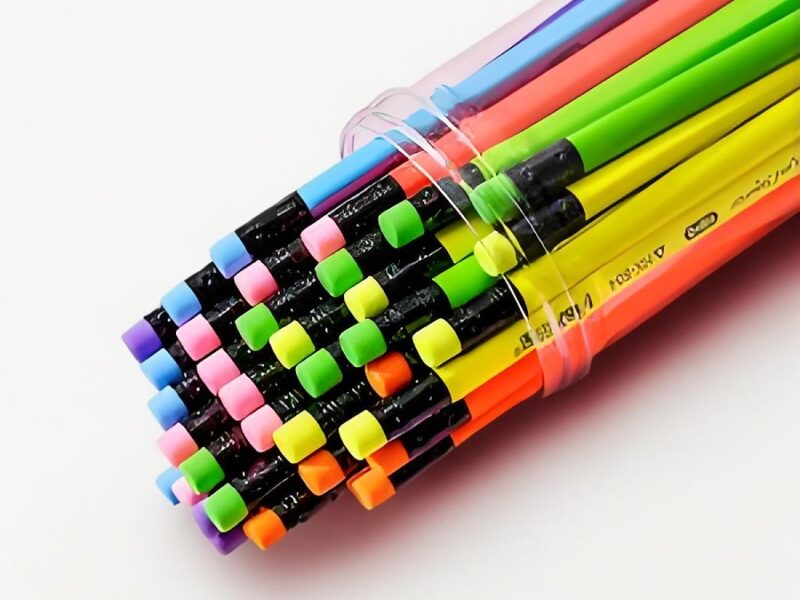
Best Wooden Pencils for Schools Compared and Rated
In classrooms across the world, the humble wooden pencil continues to be an essential tool. Whether it’s for handwriting practice in elementary grades or sketching in high school art class, the quality of a pencil can directly impact a student’s learning experience. But with hundreds of options on the market, how can school administrators and educators choose the best wooden pencils for their needs?
This guide compares and rates the most reliable wooden pencils for schools, focusing on performance, durability, material quality, and overall value. Drawing from expert reviews and manufacturing insights, we help you make informed purchasing decisions that benefit both students and budgets.
Why Wooden Pencils Still Matter in Modern Classrooms
Despite the rise of digital tools, wooden pencils remain a staple in schools. Their tactile nature supports fine motor skill development, and they offer a level of control and simplicity that’s hard to replicate with digital devices. Moreover, pencils are affordable, sustainable, and don’t require batteries or updates—making them ideal for consistent classroom use.
But not all wooden pencils are created equal. The quality of the wood, graphite core, and manufacturing process all influence how well a pencil performs in a real-world educational setting. Let’s explore what makes a wooden pencil ideal for school use.
Key Criteria for School-Grade Wooden Pencils
When evaluating pencils for classroom use, these are the most important factors to consider:
- Graphite Quality: Smooth writing, minimal breakage, and consistent darkness are key.
- Wood Material: High-quality wood sharpens cleanly and resists splintering.
- Durability: Pencils should withstand the wear and tear of daily student use.
- Erasability: Clean erasing is crucial for learning environments.
- Affordability: Schools often buy in bulk, so cost per pencil matters.
With these criteria in mind, we’ve reviewed top-rated options to determine the best wooden pencils for schools.
Top Wooden Pencils for Schools: Compared and Rated
Golden Bear USA Blue #2 Pencil – Best Overall for Writing
Recommended by Wirecutter, the Golden Bear USA Blue #2 Pencil stands out as a top choice for general classroom use. Manufactured by Palomino, this pencil combines a high-quality graphite core with a smooth cedar casing, offering an ideal balance of performance and durability.
Its medium graphite grade (#2 or HB) makes it versatile enough for writing, test-taking, and light sketching. The pencil sharpens cleanly and resists breakage, which is essential in high-use environments like schools. Teachers appreciate its traditional hexagonal shape, which helps prevent rolling and encourages proper grip.
Pros:
- Smooth, dark writing without smudging
- Made from genuine Incense-cedar for easy sharpening
- Durable and affordable in bulk
Cons:
- Not as widely available in local stores as mainstream brands
Best for: Elementary through high school writing tasks.
Staedtler Mars Lumograph – Best for Art and Technical Work
For schools that need pencils suitable for both writing and artistic applications, the Staedtler Mars Lumograph series is a standout. With a full range of graphite hardness—from 8B (very soft) to 6H (very hard)—this pencil line is ideal for art classes, drafting, and any subject that values precision and tonal variation.
The Lumograph pencils are known for their consistent graphite formulation, offering smooth strokes with just the right amount of “tooth” or feedback. This tactile quality helps students develop better control over pressure and line quality, which is vital in both handwriting and drawing.
Pros:
- Wide range of graphite grades for varied classroom needs
- Excellent graphite consistency and smoothness
- High manufacturing standards from a trusted German brand
Cons:
- Higher cost per pencil compared to general-use options
Best for: Middle and high school art programs, technical drawing, and handwriting refinement.
Ticonderoga Yellow #2 – The Classic School Pencil
Often referred to as “the world’s best pencil,” the Dixon Ticonderoga #2 remains a go-to for many school systems. It’s widely available, reasonably priced, and designed specifically for classroom use. The pencil features a latex-free eraser, a smooth graphite core, and a barrel made from responsibly sourced wood.
While it may not offer the same premium feel as the Golden Bear or Staedtler, the Ticonderoga is reliable and familiar—qualities that matter in large-scale school supply procurement.
Pros:
- Widely available and budget-friendly
- Consistent performance for basic writing tasks
- Latex-free eraser is safe for students with allergies
Cons:
- Wood quality and sharpening experience vary by batch
Best for: Elementary classrooms and standardized test environments.
Musgrave Harvest 320 – Best Budget Buy for Bulk Orders
For schools with tight budgets, the Musgrave Harvest 320 offers solid performance at a lower cost. Made in the USA, this pencil features a basswood barrel and a medium-soft graphite core, making it easy to sharpen and suitable for general writing tasks.
While it doesn’t match the premium feel of cedar pencils, the Harvest 320 delivers reliable function at scale—ideal for districts needing thousands of units without compromising too much on quality.
Pros:
- Very affordable for bulk purchasing
- Surprisingly smooth writing for its price point
- Made domestically, supporting U.S. manufacturing
Cons:
- Lower-grade wood can splinter during sharpening
Best for: Large school districts and supply closets.
Understanding Pencil Materials: Why Wood Type Matters
According to Pencils.com, the wood used in a pencil has a significant impact on its durability and user experience. Genuine Incense-cedar is considered the gold standard, offering a smooth sharpening experience and resistance to splintering. This wood is also sustainably harvested, making it a responsible choice for eco-conscious schools.
Budget pencils often use basswood or poplar, which are softer and more prone to uneven sharpening. While these materials can still perform well, they may lead to more frequent pencil breakage and classroom interruptions.
For schools looking to balance cost and quality, choosing pencils with cedar barrels—even if slightly more expensive—can reduce waste and improve student satisfaction over time.
Graphite Grades: What Schools Should Know
Most school pencils use a #2 (HB) grade, which offers a balance between darkness and hardness. However, understanding the full graphite grading scale can help educators choose the right tools for specific tasks:
- H grades (Hard): Produce lighter, finer lines. Ideal for drafting or precise writing.
- B grades (Black): Softer and darker. Great for shading and expressive drawing.
- HB or #2: The middle ground—perfect for everyday writing and test forms.
Art departments may benefit from stocking a variety of grades, while general classrooms can stick with HB pencils for simplicity and standardization.
Making the Right Choice for Your School
Choosing the wooden pencils that best suit your school’s needs involves balancing performance, price, and availability. Here’s a quick summary to help guide your decision:
| Pencil | Best For | Wood Type | Graphite | Price Tier |
|---|---|---|---|---|
| Golden Bear USA Blue #2 | All-purpose writing | Incense-cedar | #2 HB | Mid-range |
| Staedtler Mars Lumograph | Art and technical work | Cedar | 8B–6H | Premium |
| Ticonderoga #2 | Standard classroom use | Mixed hardwoods | #2 HB | Low to mid |
| Musgrave Harvest 320 | Bulk purchasing | Basswood | #2 HB | Low |
Final Thoughts
The best wooden pencils for schools combine quality, comfort, and cost-efficiency. Whether you’re equipping a single classroom or an entire district, investing in well-made pencils can improve the learning experience and reduce waste. Brands like Golden Bear and Staedtler offer superior performance, while options like Musgrave and Ticonderoga meet budget constraints without sacrificing reliability.
By understanding the materials and manufacturing behind each pencil, schools can make smarter purchasing decisions that support both students and teachers alike.