
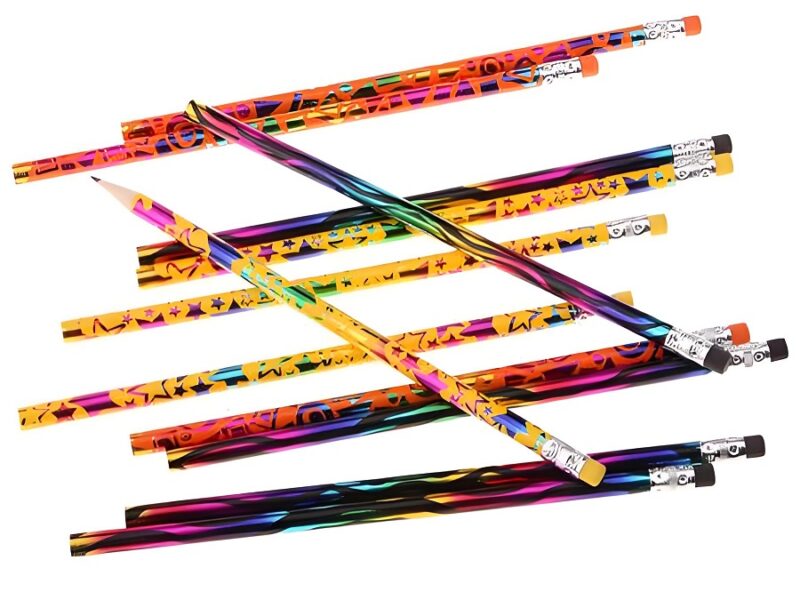
How Colored Pencils Are Made and Why It Matters
Colored pencils are more than just vibrant tools for sketching or shading — they are the result of thoughtful engineering, precise craftsmanship, and careful material selection. For art students, illustrators, and hobbyists, understanding how colored pencils are made can deepen their appreciation for the medium and help them choose the right tools for their creative goals.
In this article, we’ll break down the anatomy of a colored pencil, explore the manufacturing process from pigment to packaging, and explain why these details matter — especially when it comes to performance, sustainability, and artistic expression.
What Sets Colored Pencils Apart from Graphite Pencils?
At first glance, colored and graphite pencils might seem similar — both are slender tools encased in wood. But their cores are fundamentally different. While graphite pencils use a mixture of graphite and clay, colored pencils rely on a blend of pigments, binders, and additives that give them their rich hues and smooth application.
According to Alabama Art’s guide to mark-making tools, the core of a colored pencil is a delicate balance of pigment and binder, often wax- or oil-based. This composition allows for better layering, blending, and color saturation — essential qualities for artists who build depth and texture in their work.
Understanding this difference is crucial for art students who are developing their technique. Colored pencils offer more than just color — they offer control, opacity, and versatility that graphite simply can’t match.
Breaking Down the Core: Pigments and Binders
The heart of any colored pencil is its core, often referred to as the “lead” (though it contains no actual lead). This core is made by mixing finely ground pigments with a binder that holds the pigment together and allows it to transfer to paper.
Common binders include:
- Wax – the most traditional binder, offering smooth application and softness. However, wax-based pencils can suffer from “wax bloom,” a white haze that forms on heavy applications.
- Oil – used in higher-end pencils, oil binders are firmer and resist bloom, allowing for more precise layering and detail.
- Gum arabic or polyvinyl alcohol – water-soluble binders used in watercolor pencils, enabling artists to blend with water after application.
As explained in Pencil China’s overview of colored pencil ingredients, the choice of binder significantly affects how the pencil performs on paper — from how it glides to how it blends with other media. For students experimenting with different styles, binder type is a key factor in choosing the right pencil.
Color Matters: Pigment Quality and Consistency
Not all colored pencils are created equal. The intensity, lightfastness, and consistency of color depend heavily on the quality of the pigment used. Professional-grade pencils typically use higher concentrations of pure pigment, resulting in richer, more durable colors that resist fading over time.
In contrast, student-grade pencils may contain more filler materials, reducing color vibrancy and making blending more difficult. While these are more affordable, they can limit the range of techniques available to developing artists.
As the Luuk Minkman blog highlights, pigment selection is not just about color — it’s about chemistry. Some pigments behave differently when mixed with certain binders, affecting drying time, opacity, and even toxicity. Manufacturers must carefully balance these factors to produce pencils that are safe, effective, and consistent across batches.
The Manufacturing Process: From Powder to Pencil
Creating a colored pencil is a multi-step process that combines art and science. Each stage — from mixing the pigment to shaping the wood casing — must be executed with precision to ensure the final product performs as intended.
Step 1: Mixing the Core Ingredients
The process begins with the careful measurement of pigment, binder, and additives. These are mixed into a uniform paste, which determines the final color and texture of the pencil. Water or solvent is often added to help with mixing and extrusion.
Once blended, the paste is shaped into thin rods — the pencil leads — using an extruder. These rods are then dried under controlled conditions to remove moisture and harden the core. This step is critical; any inconsistency can lead to breakage or uneven color application.
Step 2: Preparing the Wooden Casing
Most colored pencils use softwood casings, typically from sustainable sources like incense cedar, basswood, or pine. The wood must be straight-grained and free of knots to prevent splitting during sharpening.
As described in John Shen Stationery’s manufacturing guide, the wood is cut into slats and grooved to hold the pencil core. After the core is inserted, a second slat is glued on top, forming what’s known as a “pencil sandwich.” This sandwich is then pressed, dried, and cut into individual pencils.
Step 3: Shaping, Painting, and Finishing
Once cut, the pencils are shaped — usually into hexagonal or round barrels — and sanded smooth. They are then coated with multiple layers of lacquer or paint, both for aesthetic appeal and to protect the wood.
Finally, pencils are stamped with branding and color information, and in some cases, dipped in a colored cap that matches the core. This finishing touch helps artists quickly identify their tools during use.
Quality Control and Craftsmanship
Throughout production, manufacturers perform rigorous quality checks. These include:
- Color testing for consistency and vibrancy
- Core centering to prevent breakage during sharpening
- Durability checks for both wood and core
Premium pencil brands often go further, hand-inspecting batches or using proprietary methods to ensure smooth application and minimal breakage. For artists who rely on precision and reliability, these details make all the difference.
Why It Matters: Performance, Sustainability, and Artistic Potential
Understanding how colored pencils are made is not just a curiosity — it’s a practical advantage for art students and professionals alike. Here’s why it matters:
1. Performance and Technique
The materials and methods used in manufacturing directly affect how a pencil behaves on paper. A wax-based pencil might offer buttery blending but struggle with fine details. An oil-based pencil may excel at layering but feel harder to the touch. Knowing these differences helps artists select the right tool for their technique.
2. Longevity and Lightfastness
High-quality pigments resist fading, ensuring that finished artworks remain vibrant for decades. This is especially important for artists selling their work or building portfolios. Many manufacturers offer lightfast ratings — a valuable metric for serious creators.
3. Environmental Responsibility
With growing awareness around sustainability, many pencil brands now source wood from responsibly managed forests or use recycled materials. The use of non-toxic pigments and water-based lacquers also reduces environmental impact. For students and educators, supporting ethical brands aligns with broader values of stewardship and mindfulness.
4. Cost vs. Value
Student-grade pencils are ideal for practice and experimentation, but they often lack the performance needed for advanced techniques. Investing in a few high-quality pencils can elevate an artist’s work, especially in areas like blending, layering, and detail rendering. Understanding how pencils are made helps justify these choices.
Choosing the Right Colored Pencil
There’s no one-size-fits-all pencil. Artists should consider:
- Binder type – wax for softness, oil for control
- Pigment load – more pigment equals richer color
- Lightfastness – essential for archival work
- Wood quality – affects sharpening and durability
Brands like Prismacolor (wax-based), Faber-Castell Polychromos (oil-based), and Caran d’Ache (premium pigments) each offer unique characteristics. Trying a variety can help artists discover what best suits their style and goals.
Final Thoughts: The Pencil as a Precision Tool
Colored pencils may seem simple, but their design is anything but. From pigment chemistry to wood selection, every component plays a role in how the pencil behaves and performs. For art students learning to master their medium, this knowledge is empowering — it transforms the pencil from a basic supply into a precision tool.
Whether you’re sketching in a classroom or illustrating professionally, understanding colored pencils at a material level helps you make smarter choices — for your technique, your budget, and your creative future.
For more insights into pencil materials and artistic tools, explore these additional resources: