
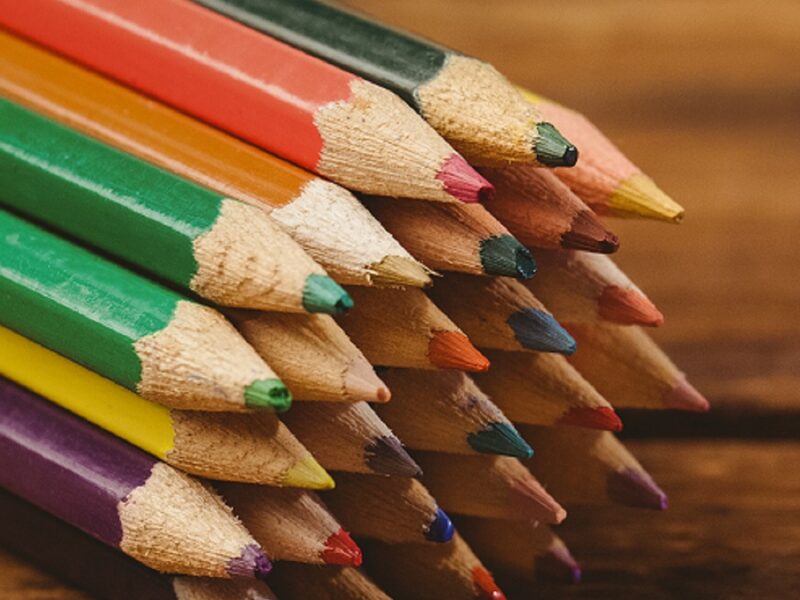
How Colored Pencils Are Made for Art Students
For art students, colored pencils are more than just tools—they’re an extension of creative expression. But have you ever wondered what goes into making these vibrant instruments? The journey from raw pigment to the neatly sharpened pencil in your hand is a fascinating blend of chemistry, craftsmanship, and engineering. Whether you’re studying fine arts or industrial design, understanding how colored pencils are made can deepen your appreciation for the materials you use every day.
Why Colored Pencils Are Different from Graphite Pencils
At first glance, colored pencils and graphite pencils may seem similar—they both have a core encased in wood. But the similarities end there. Graphite pencils use a core made from a mixture of graphite and clay, which produces the familiar grayscale marks. Colored pencils, by contrast, contain a blend of pigments and binders, often with added wax or oil to enable smooth color application.
According to Alabama Art, this difference in core composition is what gives colored pencils their unique ability to layer, blend, and create depth in artwork. The wax or oil base allows the pigment to glide onto paper, making them ideal for techniques like burnishing and color glazing.
The Core of the Pencil: Pigments and Binders
The heart of every colored pencil is its core, and this is where the magic begins. The core is composed of three main ingredients:
- Pigments: These are finely ground color particles sourced from natural or synthetic materials. The quality and concentration of pigment determine the vibrancy and lightfastness of the pencil.
- Binders: These hold the pigment particles together and give the core its structure. Common binders include waxes (like paraffin or beeswax) and oils (such as vegetable oil).
- Additives: Ingredients like clay, fillers, or plasticizers are sometimes included to adjust the hardness, smoothness, or drying time of the core.
In an insightful explanation by Luuk Minkman, the binder plays a crucial role in determining how the pencil performs on paper. Wax-based cores are softer and better for blending, while oil-based ones offer greater control and precision—ideal for detailed work.
Step-by-Step: The Manufacturing Process of Colored Pencils
The production of colored pencils follows a precise and multi-stage process. Each step influences the final quality and functionality of the pencil, especially important for students who rely on consistent performance for their coursework and portfolio development.
1. Mixing the Core Ingredients
The process starts with carefully measuring the pigment and mixing it with the binder. This mixture is kneaded until it forms a smooth, uniform paste. The consistency must be perfect—not too dry to crack, and not too soft to crumble during use.
Binders such as gum arabic or polyvinyl alcohol are often used, as noted in Pencil China. These ingredients ensure that the pigment adheres well and can be shaped into durable cores. The exact formulation is often proprietary, varying by brand and product line.
2. Shaping the Core
Once the paste is ready, it’s extruded through a die to form long, thin rods—the pencil cores. These are then dried slowly to remove moisture and harden the material. This drying stage is critical; improper drying can lead to brittle cores that break easily during sharpening.
3. Preparing the Wood Casing
High-quality colored pencils use softwood, typically cedar, due to its smooth grain and ease of sharpening. The wood is cut into slats, each with grooves to hold the cores. The slats are treated to prevent warping and improve adhesion with the core material.
Each slat is paired with another to form a “pencil sandwich,” with the core in between. The sandwich is glued, pressed, and left to cure. Once the glue sets, the pencils are shaped—usually into round, hexagonal, or triangular profiles—depending on ergonomic and aesthetic preferences.
4. Finishing Touches: Lacquering and Labeling
After shaping, the pencils are polished and coated with lacquer, both for protection and branding. Multiple layers of lacquer may be applied to enhance durability and visual appeal. The ends are often dipped in color to match the core, a helpful feature for quick identification in an art set.
Finally, the pencils are labeled—either stamped or printed—with brand names, color codes, and sometimes lightfastness ratings. The finished pencils are inspected for quality, then packed into boxes ready for distribution.
Material Quality: Why It Matters for Art Students
For students working on detailed illustrations or color theory exercises, the quality of materials can make or break the final result. Cheaply made colored pencils often suffer from weak pigmentation, inconsistent cores, or brittle casings that splinter during sharpening.
Understanding the manufacturing process helps students make informed decisions when choosing their tools. For example, those focusing on layering techniques might prefer wax-based pencils like Prismacolor, while those seeking precision may opt for oil-based brands like Faber-Castell Polychromos.
Blending and Layering: The Role of Core Composition
One of the key advantages of colored pencils is their ability to blend and layer. This is made possible by the binder’s physical properties. Wax-based pencils tend to be more malleable, allowing colors to mix easily on the paper’s surface. However, they may also produce a wax bloom—a whitish film that appears over time.
Oil-based cores, on the other hand, resist wax bloom and allow for sharper lines and more controlled layering. For students practicing realistic rendering or botanical illustration, this subtle difference can have a big impact on technique and results.
Environmental and Ethical Considerations
As sustainability becomes a growing concern in the art world, many manufacturers are reevaluating their sourcing and production methods. FSC-certified wood, non-toxic pigments, and biodegradable packaging are increasingly common in premium pencil lines.
Art students interested in eco-friendly practices should look for brands that disclose their sourcing policies and environmental commitments. Some companies even offer refillable pencil systems or recyclable packaging to reduce waste.
From Factory to Studio: The Supply Chain Behind Colored Pencils
Most colored pencils are manufactured in specialized facilities located in Europe, China, and the United States. Raw materials are sourced globally—pigments from mineral mines, binders from plant resins, and wood from managed forests. The supply chain must be tightly coordinated to ensure consistency in color and performance.
For OEM manufacturers and private labels, the choice of supplier, material grade, and quality control protocols can significantly affect the final product. Brands targeting art students must balance cost-efficiency with performance, ensuring that their pencils meet educational and artistic standards.
Tips for Art Students Choosing Colored Pencils
If you’re building your first serious set of colored pencils, here are a few tips to guide your selection:
- Check the pigment load: Higher pigment content means more vibrant and lasting color.
- Test the blendability: Try layering and blending on different paper types to see how the pencil behaves.
- Look for lightfast ratings: Especially important for portfolio work that may be displayed or archived.
- Invest in a sharpener: A high-quality sharpener prevents core breakage and prolongs pencil life.
Conclusion: Appreciating the Craft Behind the Color
For art students, every stroke of a colored pencil is backed by a complex process of material science and craftsmanship. From the careful selection of pigments and binders to the precision shaping of wood casings, each pencil is engineered to perform under the demands of creative expression.
Understanding how colored pencils are made not only informs your purchasing decisions but also enhances your connection to the medium. The next time you pick up a pencil, take a moment to appreciate the journey it took to get to your sketchbook.
For deeper insights into pencil technology and manufacturing, explore these industry references: